by
by What are Some Populist Policies Examples?
How about Some Examples of Populist Policies?
Populist policies have become a central focus in global political discourse, advocating for the interests of ordinary citizens over elite groups. These policies often emphasize national sovereignty, economic justice, and reducing inequality, aiming to redistribute power from the wealthy and powerful to the broader population. Understanding populist policy examples is crucial for anyone analyzing modern political movements, as they shape debates on economics, governance, and social issues.
From economic nationalism to pro-family measures, populist policy examples cover a broad spectrum of ideas designed to benefit the working class, ensure national control over resources, and advocate for local communities over international influences. For example, economic protectionism and immigration reform are prominent populist policy examples in many nations, aiming to safeguard domestic jobs and culture. Additionally, policies such as universal healthcare or stricter laws for big corporations are seen as responses to the growing wealth inequality that populists argue is destabilizing society.
As countries increasingly experience populist movements, these populist policy examples offer insight into the priorities of voters who feel ignored by traditional elites. These policies challenge conventional wisdom, and understanding their impact is essential for anyone interested in the future of democracy and governance worldwide.
Examples of Populist Policies…
Here is a list of examples of populist policies that are often promoted by populist movements:
-
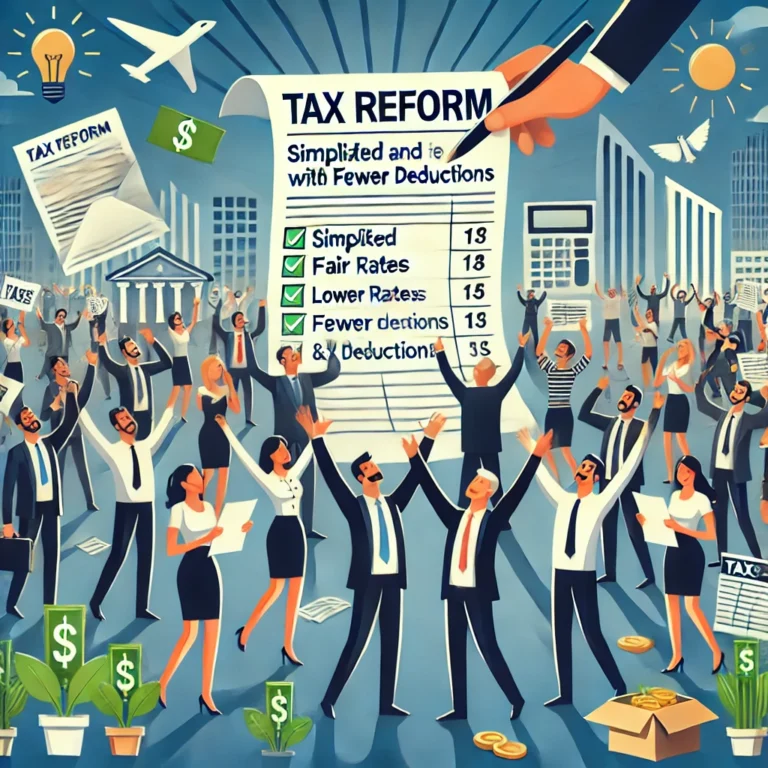
1. Populist Policies Example: Tax Cuts and Deregulation
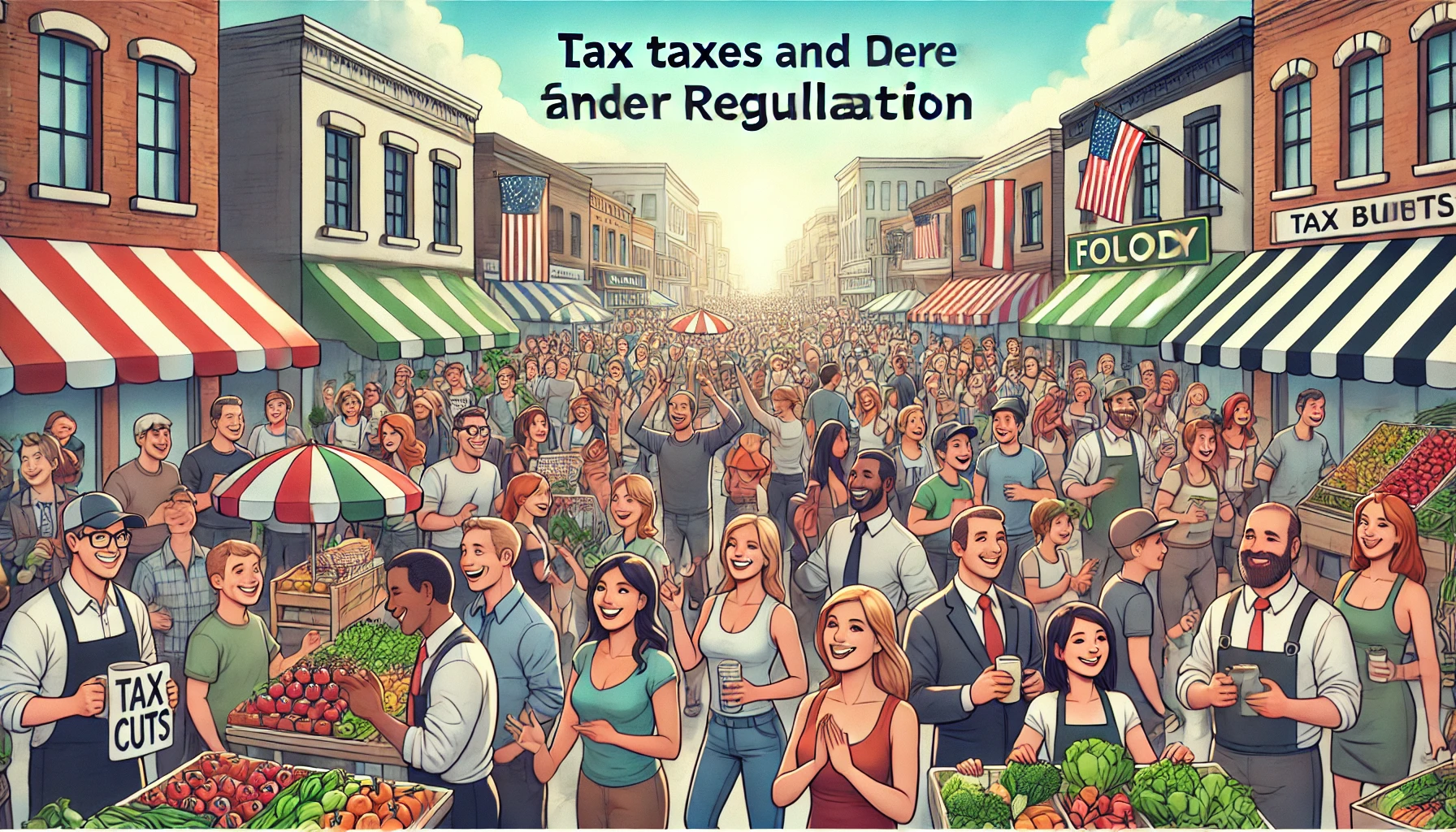
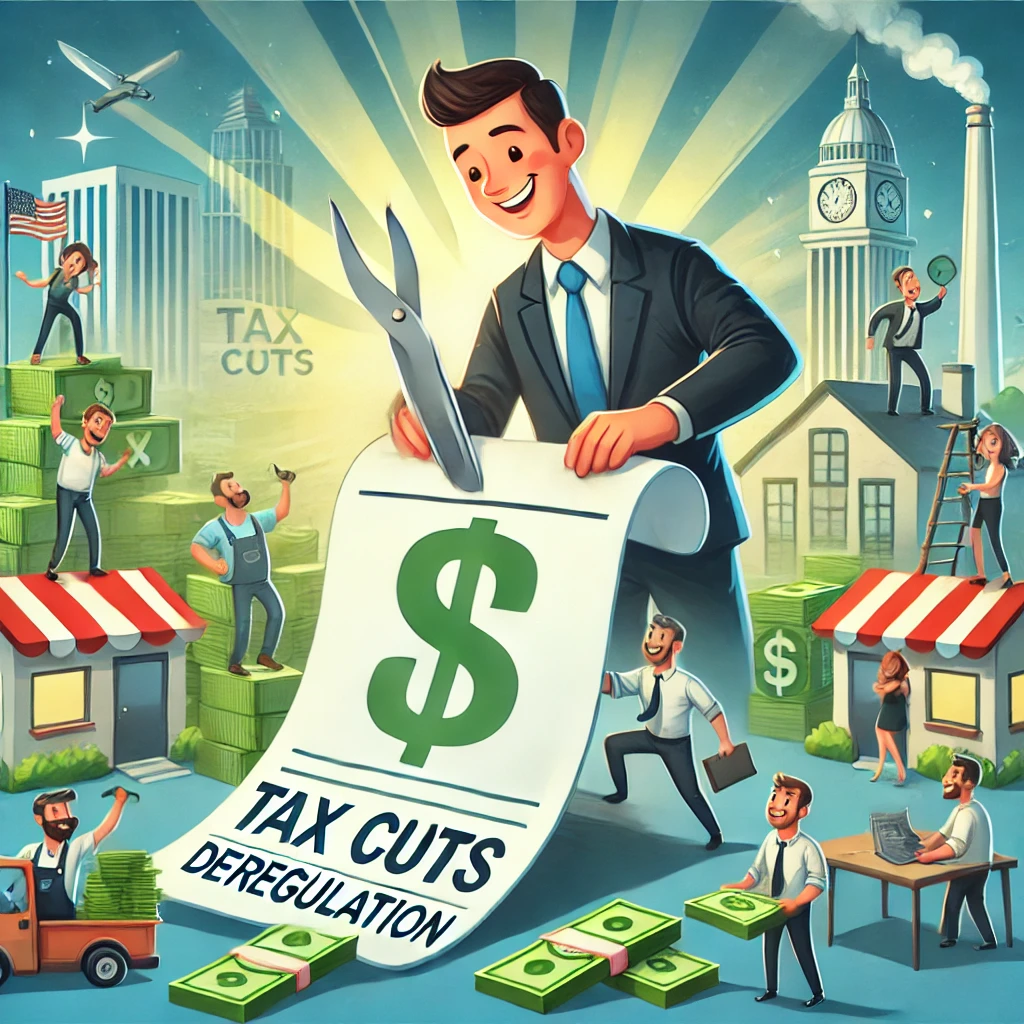
One of the most fundamental populist policies from a libertarian perspective is reducing taxes and cutting back on excessive regulations. The goal is to allow individuals and businesses to thrive without interference from the state. Tax cuts stimulate economic growth by leaving more money in the hands of entrepreneurs and workers, which can be invested in innovation, infrastructure, and job creation.
- Example: The Trump administration’s Tax Cuts and Jobs Act of 2017, which lowered the corporate tax rate to encourage businesses to invest domestically and expand, as well as reducing individual income tax rates.
- Impact: Lower taxes can lead to a more dynamic economy, fostering job creation and higher wages, while also reducing the burden on businesses, allowing them to invest in their employees and operations.
2. Populist Policy: Repeal of Obamacare
A key populist policy for those advocating for a limited government is the repeal of the Affordable Care Act (ACA), also known as Obamacare. Critics argue that government intervention in healthcare has led to rising premiums, limited choices, and unnecessary regulations. A true libertarian populist policy would be to introduce a market-based healthcare system where competition and consumer choice drive down costs and improve quality.
- Example: The push by Republicans to repeal and replace Obamacare during the Trump administration, focusing on reducing federal intervention and promoting healthcare savings accounts and insurance across state lines.
- Impact: A free-market healthcare system would lower prices, improve accessibility, and allow for more innovation within the industry. It would also reduce the burden on taxpayers and encourage competition between healthcare providers to better serve consumers.
3. Populist Policies Example: Education Reform (School Choice and Vouchers)
Libertarian populism supports school choice, where parents can choose the best educational option for their children, whether it’s a public school, charter school, private school, or homeschooling. The government should not control education; instead, individuals should have the freedom to choose how and where their children are educated.
- Example: The expansion of school voucher programs and charter schools, such as those implemented in states like Florida and Arizona, where parents receive taxpayer money to send their children to schools of their choice.
- Impact: School choice increases competition, which drives up quality while allowing parents to make decisions based on the best interests of their children, not based on government-dictated assignments. It also forces underperforming schools to improve or risk losing students.
4. Populist Policy: Ending the War on Drugs
A critical libertarian policy is ending the War on Drugs, which involves decriminalizing drug use and stopping the unnecessary criminalization of people who use substances for personal reasons. Proponents argue that this policy would free up law enforcement resources to focus on more serious crimes, reduce incarceration rates, and allow individuals to make their own choices without government interference.
- Example: The legalization of marijuana in states like Colorado and California, where voters passed initiatives to legalize cannabis for recreational use.
- Impact: Legalization reduces the black market for drugs, increases state revenue through taxation, and allows law enforcement to focus on more pressing matters. It also provides individuals with the freedom to make personal choices without fear of criminal penalties.
5. Populist Policies Example: Immigration Reform and Border Security
Libertarian populists believe in securing the borders to protect national sovereignty while allowing for legal immigration based on economic needs. Immigration reform should prioritize merit-based systems over government-mandated quotas and encourage immigrants who can contribute to the economy.
- Example: Policies such as the Trump administration’s efforts to secure the southern border and reform immigration laws to focus on skills-based immigration, allowing those who can contribute economically to enter the country.
- Impact: A more secure border prevents illegal immigration and promotes national security while allowing for a legal immigration system that benefits both the individuals entering the country and the domestic economy.
6. Populist Policy: Deregulation of the Energy Industry
Another significant populist and limited-government policy is the deregulation of the energy sector. This allows energy companies to operate more efficiently by reducing government-imposed constraints and encourages innovation in clean energy technology, all while making energy prices more affordable for consumers.
- Example: The deregulation efforts in the U.S. during the Trump administration, including rolling back environmental regulations that hindered oil and gas exploration, and the push for increased energy independence.
- Impact: Lower energy prices benefit consumers and businesses, promoting economic growth. Deregulation also encourages the development of new energy technologies without the hindrance of bureaucratic red tape, creating jobs and reducing reliance on foreign energy sources.
7. Populist Policies Example: National Sovereignty and Non-Interventionism
Libertarian populists support a foreign policy that prioritizes national sovereignty, avoids unnecessary military intervention, and focuses on diplomacy and peaceful relations. Rather than engaging in costly wars abroad, populists argue that the U.S. should focus on defending its borders and economy.
- Example: The U.S. withdrawal from the Paris Climate Agreement and the reduction in U.S. military involvement in the Middle East under the Trump administration.
- Impact: By focusing on diplomacy and reducing military intervention, the U.S. can save money, focus on domestic issues, and avoid becoming entangled in foreign conflicts that do not directly serve national interests.
8. Populist Policy: Limiting Government Surveillance
A populist policy under a limited-government perspective is to curtail government surveillance programs and protect citizens’ privacy rights. This includes limiting the reach of programs such as the NSA’s mass data collection and ensuring that personal freedoms are respected.
- Example: The USA Freedom Act of 2015, which sought to end the bulk collection of phone records by the National Security Agency and limit government surveillance of citizens without due process.
- Impact: These measures protect individual privacy, ensuring that citizens are not unjustly surveilled by the government. This aligns with the libertarian principle of limited government intervention in private affairs.
9. Populist Policies Example: Ending Corporate Welfare
Populist policies include ending corporate welfare, which involves reducing or eliminating government subsidies and special tax breaks for large corporations. Instead, the focus is on creating a fair playing field where businesses must succeed based on merit, not government handouts.
- Example: The elimination of subsidies for industries such as fossil fuels, agriculture, and defense, and the shift towards policies that encourage competition without relying on taxpayer money.
- Impact: Ending corporate welfare ensures that businesses compete fairly and do not rely on taxpayer money to thrive. This reduces the burden on taxpayers and allows for more efficient allocation of resources within the economy.
10. Populist Policy: Fiscal Responsibility and Balanced Budgets
Populist advocates for fiscal responsibility believe in reducing government spending, eliminating waste, and balancing the national budget. This involves cutting unnecessary programs and ensuring that government expenditures do not exceed revenues.
- Example: Efforts such as the proposed federal budget cuts by the Trump administration, aiming to reduce the deficit by cutting spending and focusing on national priorities.
- Impact: A balanced budget helps to reduce national debt, ensures that taxpayers’ money is spent responsibly, and reduces the long-term financial burden on future generations.
Other Examples of Populist Policies
- Economic Nationalism
- Advocating for tariffs, trade barriers, and protectionist policies to protect domestic industries from foreign competition.
- Promoting the idea of “buying local” and encouraging self-sufficiency in key industries.
- Opposition to Elites and Establishments
- Reducing the influence of the political and economic elites in government and society.
- Proposals for limiting lobbying and campaign finance reform to reduce the power of corporations and wealthy individuals.
- Devolution of Power to Local Governments
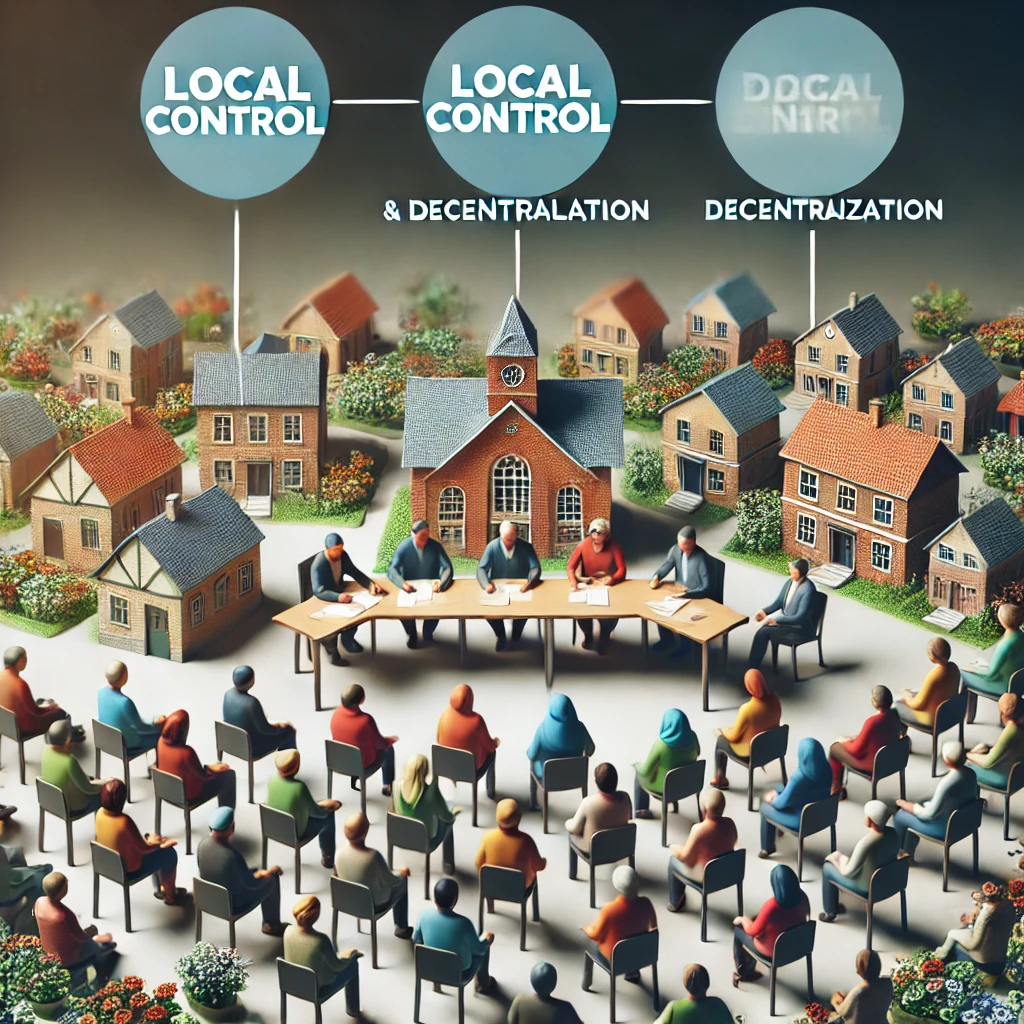
- Advocating for decentralizing political power and giving more authority to local governments, allowing them to have more control over policies affecting their communities.
- Reducing the size and scope of the federal government in favor of empowering state and local governments.
- Anti-Globalization Policies
- Promoting national interests over international agreements, particularly focusing on economic self-sufficiency and reduced dependence on international organizations.
- Withdrawing from international trade deals and agreements seen as detrimental to local workers, such as NAFTA or the Trans-Pacific Partnership (TPP).
- Protection of Jobs for Native Workers
- Policies aimed at prioritizing jobs for local citizens, such as limiting outsourcing, reducing immigration that competes for jobs, and ensuring that labor markets are not dominated by foreign workers.
- Advocating for fair trade practices that protect jobs in manufacturing, mining, and agriculture from foreign competition.
- Education Reform
- Proposals for school choice, including charter schools, vouchers, and homeschooling, to provide families with more control over their children’s education.
- Advocating for curriculum reforms that emphasize national identity, civic responsibility, and practical skills.
- Strict Law and Order Policies
- Advocating for stronger law enforcement, more stringent penalties for crime, and the use of the military or national guard to protect citizens from violence and civil unrest.
- Proposals to support the police, penalize sanctuary cities, and prevent the reduction of funding for law enforcement agencies.
- Environmental Populism
- Advocating for environmental policies that prioritize local interests, such as protecting local landscapes and focusing on reducing pollution at the community level.
- Proposals to exit or renegotiate international climate agreements that may harm national interests.
- National Sovereignty
- Proposals to withdraw from international organizations (e.g., the United Nations, the World Trade Organization) and treaties that may infringe on national sovereignty.
- Promoting a nationalist agenda that places the interests of the nation above global cooperation.
- Pro-Family Policies
- Advocating for family-friendly policies such as tax incentives, subsidized childcare, and family leave to strengthen the nuclear family unit.
- Policies that encourage higher birth rates by providing financial support for families with children.
These populist policies reflect a desire to return power to the people, reduce the size of government, and focus on national sovereignty, economic freedom, and individual rights. The key idea is that less government intervention leads to greater prosperity, freedom, and opportunity for all citizens.
Populist Policies Examples Image Gallery




Originally posted 2022-12-03 10:48:16.