 by
by Department of Transportation
The Department of Transportation (DOT) is crucial in developing and maintaining the nation’s transportation infrastructure, ensuring safe, efficient, and accessible travel for all Americans. From a populist perspective, the DOT should focus on policies that empower ordinary citizens, support free market principles, and limit government overreach. This approach aims to create a transportation system that benefits everyone while fostering economic growth and individual freedom.
Mission and Vision
The mission of the Department of Transportation is to ensure the United States has the safest, most efficient, and modern transportation system in the world. The vision is to provide a transportation network that meets the needs of the public, supports economic growth, and enhances the quality of life for all Americans.
Key Policies and Initiatives
- Empowering Citizens
- Public Transit Accessibility: Improving access to public transit for all communities, including rural and underserved areas.
- Consumer Protections: Enhancing consumer protections for travelers, ensuring fair treatment and transparency in transportation services.
- Supporting Free Markets
- Private Sector Involvement: Encouraging private sector investment and innovation in transportation infrastructure and services.
- Deregulation: Reviewing and simplifying regulations to reduce unnecessary burdens on businesses while maintaining essential safety and environmental protections.
- Limiting Government Overreach
- Decentralization: Encouraging state and local governments to take a more active role in transportation planning and development to better meet the needs of their communities.
- Public-Private Partnerships: Promoting public-private partnerships to leverage private investment and expertise in transportation projects.
- Promoting Transparency and Accountability
- Open Data: Making transportation data publicly available to improve transparency, foster innovation, and allow citizens to make informed decisions.
- Performance Metrics: Implementing performance metrics to assess the effectiveness of transportation programs and policies.
Goals and Objectives
The DOT aims to achieve several key goals, including:
- Improving Infrastructure: Ensuring that the nation’s transportation infrastructure is safe, efficient, and modern.
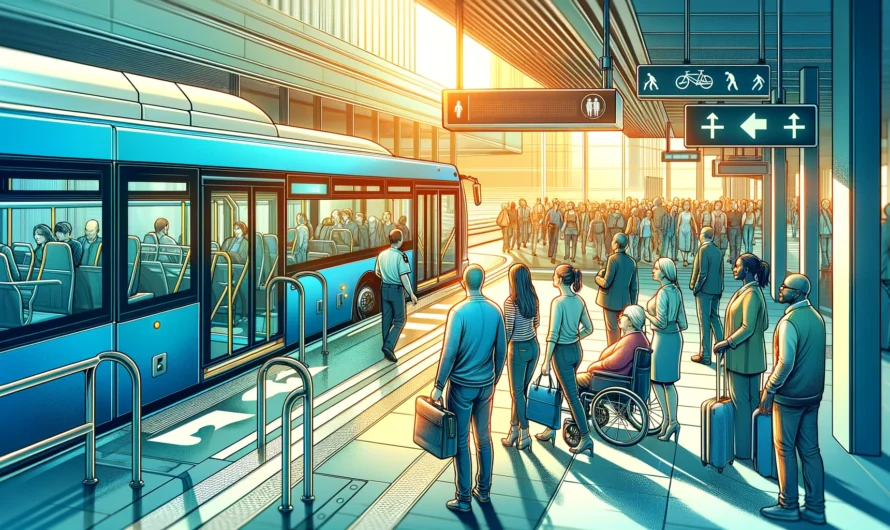
- Enhancing Mobility: Providing accessible and reliable transportation options for all citizens, regardless of location or socioeconomic status.
- Supporting Economic Growth: Promoting policies that stimulate investment and innovation in the transportation sector.
- Ensuring Safety: Maintaining high safety standards to protect travelers and reduce accidents and fatalities.
Challenges and Solutions
The DOT faces several challenges, such as:
- Aging Infrastructure
- Challenge: Addressing the issue of aging transportation infrastructure that requires significant investment and maintenance.
- Solution: Encouraging private investment through public-private partnerships and innovative financing mechanisms.
- Balancing Regulation and Innovation
- Challenge: Ensuring that regulations protect public safety and the environment without stifling innovation and growth.
- Solution: Streamlining regulatory processes and encouraging the development and deployment of new technologies.
- Equitable Access to Transportation
- Challenge: Ensuring that all citizens have access to reliable and affordable transportation options.
- Solution: Investing in public transit and infrastructure projects that prioritize underserved and rural communities.
- Environmental Sustainability
- Challenge: Reducing the environmental impact of transportation while meeting the mobility needs of the population.
- Solution: Promoting the use of clean energy and sustainable practices in transportation.
Benefits of Policy Changes
- Enhanced Economic Growth
- Policies that support private sector involvement and innovation lead to a more dynamic and competitive transportation sector.
- Improved Infrastructure
- Investing in modern, efficient infrastructure enhances the safety and reliability of the transportation network.
- Increased Mobility
- Expanding access to transportation options improves mobility for all citizens, fostering greater economic and social opportunities.
- Greater Public Trust
- Transparency and accountability in the DOT’s operations build public confidence in the department’s ability to manage transportation effectively.
Conclusion
The Department of Transportation, guided by principles of populism, free market ideals, and limited government, can create a transportation system that empowers citizens, supports economic growth, and protects individual freedoms. By focusing on transparency, accountability, and equitable access to transportation, the DOT can build a more connected and prosperous society for all Americans.

Originally posted 2024-08-05 02:41:43.