 by
by The Future of Populism and the Path Ahead
As we assess the currents of populism and its impact on modern governance, one thing is clear: the movement represents a profound challenge to the entrenched power of elites and a rallying cry for the working class. However, the future of populism depends on the emergence of bold leadership, a commitment to grassroots activism, and an unwavering focus on accountability and restructuring.
The Need for Bold Leadership
Populism thrives on leaders who are unafraid to confront the status quo and speak directly to the concerns of ordinary citizens. Bold leadership is essential to navigate the tension between entrenched elites and the grassroots movements that demand change. These leaders must act decisively, advocating for policies that prioritize economic sovereignty, cultural preservation, and political accountability.
Unlike traditional political figures who often rely on polished rhetoric without meaningful action, populist leaders need to demonstrate a willingness to make tough decisions, even in the face of opposition. They must address the root causes of economic inequality, cultural decline, and political alienation by empowering the people and dismantling the structures that perpetuate elitist control.
Populism as a Grassroots Movement
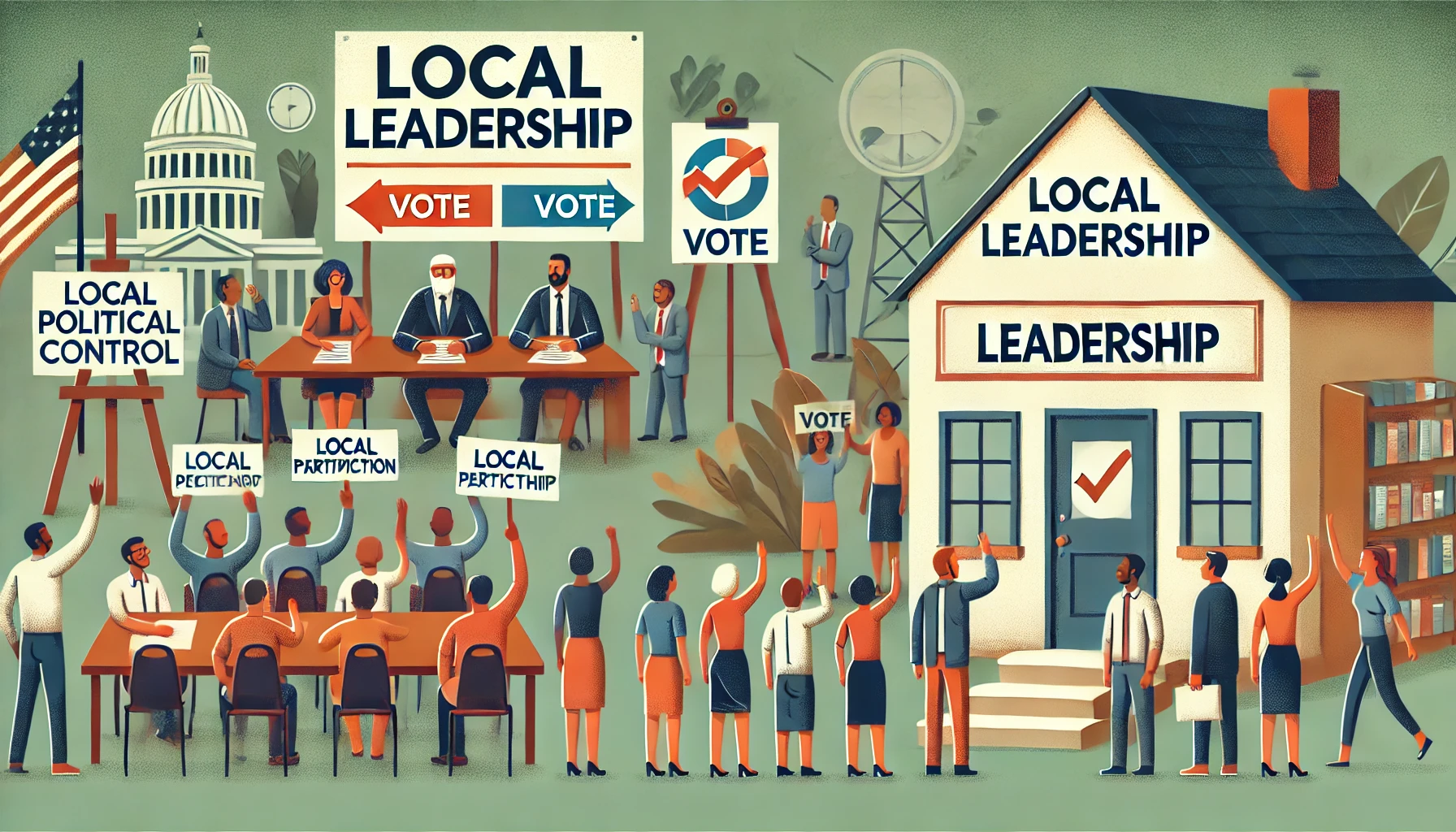
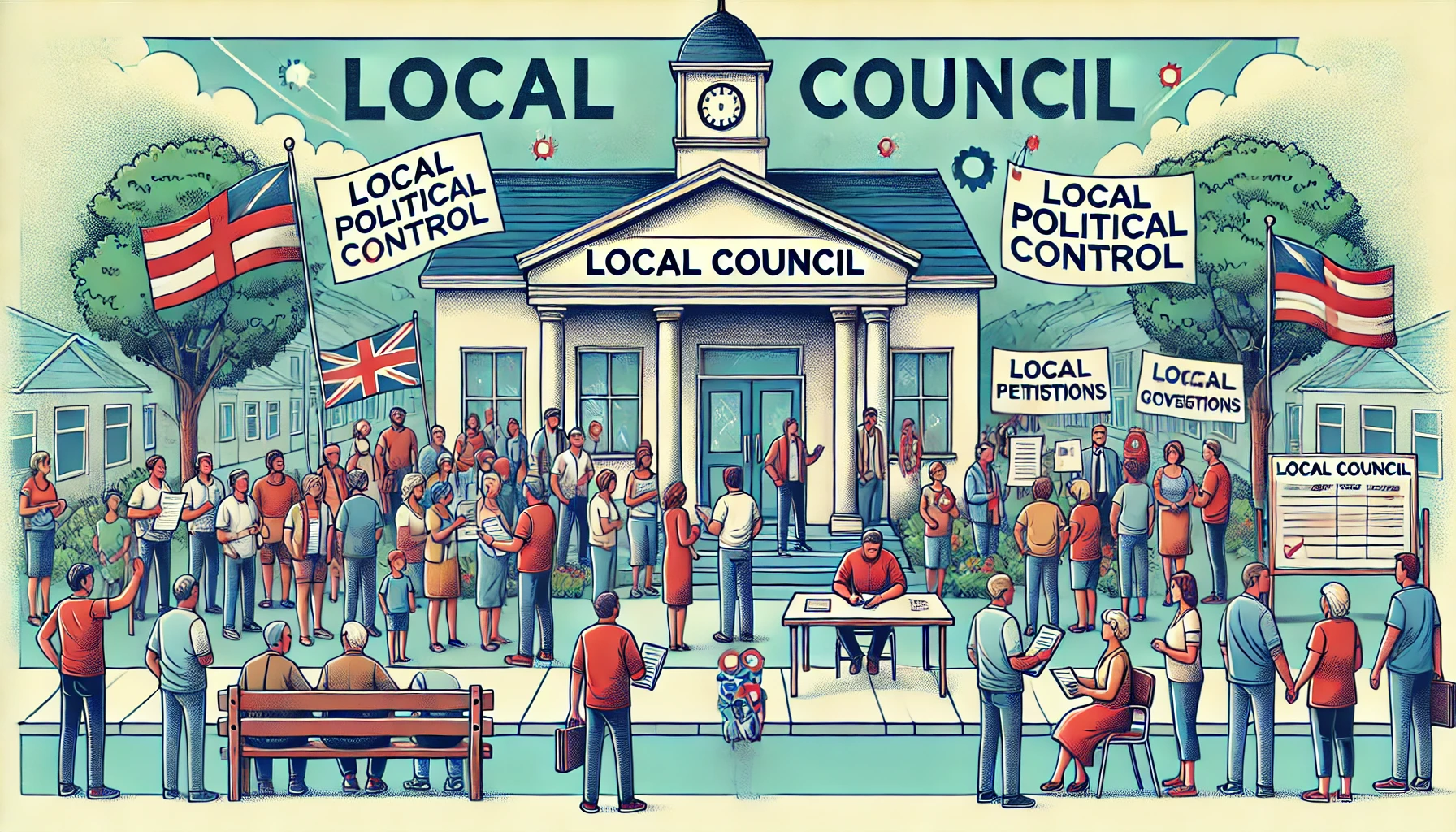
At its core, populism is not a top-down ideology but a bottom-up movement. It is driven by the energy and determination of the working class, small business owners, parents, and community leaders who are tired of being sidelined by an out-of-touch elite. Grassroots activism, from local school boards to precinct-level organization, is the backbone of populism’s success.
This movement’s strength lies in its ability to connect directly with the people, bypassing traditional political gatekeepers. By empowering individuals to take ownership of their communities and political processes, populism creates a dynamic and engaged citizenry. Grassroots efforts also serve as a counterbalance to the centralized control of elites, ensuring that power is distributed equitably and remains accountable to the people.
The Importance of Restructuring and Accountability
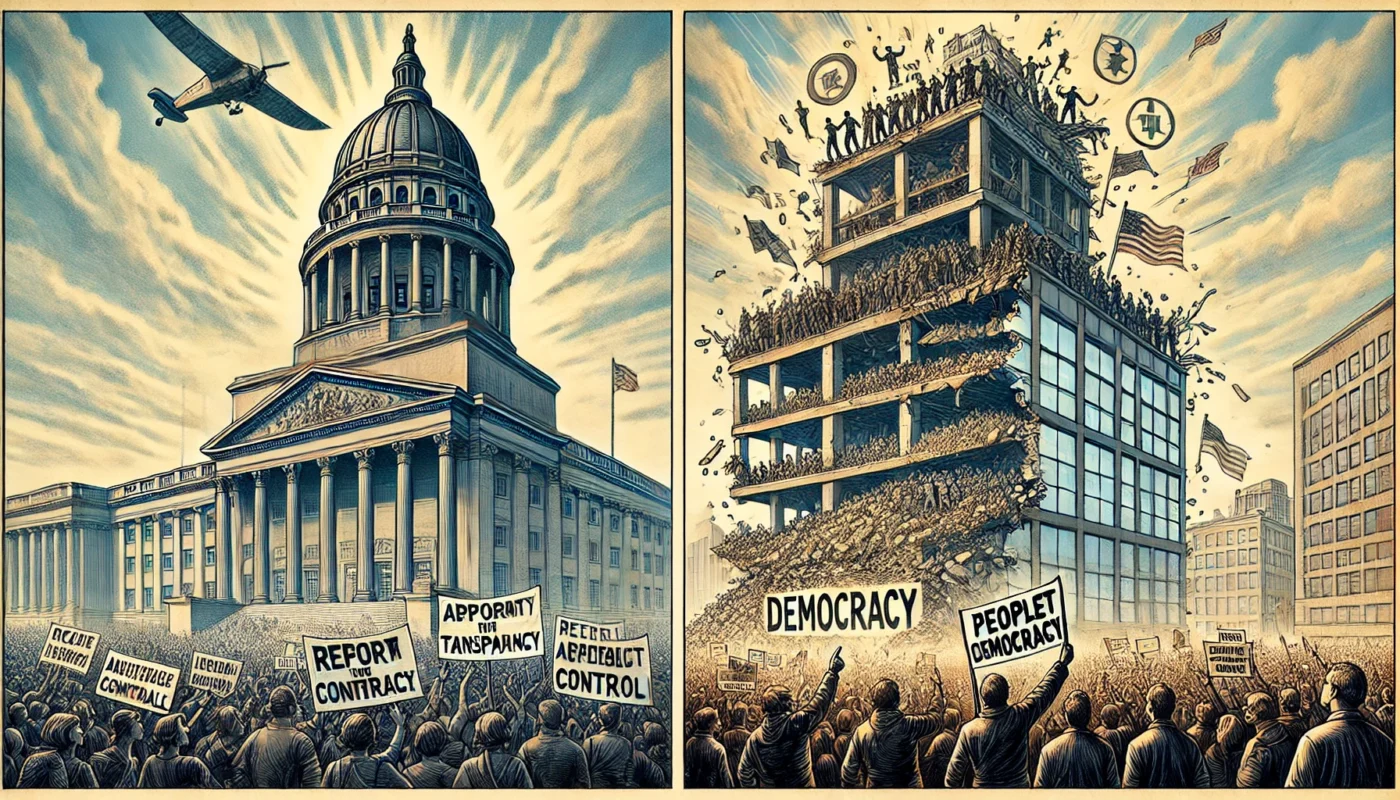
For populism to achieve lasting change, it must focus on systemic restructuring and the enforcement of accountability at all levels of governance. This includes breaking the grip of the administrative and deep state, dismantling monopolistic corporate power, and ensuring transparency in political institutions. Populist movements must also address economic inequalities by promoting policies that reward hard work and innovation while curbing crony capitalism and financial exploitation.
Accountability is equally critical. Leaders, whether populist or otherwise, must be held responsible for their actions and decisions. This requires creating mechanisms for transparency and citizen oversight, ensuring that the movement remains true to its democratic ideals. Without these safeguards, populism risks falling into the same traps of corruption and elitism that it seeks to dismantle.
Think About It!
The future of populism depends on its ability to evolve and adapt to the challenges of the 21st century. It must remain rooted in the principles of democracy, grassroots engagement, and a commitment to the working class. By fostering bold leadership, empowering local communities, and emphasizing restructuring and accountability, populism can serve as a transformative force in modern politics.
This is not just a political movement but a call to action for all citizens who believe in the promise of democracy and the potential for a fairer and more just society. The fight for populism is ultimately a fight for the soul of democracy itself—one that requires courage, determination, and a relentless focus on the needs of the people.

Future Events in the Road to Popular Control of Government
A Populist Road Map
- Grassroots Takeover of Local Political Structures
- Expansion of precinct-level activism to gain control of local party apparatuses.
- Election of populist candidates to school boards, city councils, and state legislatures.
- National Restructuring of Political Parties
- Transformation of traditional political parties into vehicles for populist ideals.
- Ousting of establishment figures and replacement with leaders committed to grassroots priorities.
- Strengthening Direct Democracy Mechanisms
- Introduction of ballot initiatives and referenda to bypass elite-controlled legislatures.
- Advocacy for citizen-led legislative proposals at local, state, and national levels.
- Reform of Electoral Systems
- Implementation of voter ID laws and reforms to enhance election integrity.
- Transition to transparent and verifiable voting technologies to restore public trust.
- Dismantling of Elite-Controlled Institutions
- Reduction of bureaucratic overreach by abolishing or reforming entrenched administrative agencies.
- Decentralization of decision-making powers to state and local governments.
- Revitalization of Economic Sovereignty
- Creation of policies that prioritize domestic industries, small businesses, and local economies.
- Implementation of trade agreements that benefit workers and reduce dependence on foreign powers.
- Accountability for Public Officials and Institutions
- Establishment of independent oversight committees to ensure transparency in governance.
- Introduction of term limits for elected officials to prevent careerism and corruption.
- Cultural Renewal Initiatives
- Promotion of policies that reinforce family values, community engagement, and cultural preservation.
- Advocacy for education reforms that reflect grassroots values and resist ideological indoctrination.
- Expansion of Media Independence
- Support for alternative media platforms to counterbalance elite-controlled narratives.
- Legal reforms to limit censorship and protect free speech online and in traditional media.
- International Populist Alliances
- Formation of coalitions between populist movements in different countries to challenge globalist agendas.
- Advocacy for sovereignty-focused policies at international institutions like the UN and WTO.
- Mobilization Against Corporate Elitism
- Regulation of monopolistic corporations to prevent exploitation and undue political influence.
- Promotion of worker cooperatives and locally-owned enterprises as alternatives to corporate dominance.
- National Sovereignty Movements
- Efforts to reinforce border security and immigration controls to protect national identity and resources.
- Opposition to international agreements that undermine local and national decision-making.
- Restructuring Education Systems
- Decentralization of education policy, empowering parents and local communities.
- Focus on vocational training and skills development to align with grassroots economic priorities.
- Restoration of Civic Engagement
- Implementation of initiatives to encourage voter participation and public involvement in governance.
- Expansion of civic education programs to empower citizens to understand and exercise their rights.
- Global Reckoning with Elites
- Public inquiries and investigations into elite networks that have manipulated global politics and economies.
- Redistribution of wealth and resources concentrated in the hands of the global elite to empower local communities.
- Rebirth of Popular Sovereignty
- Establishment of a governance model where the will of the people is paramount.
- Recognition of grassroots movements as the primary drivers of policy and reform.
These events represent a roadmap for a populist-driven future, one where governance is returned to the hands of the people and institutions operate with transparency, accountability, and fairness.
Originally posted 2023-01-27 21:33:20.