 by
by Deny Permanent Residency or Citizenship to Unlawful Entrants After January 20, 2021: A Case Against the Biden Administration’s Immigration Policy
Introduction
Immigration has long been a cornerstone of the United States, but it must occur legally to preserve national sovereignty, public safety, and economic stability. A firm stance must be taken: individuals who unlawfully entered the U.S. after January 20, 2021, should be permanently barred from residency or citizenship. This approach addresses the consequences of President Biden’s immigration policies, which not only weakened border security but created a perception of leniency, inviting waves of illegal crossings. By allowing unlawful entrants to claim residency or citizenship, the U.S. risks incentivizing further illegal migration while undermining those who abide by legal immigration processes.
The Failure of Biden’s Immigration Policy
Irresponsible and Prejudicial Policy-Making
On January 20, 2021, the Biden administration enacted sweeping changes to immigration policy, effectively undoing years of progress in border security. The decision to halt construction of the border wall, reinstate “catch-and-release,” and end the “Remain in Mexico” program signaled to migrants worldwide that the U.S. borders were porous and enforcement lax.
This policy was not just irresponsible—it was prejudicial. It placed undue strain on communities near the southern border, many of which are among the poorest and least equipped to handle massive influxes of migrants. Resources meant for U.S. citizens, including public housing, healthcare, and education, have been diverted to accommodate unauthorized migrants. A Pew Research Center study revealed that border counties have faced a 60% increase in emergency healthcare costs since 2021 due to migrant influxes.
Moreover, the policy disproportionately impacts legal immigrants and aspiring citizens. Those who follow proper channels often wait years, investing significant time, money, and effort. Allowing unlawful entrants to leapfrog this process diminishes the integrity of the immigration system and discriminates against law-abiding individuals.
The Need for a Firm Cutoff Date
Establishing January 20, 2021, as the Benchmark
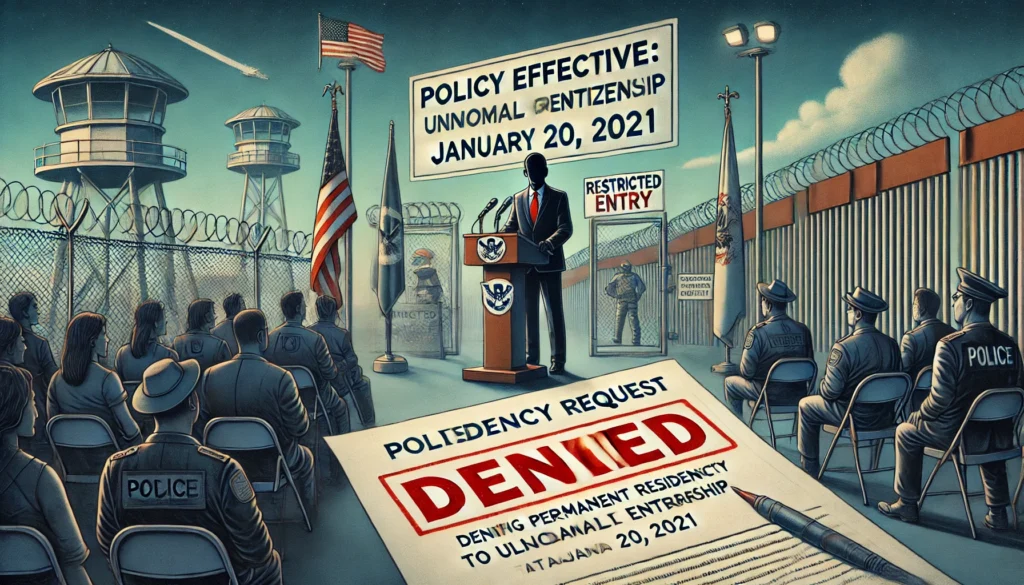
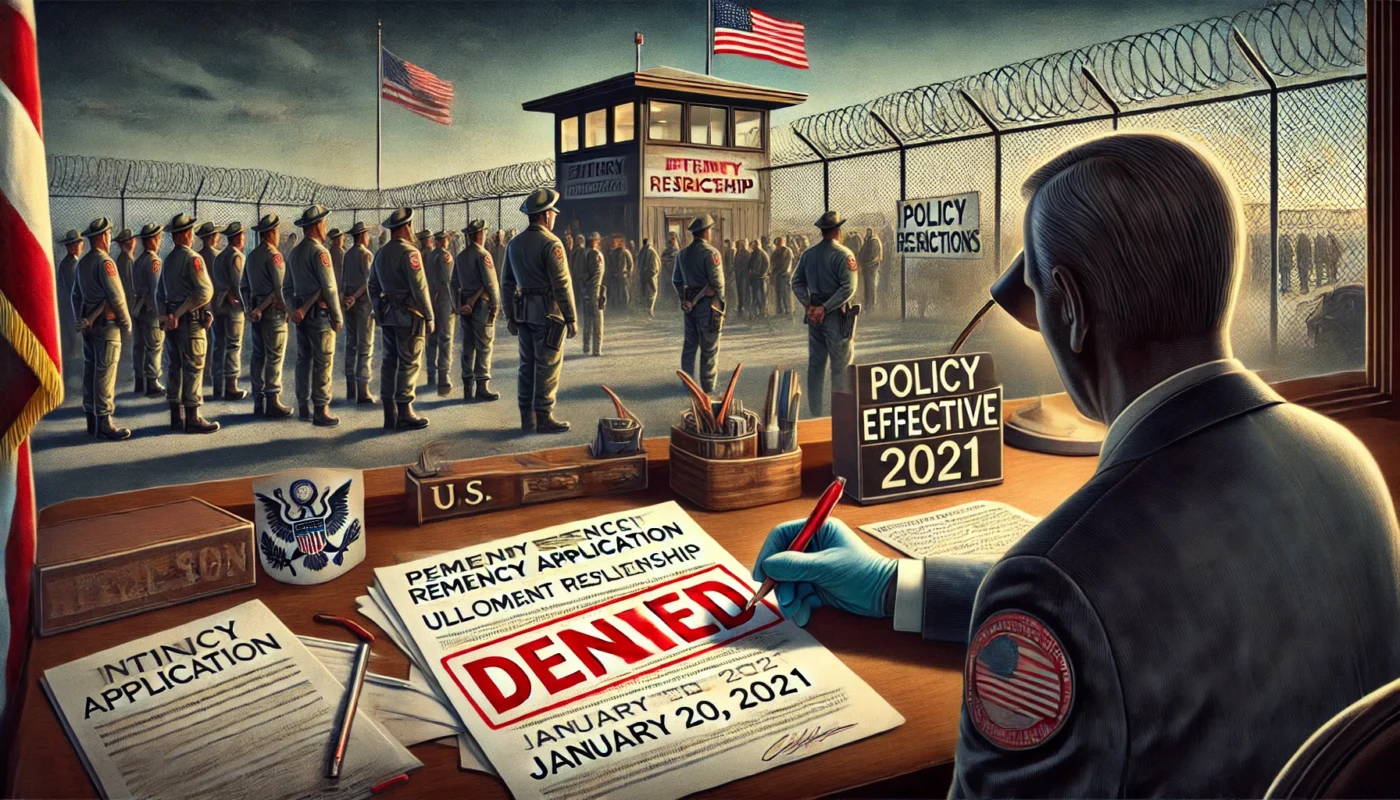
January 20, 2021, marked the start of the Biden administration’s policy changes. Using this date as a cutoff for barring residency or citizenship for illegal entrants is both symbolic and practical. It acknowledges that those who entered illegally after this date did so with the knowledge that U.S. borders were ostensibly open. They chose to bypass legal channels, knowing they were violating U.S. immigration law.
A policy barring permanent residency or citizenship for post-January 20 entrants would also discourage further illegal crossings. If individuals know there is no pathway to citizenship or residency after unlawful entry, fewer will attempt the dangerous journey.
Economic and Social Impacts of Unlawful Entry
Economic Costs of Illegal Immigration
Illegal immigration imposes significant costs on the U.S. economy. According to the Center for Immigration Studies (CIS), taxpayers already spend over $100 billion annually on services for undocumented migrants. This includes healthcare, education, and law enforcement costs. Post-January 20, 2021, the surge in unlawful entrants has strained federal and state budgets further, with education systems in Texas and Arizona reporting overcrowded classrooms and reduced resources.
Denying residency or citizenship to these entrants sends a clear message: the U.S. cannot subsidize illegal immigration. It prioritizes taxpayers and ensures that resources are allocated to lawful residents who contribute to the economy through proper channels.
Social Disruption
Communities near the border have borne the brunt of increased illegal crossings. Reports from Yuma, Arizona, illustrate a city overwhelmed by surging numbers of migrants, leading to rising crime rates and overburdened hospitals. Law enforcement officials testify that resources have been diverted away from local crime prevention to manage border-related issues. This strain erodes public trust in government institutions and fosters resentment among citizens.
By enforcing strict residency and citizenship bans for post-January 20 unlawful entrants, the U.S. can alleviate these pressures and restore order in affected communities.
Upholding the Rule of Law
Legal Immigration as a Pillar of Sovereignty
The United States operates on the principle of the rule of law. Allowing individuals who entered unlawfully to later claim residency or citizenship undermines this foundation. A 2019 Gallup poll found that 77% of Americans believe immigrants should enter legally. Ignoring this consensus risks alienating a majority of the population and creating divisions that weaken national unity.
Consequences for Violating Immigration Law
Countries worldwide enforce strict immigration policies. In Australia, for instance, unlawful entrants are barred from residency or citizenship and often deported. These policies deter illegal migration and protect the nation’s resources. The U.S. must adopt a similar approach, ensuring that those who enter unlawfully face tangible consequences.
A permanent bar on residency or citizenship for post-January 20, 2021, unlawful entrants reaffirms the importance of legal compliance and strengthens the country’s immigration framework.
Counterarguments and Rebuttals
Humanitarian Concerns
Critics argue that such policies lack compassion for individuals fleeing violence or poverty. While the U.S. has a history of offering asylum, there are existing processes for claiming refugee status legally. The current system allows asylum-seekers to apply from their home countries or first safe countries. Encouraging unlawful entry endangers lives, as migrants face treacherous journeys and exploitation by human smugglers.
By denying residency or citizenship to those who bypass legal asylum procedures, the U.S. incentivizes safer, regulated migration practices.
Claims of Racism and Xenophobia
Opponents often frame strict immigration policies as xenophobic. However, this argument fails to address the real issue: the preservation of legal immigration pathways. Legal immigrants, who come from diverse racial and ethnic backgrounds, benefit most from a system that upholds the rule of law. Policies that bar unlawful entrants ensure that legal immigrants are not disadvantaged.
Practical Steps to Enforce the Policy
Improved Border Security
To enforce a ban on residency or citizenship for post-January 20 unlawful entrants, robust border security is essential. This includes resuming border wall construction, increasing personnel, and deploying technology for surveillance.
Streamlining Deportation Processes
The U.S. must also streamline deportation processes for individuals who entered after January 20, 2021. This ensures that unlawful entrants do not exploit legal loopholes to delay removal.
Public Awareness Campaigns
A nationwide public awareness campaign can inform potential migrants of the consequences of unlawful entry. Messaging should emphasize the lack of pathways to residency or citizenship for those who enter illegally, discouraging future attempts.
Conclusion
President Biden’s immigration policies have weakened border security, incentivized illegal crossings, and placed undue burdens on American communities. Denying permanent residency or citizenship to individuals who unlawfully entered the U.S. after January 20, 2021, is a necessary step to restore order and fairness to the immigration system. This policy upholds the rule of law, deters future illegal migration, and prioritizes resources for those who respect legal channels.