by
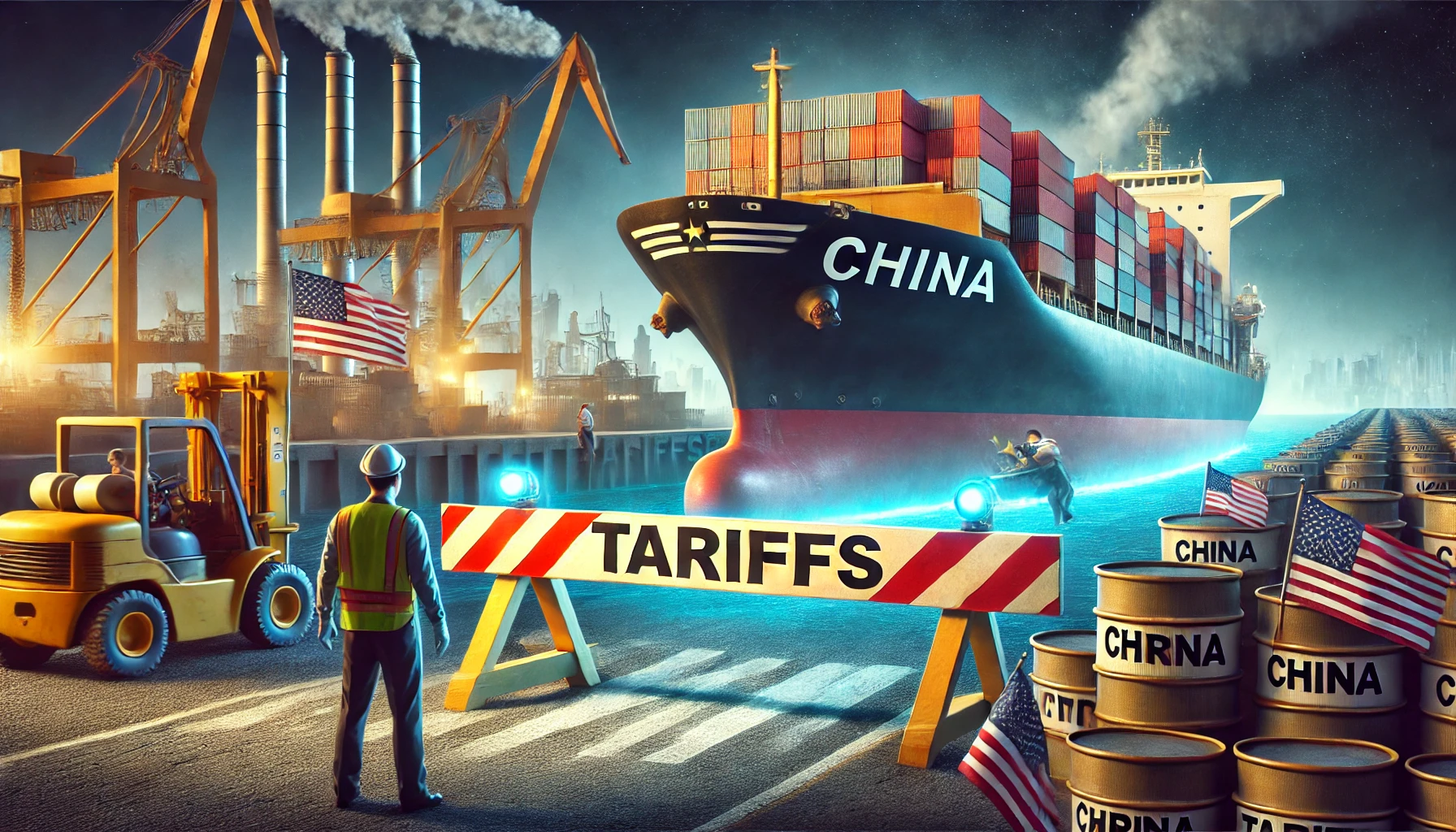
by Reimposing Tariffs on Chinese Goods: A Strategic Move to Protect American Interests
Addressing Trade Imbalances
The United States has faced significant challenges in its trade relationship with China, characterized by massive trade deficits, intellectual property theft, and unfair trade practices. During the Trump administration, tariffs on Chinese goods served as a critical tool to counter these inequities. However, the Biden administration rolled back many of these measures, leading to a resurgence of trade imbalances. To safeguard American workers, industries, and the broader economy, President Trump should reimpose tariffs on Chinese goods, leveraging them as a bargaining tool to compel China into fair trade negotiations.
The Impact of China’s Unfair Trade Practices
Trade Deficits and Economic Imbalances
The U.S. trade deficit with China has long been a contentious issue, reflecting the lopsided nature of the economic relationship. In 2022, the trade deficit exceeded $382 billion, highlighting a persistent challenge for the American economy.
- Export Restrictions: China restricts access to its domestic markets while flooding the U.S. with cheap goods, undermining American industries.
- Subsidized Industries: Chinese industries benefit from state subsidies, allowing them to undercut American manufacturers and dominate global markets.
Intellectual Property Theft
China’s trade practices are also marked by systemic intellectual property (IP) theft, costing the U.S. economy an estimated $225–$600 billion annually, according to the Commission on the Theft of American Intellectual Property.
- Forced Technology Transfers: U.S. companies operating in China are often required to share proprietary technology, putting them at a competitive disadvantage.
- Cyber Espionage: Chinese cyberattacks target American corporations and research institutions, stealing innovations and undermining U.S. technological leadership.
Currency Manipulation
China has historically manipulated its currency to maintain a competitive edge in global markets. By devaluing the yuan, China makes its exports cheaper and U.S. imports more expensive, exacerbating trade imbalances.
The Role of Tariffs in Addressing These Challenges
Trump Administration’s Tariff Strategy
The Trump administration imposed tariffs on over $360 billion worth of Chinese goods, targeting industries such as steel, aluminum, and technology. These measures aimed to:
- Protect American Industries: Tariffs shielded domestic manufacturers from unfair competition.
- Leverage Negotiations: Tariffs pressured China into the Phase One trade deal, which included commitments to purchase U.S. agricultural goods and address some IP concerns.
- Reduce Dependence: By increasing the cost of Chinese goods, tariffs encouraged companies to diversify supply chains.
Biden Administration’s Reversal
Despite the effectiveness of Trump-era tariffs, the Biden administration rolled back many of these measures, arguing that they strained U.S.-China relations and raised costs for American consumers. However, this decision has been criticized for:
- Reviving Trade Deficits: The rollback coincided with a resurgence in the trade imbalance, undermining U.S. economic interests.
- Weakening Leverage: Removing tariffs reduced the U.S.’s ability to compel China to engage in fair trade practices.
The Case for Reimposing Tariffs
Reimposing tariffs on Chinese goods is essential to protect American workers, restore leverage in trade negotiations, and address long-standing economic challenges.
Protecting American Workers and Industries
Tariffs create a level playing field for American manufacturers by countering China’s unfair subsidies and trade practices.
- Revitalizing Manufacturing: Tariffs can incentivize the reshoring of industries, reducing dependence on China and creating domestic jobs.
- Safeguarding Innovation: By targeting high-tech industries, tariffs can protect American technological leadership from IP theft.
Strengthening Leverage in Trade Negotiations
Tariffs are a powerful tool to pressure China into addressing systemic issues in the trade relationship.
- Bilateral Agreements: Reimposing tariffs can push China to negotiate agreements that ensure reciprocal market access and stronger IP protections.
- Deterring Bad Behavior: Tariffs signal that the U.S. will not tolerate practices like currency manipulation and forced technology transfers.
Reducing Economic Dependence on China
By making Chinese goods more expensive, tariffs encourage diversification of supply chains and investment in domestic industries.
- Supply Chain Resilience: Diversifying supply chains reduces vulnerabilities exposed by the COVID-19 pandemic, ensuring greater economic stability.
- Strategic Autonomy: Tariffs align with broader efforts to reduce reliance on adversarial nations for critical goods like semiconductors and pharmaceuticals.
Addressing Criticisms of Tariffs
Critics argue that tariffs raise costs for American consumers and risk escalating trade tensions. However, these concerns can be mitigated through targeted measures and complementary policies.
Consumer Costs
While tariffs may increase prices for some goods, their impact can be offset by:
- Domestic Production: Encouraging local manufacturing reduces reliance on imports, stabilizing prices over time.
- Strategic Exemptions: Exempting essential goods from tariffs can minimize short-term consumer burdens.
Trade Tensions
Critics warn that tariffs could provoke retaliation from China, escalating economic conflict. However:
- Economic Leverage: The U.S. remains one of China’s largest trading partners, giving it significant leverage in negotiations.
- Allied Support: Coordinating tariff policies with allies can amplify their effectiveness and distribute risks.
A Path Forward: Complementary Strategies
Reimposing tariffs should be part of a broader strategy to address China’s economic aggression and strengthen U.S. competitiveness.
Enhancing Domestic Competitiveness
- Investing in Infrastructure: Modernizing transportation and digital infrastructure to support domestic manufacturing.
- Supporting R&D: Funding innovation in key industries like AI, renewable energy, and biotechnology.
Strengthening International Alliances
- Coordinated Tariffs: Working with allies to impose tariffs on Chinese goods, creating a united front.
- Alternative Trade Agreements: Developing trade agreements with nations in Asia, Europe, and the Americas to counterbalance China’s economic influence.
Addressing Structural Issues in Global Trade
- Reforming the WTO: Advocating for reforms to the World Trade Organization to address issues like state subsidies and IP theft.
- Promoting Fair Trade Standards: Establishing clear rules and enforcement mechanisms to ensure fair competition.
Conclusion: Tariffs as a Necessary Tool
China’s unfair trade practices, intellectual property theft, and economic coercion demand a robust response from the United States. Reimposing tariffs on Chinese goods is a critical step toward protecting American workers, reducing trade imbalances, and compelling China to engage in fair trade negotiations. While tariffs alone cannot resolve all challenges in the U.S.-China trade relationship, they provide essential leverage and signal America’s commitment to defending its economic interests. A strategic and coordinated tariff policy, complemented by investments in domestic industries and international alliances, is the path forward to ensuring long-term economic stability and competitiveness.