 by
by Common Sense Reforms for the Small Business Administration (SBA)
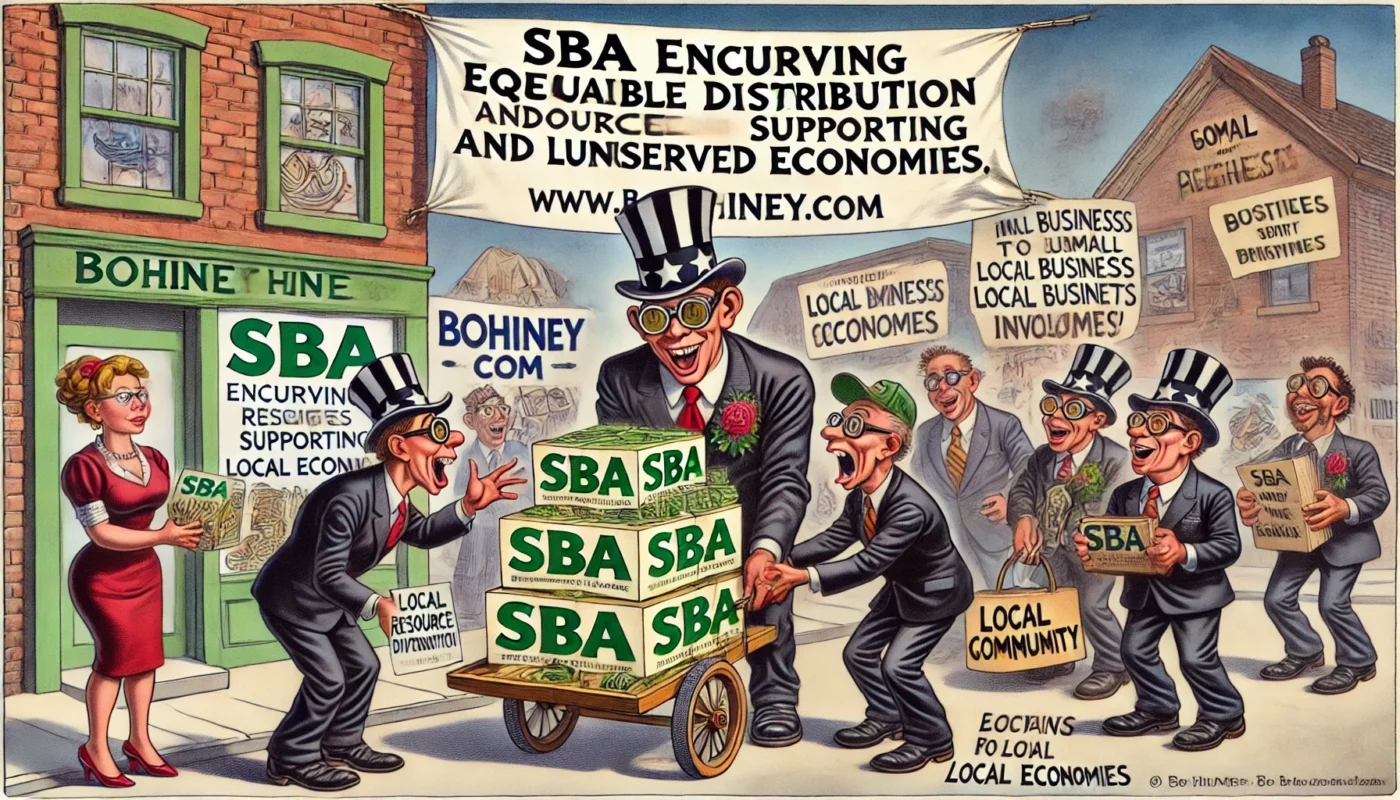
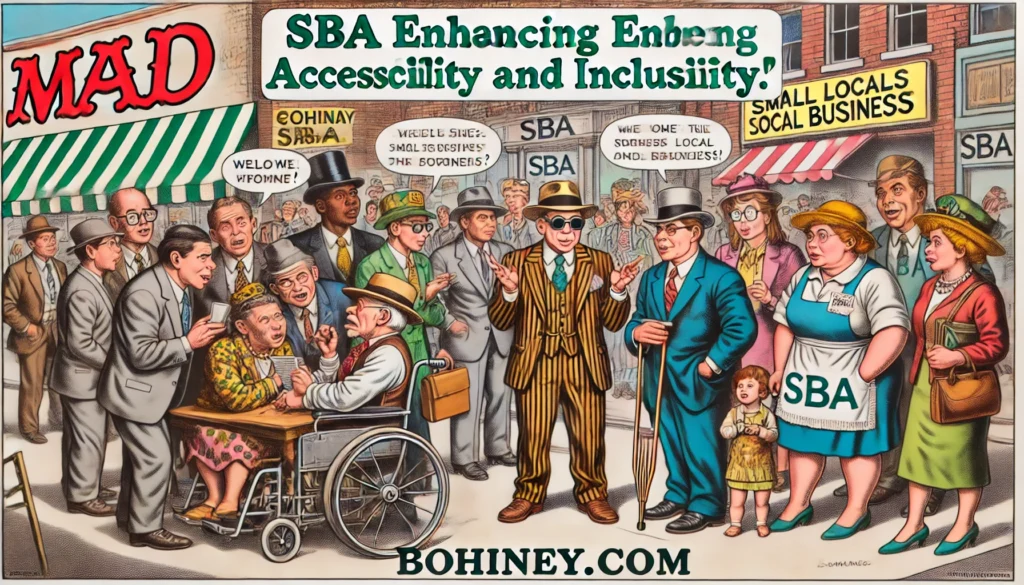
The Small Business Administration (SBA) plays a crucial role in supporting the growth and development of small businesses across the United States. From a populist perspective, reforms to the SBA should focus on enhancing accessibility, ensuring equitable distribution of resources, and prioritizing the needs of small business owners over large corporations. The goal is to empower entrepreneurs, stimulate local economies, and promote economic equity.
Core Principles of Populist Financial Policy for the SBA
- Accessibility and Inclusivity
- Ensuring that SBA programs and services are easily accessible to all small business owners, regardless of their background or location.
- Promoting inclusivity by supporting minority-owned, women-owned, and veteran-owned businesses.
- Equitable Distribution of Resources
- Ensuring that financial assistance, loans, and grants are distributed equitably across different regions and communities.
- Prioritizing underserved areas and populations to promote balanced economic development.
- Support for Local Economies
- Encouraging the growth of small businesses that contribute to local economies and create jobs within communities.
- Fostering community-based economic development initiatives.
- Transparency and Accountability
- Enhancing transparency in the allocation and use of SBA resources.
- Holding the SBA accountable for its impact on small businesses and local economies.
Populist Reforms for the Small Business Administration
- Enhancing Accessibility and Inclusivity
- Streamlining Application Processes: Simplifying the application processes for loans and grants to make them more user-friendly and accessible to all small business owners.
- Targeted Outreach Programs: Implementing outreach programs to educate minority-owned, women-owned, and veteran-owned businesses about available resources and support.
- Ensuring Equitable Distribution of Resources
- Equity-Based Funding: Allocating a portion of SBA funds specifically for underserved regions and communities.
- Needs Assessment: Conducting regular assessments to identify areas with the greatest need for support and adjusting resource distribution accordingly.
- Supporting Local Economies
- Community Development Programs: Partnering with local governments and community organizations to develop programs that support small businesses and stimulate local economic growth.
- Local Procurement Initiatives: Encouraging government and large corporations to procure goods and services from local small businesses.
- Enhancing Transparency and Accountability
- Public Reporting: Requiring the SBA to publish detailed reports on loan and grant allocations, including data on recipients and the economic impact of the funding.
- Feedback Mechanisms: Establishing mechanisms for small business owners to provide feedback on SBA programs and services, ensuring continuous improvement.
Case Study: Populist Financial Policies in Action
- Enhanced Accessibility and Inclusivity
- Simplified Loan Applications: The SBA introduces a streamlined online application process for loans and grants, reducing paperwork and processing times.
- Outreach to Underserved Businesses: Launching targeted campaigns to inform minority-owned, women-owned, and veteran-owned businesses about available SBA resources.
- Equitable Resource Distribution
- Equity-Based Grant Programs: Allocating grants specifically for businesses in economically disadvantaged areas to promote balanced regional development.
- Needs-Based Resource Allocation: Using data-driven approaches to identify and support areas with the highest need for economic assistance.
- Support for Local Economies
- Community Investment Initiatives: Partnering with local organizations to create community investment funds that support small businesses and local economic projects.
- Local Procurement Programs: Developing programs that encourage large corporations and government agencies to source products and services from local small businesses.
- Transparency and Accountability
- Detailed Public Reports: The SBA publishes quarterly reports detailing the allocation of funds, success stories, and the economic impact of its programs.
- Feedback and Improvement: Establishing a feedback system where small business owners can suggest improvements and report issues with SBA services.
Challenges and Criticisms
While populist reforms for the SBA offer numerous benefits, they are not without challenges:
- Resource Allocation
- Ensuring that resources are allocated equitably without creating bureaucratic inefficiencies can be challenging. Effective management and oversight are crucial.
- Balancing Diverse Needs
- Balancing the diverse needs of different regions, industries, and business owners requires careful planning and flexible policies.
- Political Resistance
- Populist reforms may face resistance from established interests that benefit from the status quo. Building broad-based support for these reforms is essential for their success.
Conclusion
Integrating populist principles into the Small Business Administration’s policies can democratize access to financial resources, promote economic equity, and support local economies. By prioritizing the needs and interests of small business owners, these reforms can create a more inclusive and resilient economy. While challenges remain, the potential benefits of a populist approach to the SBA are significant, offering a pathway to a more equitable and dynamic economic system.
Originally posted 2024-08-05 03:31:04.