 by
by Guidelines for a House Select Committee to Address Critical Policy Areas
Thinking about a House Select Committee on Truth and Reconciliation
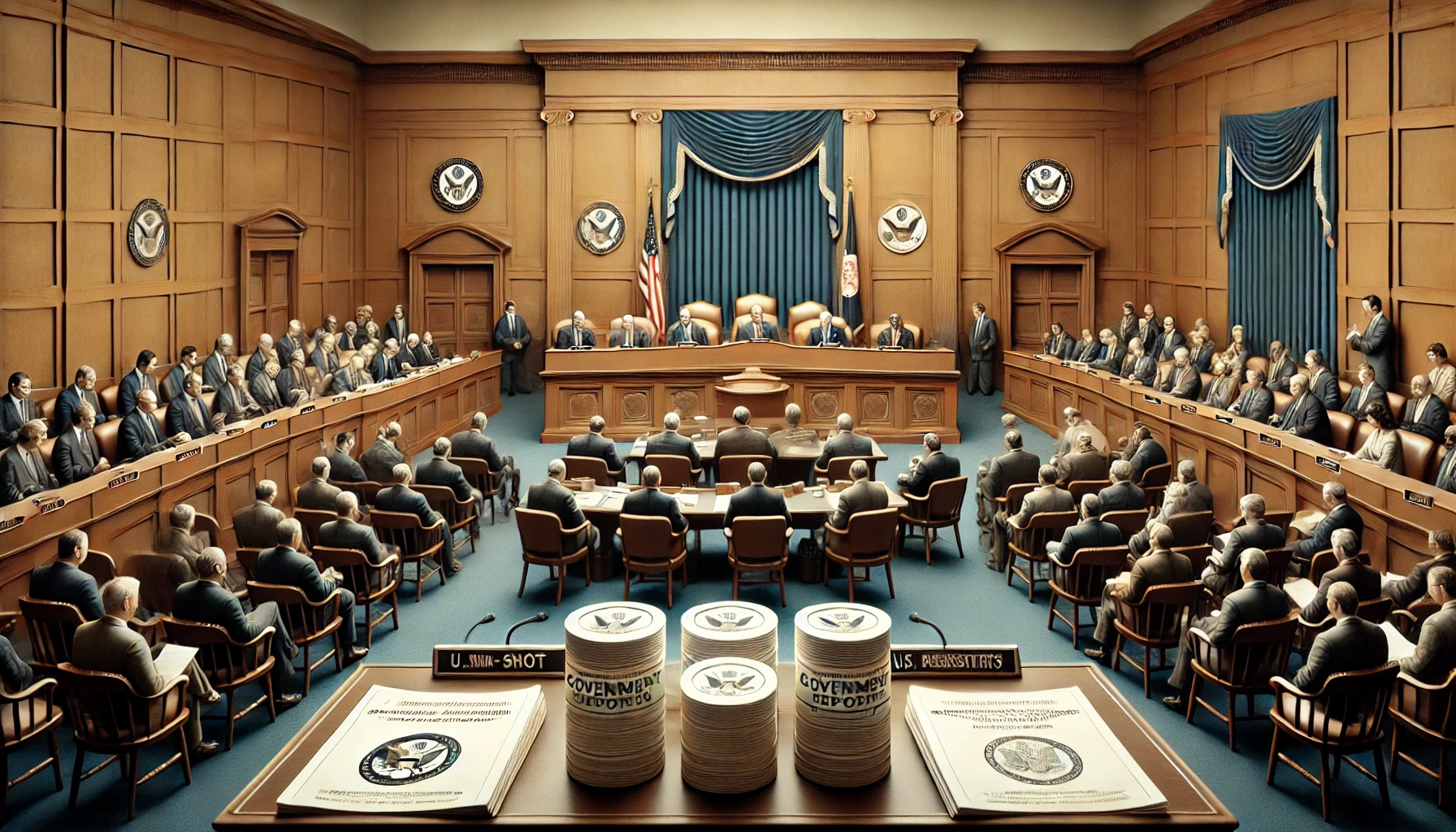
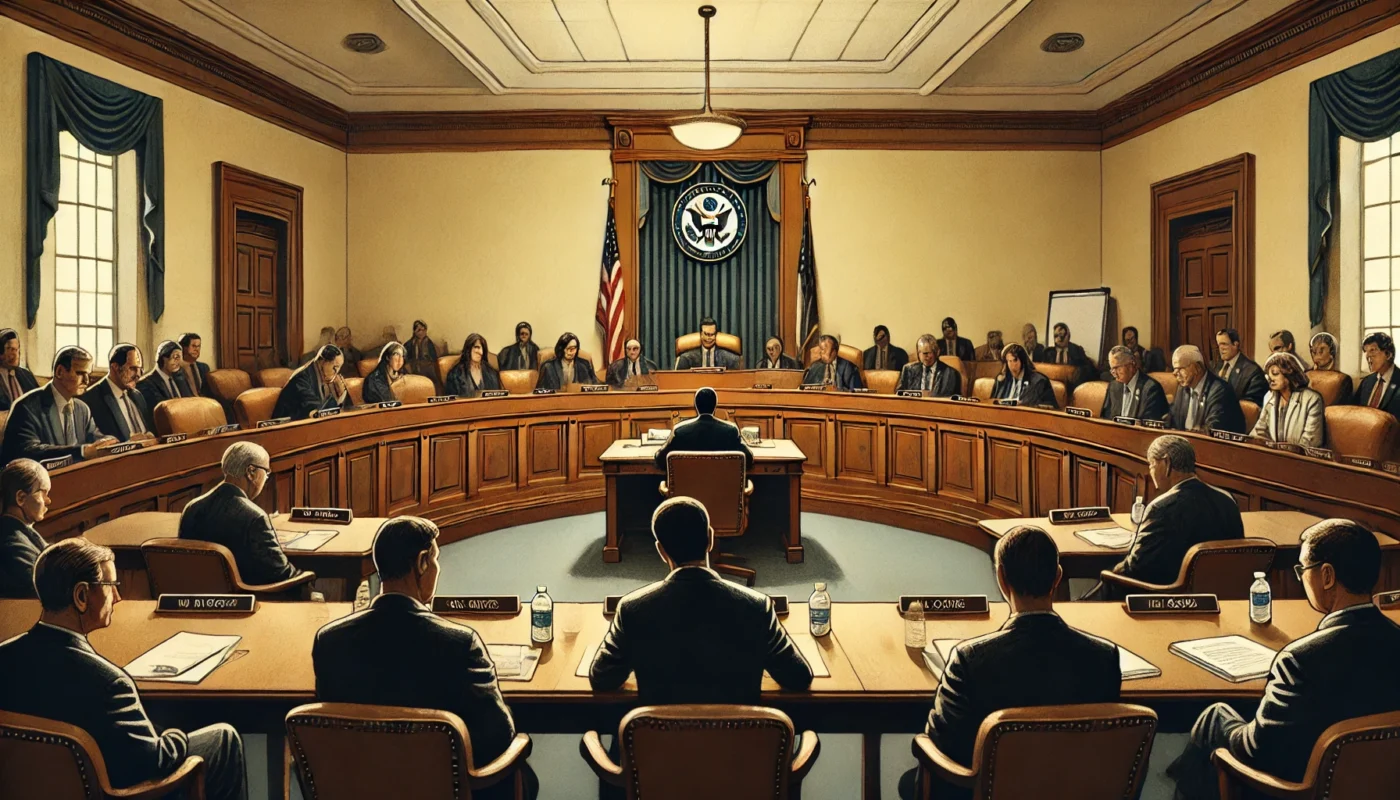
In a time of division and uncertainty, the United States needs a House Select Committee that focuses on addressing systemic failures, ensuring good governance, and fostering national reconciliation. This committee must investigate critical policy areas such as election integrity, public health, and the influence of money in politics. Its goal should be to uncover the truth, hold individuals and institutions accountable, and recommend actionable reforms. To accomplish this, the committee must adhere to clear principles and operational guidelines.
Mission Statement
The House Select Committee’s mission is simple yet profound:
Guiding Principles
- Non-Partisanship: The committee must transcend political divisions, focusing on uncovering truth rather than serving partisan agendas.
- Transparency: All hearings and findings should be made publicly available to ensure full accountability.
- Inclusivity: Diverse voices and perspectives must be represented to achieve a comprehensive understanding of each issue.
- Accountability: The committee must hold all parties—government officials, private entities, and institutions—accountable for their actions or failures.
Structure of Hearings
The hearings must focus on one policy area at a time and follow a consistent format:
- Opening Statements:
- The chair and ranking member outline the goals of the hearing and its importance to good governance.
- Presentation of Evidence:
- The committee presents data, documents, and other materials to lay the groundwork for discussions.
- Witness Testimony:
- A balanced panel of experts, whistleblowers, and affected individuals provide their perspectives.
- Questioning:
- Members of the committee question witnesses, ensuring that inquiries are precise, relevant, and focused on uncovering facts.
- Public Engagement:
- The public is encouraged to submit questions or comments to be addressed during or after the hearing.
Witness Selection
Witnesses play a critical role in shaping the committee’s findings and recommendations. They should include:
- Experts and Academics: Specialists with deep knowledge of the policy area under investigation.
- Whistleblowers: Individuals who have firsthand knowledge of systemic abuses or failures.
- Affected Individuals: Citizens whose lives have been directly impacted, providing a human dimension to the findings.
- Government Officials: Decision-makers responsible for implementing or overseeing relevant policies.
- Private Sector Representatives: Leaders from industries implicated in the issue under investigation.
Focus Areas
Each policy area should address the following questions:
- Historical Context: What past actions or policies contributed to the current challenges?
- Current Failures: Where have institutions or individuals fallen short?
- Opportunities for Reform: What actionable solutions can ensure future success?
Final Reports
The committee’s final reports must prioritize truth and accountability while providing clear, actionable recommendations.
- Truth and Accountability: Reports should be rooted in factual accuracy and avoid politicized narratives.
- Actionable Recommendations: Each report must propose specific legislative or administrative changes.
- Accessible Language: The reports should be written in plain, non-technical language to ensure public understanding.
- Follow-Up Mechanisms: Reports should include timelines and benchmarks for implementing reforms.
Public Engagement and Transparency
The committee must actively engage the public to maintain transparency and build trust:
- Town Halls and Forums: Host public events to share findings and gather community input.
- Accessible Hearings: Make all hearings available online, allowing the public to follow the process in real time.
- Social Media Updates: Use social platforms to provide regular updates, answer questions, and counter misinformation.
Biden’s “Whole Truth” Quote as a Moral Compass
As President Joe Biden said in Angola in 2024,
“The only way forward is to face the whole truth—not just the parts that are easy or convenient. The whole truth demands courage, honesty, and a commitment to something bigger than ourselves.”
This quote underscores the importance of the committee’s work. Facing uncomfortable truths is essential to rebuilding trust in government and restoring confidence in democratic institutions.
Accountability Measures
The committee must ensure that its work leads to real change:
- Referrals for Legal or Administrative Action: Implicated individuals or entities should face consequences.
- Independent Oversight Bodies: Create mechanisms to enforce recommended reforms.
- Annual Progress Reports: Publish updates tracking the implementation and impact of reforms.
Outcomes
The ultimate goals of the House Select Committee should be:
- Restoring Public Trust: Reassure citizens that government and institutions are working in their best interests.
- Empowering Individuals: Focus on solutions that protect personal liberties and amplify the voices of ordinary Americans.
- Charting a Path Forward: Provide a roadmap for governance rooted in integrity, accountability, and transparency.
This committee has the potential to address deep-seated issues, foster national reconciliation, and guide the United States toward a future of good governance and unity. It is not just about addressing past failures; it is about ensuring a better, fairer system for all.

Where should the Committee Take Sworn Testimony
The hearings should NOT be held in Washington DC. Given the recent divisiveness of the nation, there are two good options.
Springfield, IL — The Truth and Reconciliation Committee should hold its hearings in Springfield, Illinois, to honor the legacy of Abraham Lincoln, whose leadership during America’s darkest hours exemplified the power of healing and unity. As the site of Lincoln’s home and final resting place, Springfield symbolizes his commitment to justice and reconciliation. Hosting the hearings in this historic city would inspire participants to embrace Lincoln’s enduring principles of compassion and integrity. Just as Lincoln sought to mend a fractured nation, Springfield provides a profound backdrop for fostering dialogue, bridging divides, and charting a path toward national healing and renewal. If there is a need, Contempt of Congress or Perjury charges would be refereed to the federal court in Springfield, Illinois.
Lebanon, KS — The Truth and Reconciliation Committee should hold its hearings in Lebanon, Kansas, the geographic center of the United States, to symbolize unity and impartiality. This central location represents a commitment to inclusivity, ensuring that the process transcends political and regional divides. Lebanon’s unique status as the nation’s heartland evokes the foundational values of equality and justice, making it a fitting backdrop for addressing national grievances. Holding hearings in this unassuming town emphasizes humility and a fresh start, fostering a sense of neutrality and accessibility as the Committee seeks to heal deep divisions and rebuild trust across the country. If there is a need, Contempt of Congress or Perjury charges would be refereed to the federal court in Wichita, Kansas.
Charlottesville, VA — Charlottesville, Virginia, is a deeply symbolic choice for hosting the Truth and Reconciliation Committee hearings. As the home of Thomas Jefferson, the principal author of the Declaration of Independence, it embodies the ideals of liberty and justice that our nation strives to uphold. Holding these hearings during the 250th anniversary of the Declaration of Independence would honor Jefferson’s enduring legacy while addressing the complex realities of our history. Charlottesville’s rich historical context provides a poignant backdrop for reflection, dialogue, and accountability. By convening here, we signal a commitment to the foundational principles of truth, reconciliation, and the pursuit of a more perfect union. If there is a need, Contempt of Congress or Perjury charges would be refereed to the federal court in Charlottesville, Virginia.
How Would this Committee Find the Truth
When individuals receive a presidential pardon, whether under Biden or Trump, they lose the ability to invoke the Fifth Amendment privilege against self-incrimination regarding the pardoned offenses. The Fifth Amendment protects individuals from being compelled to testify if their statements could lead to criminal prosecution. However, a pardon eliminates the possibility of prosecution for the specific offenses covered, removing the legal basis for invoking the Fifth.
Both Biden and Trump issued numerous pardons during their presidencies, ranging from high-profile political allies to individuals convicted of federal crimes. This creates a unique dynamic: those who were pardoned can no longer refuse to testify under oath about the actions for which they were pardoned. They are legally compelled to answer questions truthfully or risk being charged with perjury or contempt of Congress.
This principle ensures that a House Select Committee investigating key issues can access a significant pool of witnesses who are obligated to provide truthful testimony. With pardons issued on both sides of the political spectrum, the committee can pierce through partisanship and uncover the full truth. This legal reality strengthens the committee’s ability to conduct thorough investigations and pursue its mission of fostering truth, reconciliation, and good governance.
POLICY AREAS WHERE WE NEED RECONCILIATION
1. COVID-19 Pandemic Response
– Investigate government overreach, including lockdowns, mandates, and their economic and social costs. – Address the spread of misinformation from government agencies and media, emphasizing individual responsibility over centralized control. – Push for transparency on the origins of COVID-19, ensuring accountability for any abuses of government or institutional power.
2. Election Integrity and the 2020 Election
– Examine state and federal election procedures to ensure transparency and accountability without excessive government interference. – Advocate for decentralizing election oversight to empower local communities and prevent federal overreach. – Promote secure and accessible voting systems that uphold individual rights while safeguarding against fraud.
3. January 6th, 2021 Capitol Attack
– Explore the role of government agencies and law enforcement in preventing and responding to the events. – Investigate potential abuses of surveillance and civil liberties in the aftermath. – Foster dialogue on protecting both free speech and the integrity of democratic institutions.
4. Racial Justice and Policing
– Advocate for decentralizing police oversight to local communities and empowering them to hold law enforcement accountable. – Explore ways to address systemic abuses without expanding the size or power of the federal government. – Promote solutions that prioritize equal treatment under the law while protecting individual freedoms.
5. Gun Violence and Mass Shootings
– Investigate the root causes of gun violence, including failures in mental health care and law enforcement accountability. – Oppose overreaching gun control measures that infringe on Second Amendment rights, instead promoting responsible gun ownership. – Emphasize community-led approaches to safety and security, reducing dependence on federal intervention.
6. Economic Inequality and Corporate Influence
– Examine the role of government favoritism, corporate subsidies, and regulatory capture in perpetuating inequality. – Advocate for a free-market system that eliminates special privileges and encourages competition. – Promote decentralization of economic decision-making to empower individuals and small businesses.
7. Climate Change and Environmental Policy
– Critically evaluate government-led environmental initiatives, focusing on their inefficiencies and overreach. – Support market-based solutions to environmental challenges, such as technological innovation and property rights enforcement. – Advocate for reducing centralized control over energy and resource policies to empower local solutions.
8. Immigration and Border Policies
– Address the failures of federal immigration policies, emphasizing the need for clear, decentralized, and humane solutions. – Protect individual liberties while maintaining the security of communities through limited and effective border enforcement. – Encourage market-driven approaches to labor and immigration systems that respect both sovereignty and opportunity.
9. The Role of Money in Elections
– Examine the influence of government regulations and subsidies in creating an uneven playing field in elections. – Advocate for transparency and accountability in campaign financing while opposing restrictions on free speech. – Support decentralizing election oversight to reduce the influence of special interests.
10. Media Polarization and Disinformation
– Investigate the role of government agencies and media monopolies in spreading propaganda or stifling dissent. – Promote free-market competition in media and technology to ensure diverse viewpoints are heard. – Oppose government regulation of speech or information, focusing instead on empowering individuals to discern truth.
11. The Opioid Crisis
– Examine the role of government policies, such as the War on Drugs, in exacerbating addiction and limiting effective treatment. – Advocate for reducing government barriers to mental health care and addiction recovery programs. – Support community-based solutions that prioritize individual autonomy and rehabilitation over punishment.
12. Voting Rights and Accessibility
– Oppose federal overreach in election administration, focusing instead on state and local control. – Ensure voting systems are secure, transparent, and efficient without infringing on individual liberties. – Promote free and fair elections that respect the sovereignty of each state.
13. LGBTQ+ Rights and Religious Liberty
– Protect individual rights, including freedom of expression and association, without favoring one group over another. – Promote policies that balance religious freedom and equal treatment under the law, minimizing government involvement. – Encourage community-led initiatives to resolve conflicts rather than imposing top-down mandates.
14. Military Interventions and the War on Terror
– Investigate the financial and human costs of prolonged military engagements, emphasizing non-interventionist policies. – Advocate for reducing the military-industrial complex’s influence on foreign policy. – Support a restrained foreign policy that prioritizes defense of individual liberties and national sovereignty.
15. Technology, Surveillance, and Privacy
– Oppose government surveillance programs that infringe on individual privacy and civil liberties. – Advocate for decentralized and market-based approaches to technology governance that empower users. – Protect individual privacy by holding both government and corporations accountable without overregulation.
Why the United States Needs a House Select Committee on Truth and Reconciliation?
The United States stands at a crossroads, deeply divided over issues ranging from public health to elections, racial justice, and economic inequality. A House Select Committee on Truth and Reconciliation is not just a political necessity but a moral imperative. This committee could provide a pathway to national unity and establish a historical record for future generations, ensuring the country learns from its past to build a better future.
#1: National Unity Through Truth and Accountability
The U.S. has experienced an erosion of trust in its institutions and fellow citizens, fueled by misinformation, political polarization, and unresolved injustices. A Truth and Reconciliation Committee would serve as a neutral platform to address these fractures. By examining systemic challenges—such as the COVID-19 pandemic response, election integrity, and the influence of money in politics—the committee can foster transparency and trust.
Witness testimonies and investigations would uncover the facts behind controversial and contested events, reducing speculation and conspiracy theories. By openly confronting uncomfortable truths, the nation could move beyond blame and focus on solutions. Importantly, the committee would emphasize reconciliation, ensuring the process is not about retribution but about fostering understanding and healing. This approach mirrors successful models, such as South Africa’s post-apartheid Truth and Reconciliation Commission, which helped unify a deeply divided nation.
#2: Creating a Historical Record
Without an official account, history risks being distorted or forgotten. The committee would create a comprehensive and transparent record of events, policies, and decisions that have shaped recent crises. This documentation would serve as a reference for policymakers, educators, and the public, ensuring future generations understand what happened and why.
For example, by investigating the origins of COVID-19 or the events surrounding the 2020 election, the committee could clarify misunderstandings and preserve facts. The record would also capture the voices of ordinary citizens, whistleblowers, and experts, ensuring a balanced narrative that reflects diverse perspectives.
THINK ABOUT IT…
A House Select Committee on Truth and Reconciliation offers a path toward national unity and a chance to solidify a historical record. By addressing the country’s most divisive issues openly and honestly, the committee could heal wounds, rebuild trust, and ensure that the United States emerges stronger, more united, and better prepared for the challenges ahead.