 by
by The Common Sense of Progress: Updated Analysis with Evidence from Current Events
The notion of progress, once universally embraced as a marker of human achievement, is now more frequently met with skepticism. In the past, progress was a hallmark of Western civilization’s ethos, representing the unshakable belief that technology, democracy, and economic growth would lead to a better future. However, as society faces increasing challenges, such as climate change, rising inequality, and technological disruption, many intellectuals and activists are questioning whether continued progress is a desirable or even achievable goal. Despite this, millions around the globe still cling to the belief that progress will improve their lives. The conflict between these perspectives has sparked much debate in contemporary society.
1. The Shift in Perception of Progress
Historically, progress was synonymous with advancement in human knowledge, technology, and social systems. But as societies have become more complex, particularly with the rise of social media, artificial intelligence, and biotechnology, progress is now viewed with more caution. The increasing recognition of inequality and climate change forces many to reconsider whether unbridled progress is sustainable.
For instance, the global discourse on climate change has significantly altered the perception of progress. The Paris Agreement, signed by nearly 200 countries, exemplifies this shift. Initially, rapid industrialization and technological progress were seen as the means to solve the world’s problems. Today, there is a broader recognition that unchecked progress—especially the type driven by fossil fuels—has brought about climate destruction. As reported by The New York Times, the shift towards green technologies like solar and wind power is a direct response to the environmental costs of previous progress (source).
Similarly, the rapid development of artificial intelligence (AI) offers enormous benefits, such as increased productivity and medical breakthroughs. However, it also creates challenges, such as job displacement, privacy concerns, and the potential for algorithmic biases. For example, recent reports have highlighted the way AI tools like facial recognition technology have been used by governments for mass surveillance, raising concerns about privacy violations in democratic societies (source).
2. Progress as a Process of Discovery and Adaptation
Progress is inherently unpredictable, especially in the context of societal evolution. What we consider progress is not always the result of a clear vision but emerges through adaptation, trial, and error. The benefits of this process are evident in the history of science and technology. For example, the breakthrough in mRNA vaccine technology during the COVID-19 pandemic showcased the unpredictability of scientific progress. Researchers did not set out to create a vaccine for COVID-19 but adapted their existing knowledge of mRNA technology to combat an unexpected global health crisis.
However, as the pandemic highlighted, while technological advancements bring great opportunities, their consequences are not always beneficial. AI and machine learning, for example, promise to improve everything from healthcare to transportation, but the ethical challenges surrounding AI usage remain. Recent studies from Harvard Business Review have noted that AI models can perpetuate biases and inequalities in sectors like hiring, lending, and criminal justice (source).
This exemplifies the nature of progress—it is often discovered through mistakes and adaptation, but the results may be more complicated than initially envisioned.
3. The Disparity in Wealth and Knowledge Access
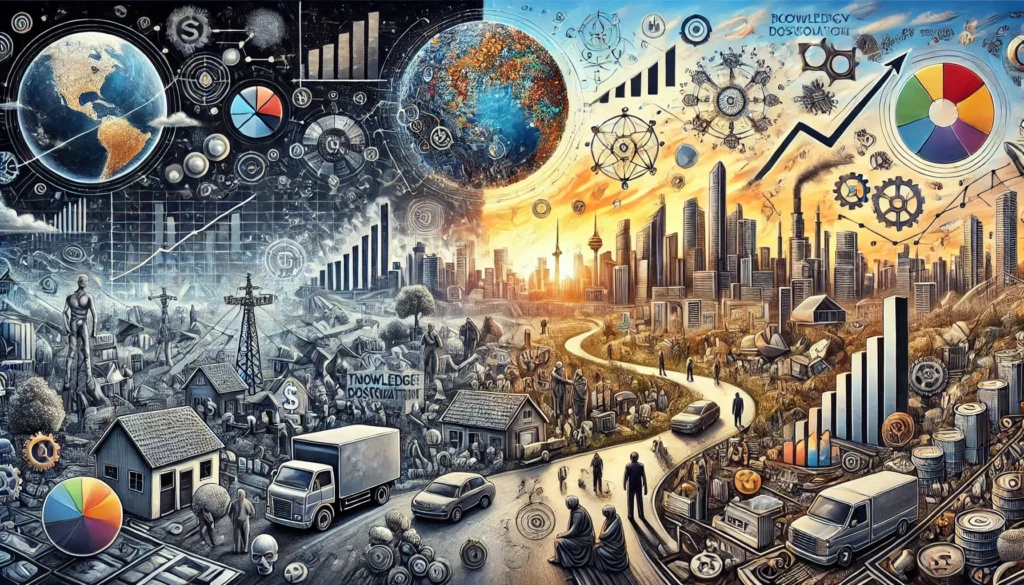
The wealth gap remains a defining feature of global progress. While the advancements in technology and economic growth are evident, the benefits are not equally distributed. This inequality is particularly clear in the ongoing struggles around vaccine equity. Wealthier nations, such as the U.S. and countries in Europe, had access to COVID-19 vaccines early on, while poorer nations struggled to vaccinate their populations. The slow distribution of vaccines in countries like those in sub-Saharan Africa has prompted widespread calls for more equitable distribution and patent sharing.
The World Health Organization (WHO) has been at the forefront of efforts to reduce this gap. However, the fact that some countries, such as the U.S., hoarded vaccines while others went without underlines the reality that progress often benefits those who are already ahead, with the less fortunate left to catch up (source).
4. Innovation’s Dependence on Disparity
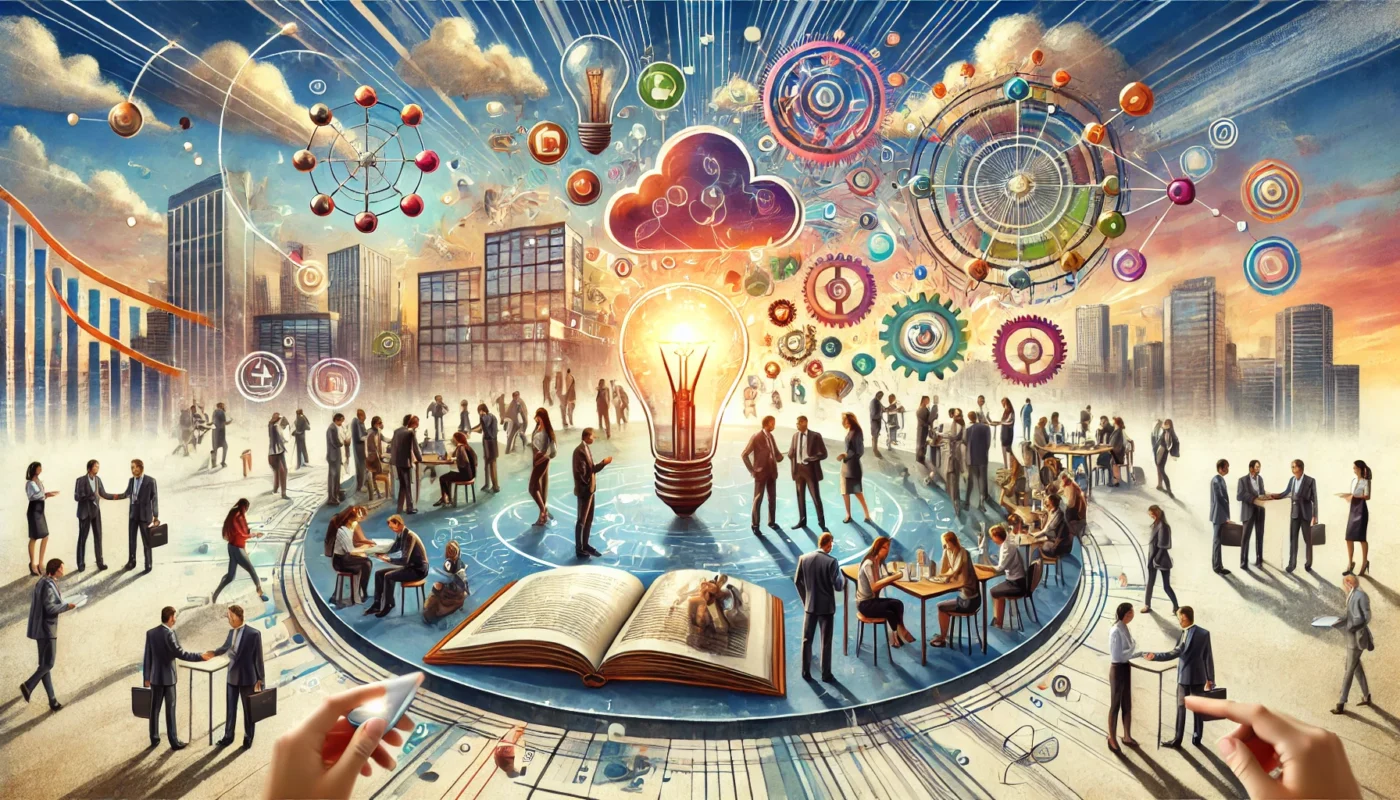
The role of the wealthy in driving innovation has long been controversial. The rich, by virtue of their access to resources, often fund the early stages of technological experimentation, which eventually benefits society as a whole. Electric vehicles (EVs) are a prime example. Initially, EVs were a luxury item for the wealthy, but over time, innovations in battery technology and manufacturing have made them more affordable. As of 2023, EVs have reached a tipping point where they are becoming increasingly accessible to the middle class, with governments like the U.S. providing incentives to increase adoption.
This pattern mirrors historical developments in technology. For instance, the internet, initially developed for military and academic use, was eventually commercialized and made accessible to the masses. Today, internet access is a basic necessity in many parts of the world, further demonstrating how early innovation by the wealthy can pave the way for widespread societal benefits.
5. Progress as a Global Phenomenon
Global progress is now inherently interconnected. In the 21st century, no country is isolated from the technological advances of others. The rise of the digital economy, for example, has been driven by global innovations in computing and communications. While some countries are still developing their digital infrastructure, like India, they benefit from the research and experimentation conducted by the more developed nations.
The economic growth of India is a direct result of the global digital revolution, with the country’s tech industry booming in recent years. According to TechCrunch, India’s rapid adaptation to digital technologies has created a multi-billion-dollar tech sector, spurred by investments from the U.S. and other Western countries (source).
6. Inequality as a Necessary Catalyst for Progress
Inequality is often a byproduct of progress, and it is something that many would rather ignore. However, historical evidence supports the view that some level of inequality is necessary for progress. The inequality between the early adopters of new technologies and the wider population provides the financial resources necessary for the development and scaling of innovations. The U.S. tech industry, for example, thrives because early tech billionaires fund new startups, which, in turn, create industries that benefit society at large. Without these early risks and disparities, many advances would remain unfulfilled.
This is evident in the venture capital sector, where wealthy investors fund start-ups, hoping for a return on investment. The progress made by Silicon Valley companies—like Google, Amazon, and Tesla—has created ripple effects worldwide. Tesla, for example, is now leading the way in the EV market, benefiting not only the wealthy but consumers worldwide.
7. Conclusion: Embracing Progress While Acknowledging Its Costs
In conclusion, progress remains an essential force in human civilization. While it is undoubtedly accompanied by significant challenges and inequalities, it also drives innovation and improves standards of living globally. As the world becomes more interconnected and the pace of technological change accelerates, the task at hand is not to halt progress but to guide it responsibly. With continued adaptation and ethical considerations, progress can be harnessed to benefit all.
Despite the complexities of progress, it is clear that its continued advancement is vital to the betterment of humanity, both within nations and globally. The challenge is ensuring that it remains inclusive and that its benefits, though initially concentrated among the few, eventually reach the many.
SOURCES
- The New York Times – “Global Climate Goals and Green Technologies”
https://www.nytimes.com/2023/03/14/business/energy-environment/global-climate-goals.html - The Guardian – “AI Privacy Rights and Surveillance”
https://www.theguardian.com/technology/2023/jan/10/ai-privacy-rights-surveillance - Harvard Business Review – “AI Bias and What Companies Should Do About It”
https://hbr.org/2023/07/ai-bias-and-what-companies-should-do-about-it - World Health Organization – “Vaccine Equity”
https://www.who.int/news-room/feature-stories/detail/vaccine-equity - TechCrunch – “India’s Tech Growth and Digital Economy”
https://techcrunch.com/2023/05/06/india-tech-growth-2023/