by
by Appointing a Special Counsel to Investigate the Democratic Party
A Case for Transparency and Accountability
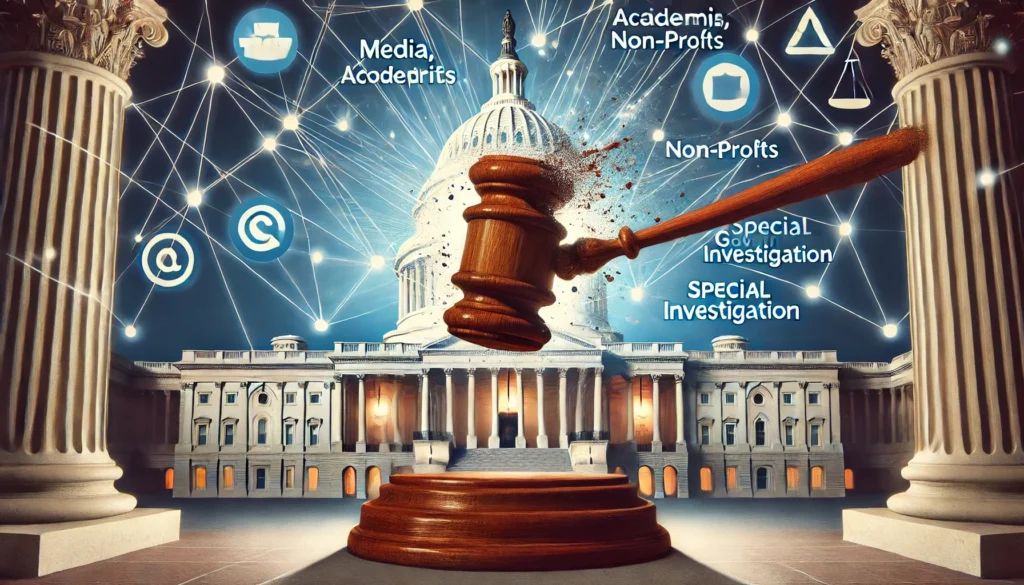
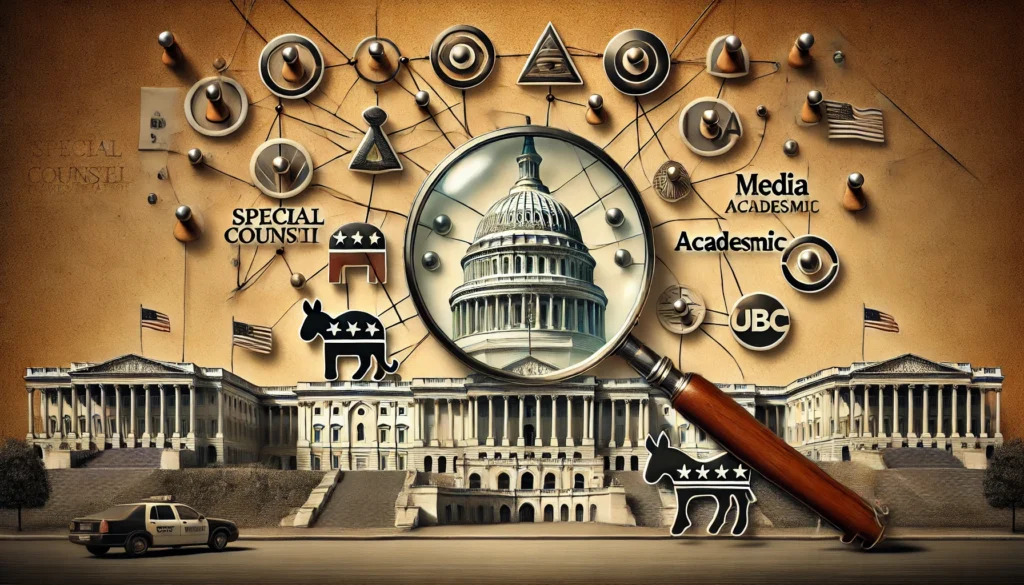
Democracy thrives on transparency, accountability, and the equal application of justice. Recent allegations suggest that the Democratic Party has transformed from a traditional political institution into what some critics describe as a “criminal enterprise” or a “secondary state.” The Party’s alleged control extends beyond politics into media, academia, and even federal institutions. These claims demand a serious and impartial investigation to ensure fairness and restore public trust in democratic systems. Appointing a Special Counsel to investigate the Democratic Party would not only address these concerns but also reaffirm the principle that no political entity is above scrutiny.
Historical Context: The Role of Political Parties in Democracy
The Evolution of Political Parties
Political parties play an essential role in democracy, serving as platforms for debate, policy proposals, and representation of diverse ideologies. Historically, both major parties in the United States—Democratic and Republican—have experienced their fair share of controversy, corruption, and internal challenges. However, there is growing concern that the Democratic Party has increasingly consolidated power, exerting influence far beyond its traditional role.
A Shifting Dynamic
Over the past decade, accusations of systemic corruption and questionable practices within the Democratic Party have surfaced. From internal manipulations during the 2016 Democratic primaries to alleged ties with biased media outlets and tech platforms, critics argue that the Party wields disproportionate control over key institutions. While such claims require thorough investigation, their persistence has sown distrust among the electorate, necessitating action.
Allegations Against the Democratic Party
Operating as a Criminal Enterprise
Critics claim the Democratic Party engages in activities that blur the lines between politics and criminality. Examples include:
- Election Manipulation: Alleged coordination with media and tech companies to suppress stories unfavorable to Democratic candidates, such as the Hunter Biden laptop controversy during the 2020 election.
- Corruption in Funding: Questionable campaign financing practices, including funneling funds through opaque non-profits and political action committees (PACs).
- Targeting Political Opponents: Reports of selective prosecution of Trump allies while ignoring similar or more severe actions by Democratic figures.
Functioning as a Secondary State
The term “secondary state” refers to a political entity that exerts control beyond its constitutional role. Allegations include:
- Influence Over Federal Institutions: Claims that Democratic operatives within the FBI, CIA, and DOJ have manipulated investigations to favor the Party, as seen in the controversial Crossfire Hurricane probe into Trump’s 2016 campaign.
- Media Control: Accusations that major media outlets and social media platforms act as de facto arms of the Democratic Party, promoting favorable narratives while censoring dissenting views.
- Academic Bias: Assertions that academia has become a breeding ground for Democratic ideologies, suppressing alternative perspectives.
Precedents for Special Counsel Investigations
Investigations Targeting Republicans
Special Counsels have historically been appointed to investigate Republican figures, often with significant political consequences. Notable examples include:
- Watergate Scandal (1973): A Special Counsel investigated the Nixon administration, leading to President Nixon’s resignation.
- Iran-Contra Affair (1986): A Special Counsel investigated the Reagan administration’s involvement in arms deals.
- Russia Probe (2017): Special Counsel Robert Mueller investigated alleged collusion between the Trump campaign and Russian officials.
These investigations, while politically contentious, highlight the importance of holding public officials accountable. However, the lack of equivalent scrutiny toward the Democratic Party raises questions about impartiality in the justice system.
The Absence of Parallel Investigations
Despite numerous allegations of misconduct, no comprehensive Special Counsel investigation has been directed at the Democratic Party. This disparity fuels perceptions of a double standard, undermining trust in institutions tasked with ensuring accountability.
Why a Special Counsel Is Necessary
Ensuring Political Accountability
No political party or organization should operate without checks and balances. By appointing a Special Counsel, the government can:
- Hold the Democratic Party Accountable: Investigate claims of corruption, election interference, and misuse of power.
- Restore Public Trust: Demonstrate that all political entities are subject to the same standards of scrutiny.
Uncovering Internal Operations
The Democratic Party’s alleged influence over media, academia, and federal institutions raises significant concerns. A Special Counsel could:
- Investigate Coordination: Examine whether the Party collaborated with external entities to manipulate public opinion or suppress dissent.
- Identify Abuses of Power: Determine whether federal agencies acted under partisan influence to target political opponents.
Scope of the Investigation
Financial Dealings
- Campaign Financing: Investigate the sources and distribution of funds within the Democratic Party and its affiliates.
- Non-Profit Organizations: Examine the role of non-profits in advancing partisan agendas, potentially violating their tax-exempt status.
Media and Academia
- Media Manipulation: Assess whether media outlets have colluded with Democratic operatives to promote biased narratives.
- Academic Bias: Investigate claims of ideological homogeneity in universities and its impact on public discourse.
Federal Agency Involvement
- Law Enforcement and Intelligence: Examine alleged partisan actions within the FBI, CIA, and DOJ.
- Misuse of Power: Investigate whether these agencies targeted Trump and his allies without sufficient evidence.
Potential Challenges and Counterarguments
Political Polarization
- Risk of Further Division: Critics may argue that investigating the Democratic Party would deepen partisan divides. However, transparency is essential to bridging these gaps by addressing legitimate concerns.
- Perceptions of Bias: The investigation must be led by an impartial Special Counsel to avoid accusations of partisanship.
Legal and Ethical Considerations
- Adhering to Legal Standards: The investigation must respect civil liberties and avoid overreach.
- Protecting Whistleblowers: Encourage individuals within implicated institutions to come forward without fear of retaliation.
Benefits of a Thorough Investigation
Restoring Trust in Institutions
By holding the Democratic Party accountable, a Special Counsel investigation would signal that no entity is above the law. This transparency would rebuild faith in democratic processes and institutions.
Strengthening Democratic Integrity
Uncovering and addressing abuses of power ensures that democracy remains resilient against undue influence. A fair and impartial investigation would uphold the principles of justice and equality.
Conclusion: A Call for Action
The allegations against the Democratic Party—ranging from corruption to undue influence over federal institutions—present a clear threat to democratic integrity. Appointing a Special Counsel to investigate these claims is not only justified but necessary. Such an inquiry would reaffirm the principle that no political entity is above scrutiny, restore public trust, and safeguard the foundations of American democracy. Transparency, accountability, and fairness demand that this investigation move forward without delay.