Restrict the Application of the Johnson Amendment
 by
by Re-issue an Executive Order Instructing the Treasury to Restrict the Application of the Johnson Amendment
Introduction: Reclaiming Free Speech for Religious Institutions
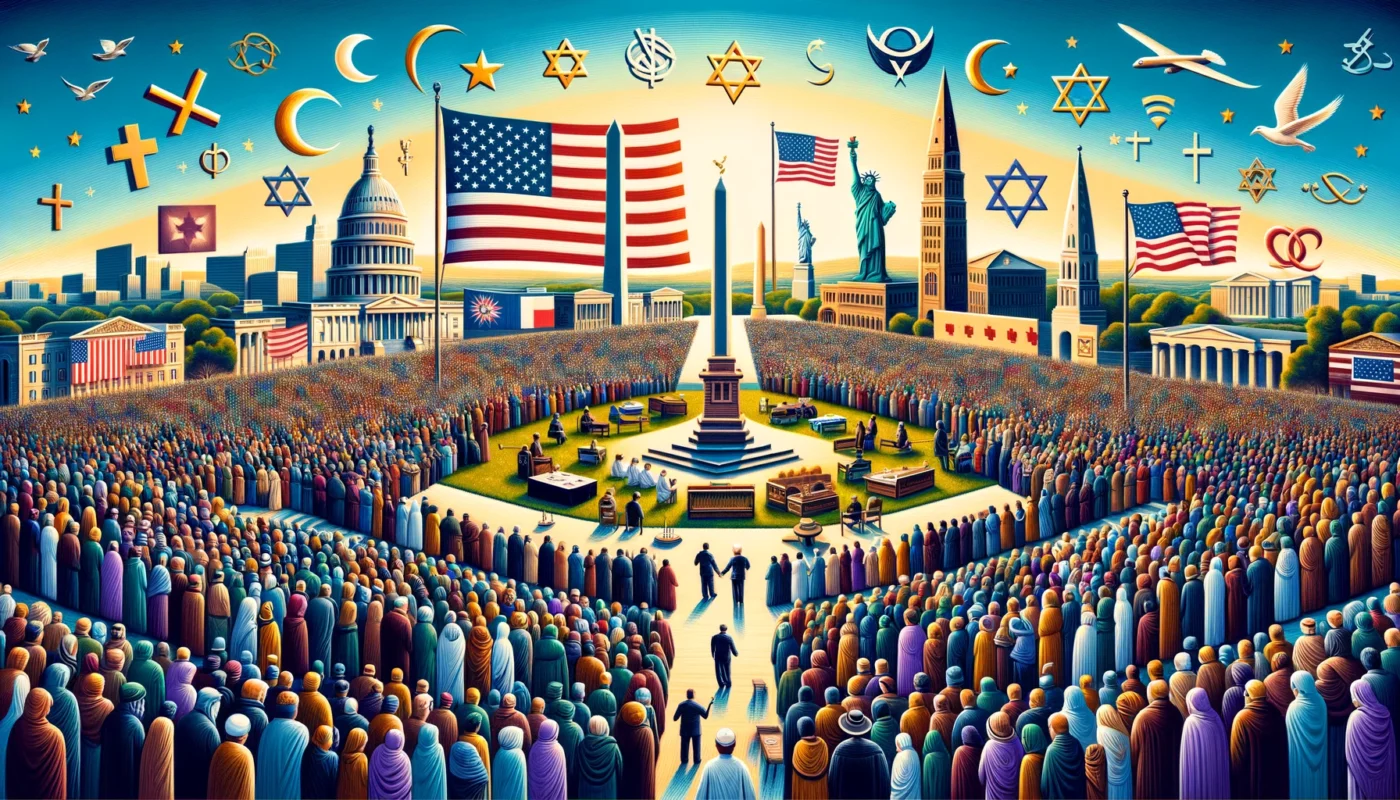
The Johnson Amendment, a provision added to the tax code in 1954, prohibits religious organizations and other tax-exempt entities from engaging in political activity or endorsing political candidates. While it was intended to maintain the separation of church and state, its broad application has stifled free speech in religious communities, silencing the voices of pastors, rabbis, and other faith leaders who wish to address political issues central to their beliefs.
President Trump issued an executive order relaxing the enforcement of this rule during his first term, but this action should be reaffirmed and expanded. Re-issuing the executive order would ensure that religious institutions are no longer unfairly targeted for expressing political opinions, reinforcing their First Amendment rights.
The Case Against the Johnson Amendment
1. Chilling Effect on Free Speech
The Johnson Amendment imposes vague and overly broad restrictions on what religious leaders can say from the pulpit. Fear of losing their tax-exempt status has led many faith leaders to self-censor, avoiding critical discussions about social and political issues that align with their moral teachings. This suppression directly undermines the First Amendment.
2. Unfair Targeting of Religious Organizations
While the Johnson Amendment technically applies to all 501(c)(3) organizations, it has disproportionately affected religious institutions. Secular nonprofits often find ways to navigate the restrictions without scrutiny, whereas churches are more likely to face investigations and penalties for perceived violations.
3. A Historical Perspective
The Johnson Amendment was not enacted as a thoughtful policy to protect democracy; it was introduced by then-Senator Lyndon B. Johnson to silence political opposition from nonprofits in Texas. Its origins reveal that it was never designed to strengthen constitutional principles but to serve a specific political agenda.
The Benefits of Restricting Enforcement
1. Empowering Faith Leaders
Religious leaders have historically played a vital role in shaping public opinion and advocating for justice. From the abolitionist movement to the Civil Rights era, pastors, priests, and rabbis have used their platforms to address the moral questions of the day. By easing the enforcement of the Johnson Amendment, faith leaders can once again become vocal advocates for change without fear of government reprisal.
2. Restoring Balance Between Rights and Regulations
The government’s role should be to protect rights, not restrict them. Reissuing the executive order would restore balance by ensuring that tax regulations do not override constitutional freedoms.
3. Encouraging Civic Engagement
Faith communities are often the most engaged and informed segments of society. Allowing them to participate fully in political discourse would enhance the democratic process, fostering a more informed and active electorate.
How the Executive Order Would Work
1. Defining Clear Guidelines
The executive order would direct the Treasury Department to adopt a narrow interpretation of the Johnson Amendment. For example, religious organizations could be allowed to discuss political issues and endorse candidates, provided they do not use tax-exempt funds for partisan activities.
2. Protecting Religious Institutions from Retaliation
The order would establish safeguards to ensure that religious organizations are not unfairly targeted for investigations. It could include provisions for independent oversight of IRS enforcement actions involving churches and faith-based nonprofits.
3. Encouraging Transparency and Fairness
The order could require the IRS to publicly disclose how it applies the Johnson Amendment, ensuring accountability and preventing arbitrary enforcement.
Evidence Supporting Free Speech for Religious Organizations
1. Historical Evidence
Throughout American history, religious leaders have influenced critical social movements. Without their voices, the abolition of slavery, women’s suffrage, and civil rights would not have progressed as they did. The Johnson Amendment creates barriers to this tradition of moral advocacy.
2. Public Opinion
A Pew Research survey found that 56% of Americans believe churches and other houses of worship should be allowed to express political views. Public sentiment supports loosening the restrictions imposed by the Johnson Amendment.
3. Comparative Perspective
Countries like the United Kingdom allow religious leaders to engage in political discussions without losing their charitable status. The U.S. should align with this more balanced approach, ensuring that freedom of expression extends to faith communities.
Addressing Critics
1. Concerns About Church-State Separation
Critics may argue that restricting the enforcement of the Johnson Amendment violates the principle of church-state separation. However, this executive order would not allow government funding for religious activities or endorse any particular faith. It would simply ensure that religious organizations have the same free speech rights as other groups.
2. Fears of Political Exploitation
Some worry that loosening the Johnson Amendment could lead to churches becoming political machines. This concern can be addressed by maintaining transparency in financial activities, ensuring that political endorsements are separate from tax-exempt operations.
3. Claims of Partisanship
Opponents may view this move as partisan. However, the executive order would apply equally to all religious organizations, regardless of their political leanings. It is a nonpartisan effort to protect constitutional rights.
Recommendations for Implementation
1. Educating Religious Leaders
The Treasury Department should provide clear guidance to religious organizations on what activities are permissible under the new rules. Workshops, webinars, and informational materials could help faith leaders navigate the updated landscape.
2. Establishing Oversight Mechanisms
To prevent abuse, the executive order could create an independent oversight committee to review IRS actions against religious organizations. This would ensure that enforcement is fair and impartial.
3. Promoting Public Awareness
The administration should launch a public awareness campaign to explain the importance of protecting free speech for religious organizations. This could include testimonies from faith leaders, historical examples, and expert opinions.
Conclusion: A Step Toward True Religious Freedom
Reissuing an executive order to restrict the enforcement of the Johnson Amendment would reaffirm America’s commitment to religious liberty and free speech. It would empower faith leaders to address pressing moral and social issues, restore balance between government regulations and constitutional rights, and enhance civic engagement.
By taking this step, the administration would not only protect the rights of religious communities but also strengthen the nation’s democratic fabric. It’s time to ensure that every voice, including those of faith leaders, can be heard without fear or restriction.
Keywords (CSV Format)
Johnson Amendment, religious freedom, free speech, political endorsements, IRS regulations, First Amendment rights, faith leaders, executive order, Treasury Department, tax-exempt status, church-state separation, civic engagement, constitutional rights, public awareness, religious institutions