
 by
by POTUS Should Expand the National Public Health Emergency on Fentanyl and Opioids
Introduction
The opioid epidemic continues to devastate the United States, claiming lives, tearing families apart, and straining public health systems. While the first Trump administration declared the opioid crisis a national public health emergency, the rise of fentanyl—a synthetic opioid 50 times more potent than heroin—demands an even more focused and urgent response. Fentanyl’s prevalence in off-market drugs and its lethal potency have turned an already dire situation into a national catastrophe. The President must act decisively, expanding the current public health emergency and leveraging the White House as a platform to raise awareness and drive solutions.
Background: The Evolution of the Opioid Crisis
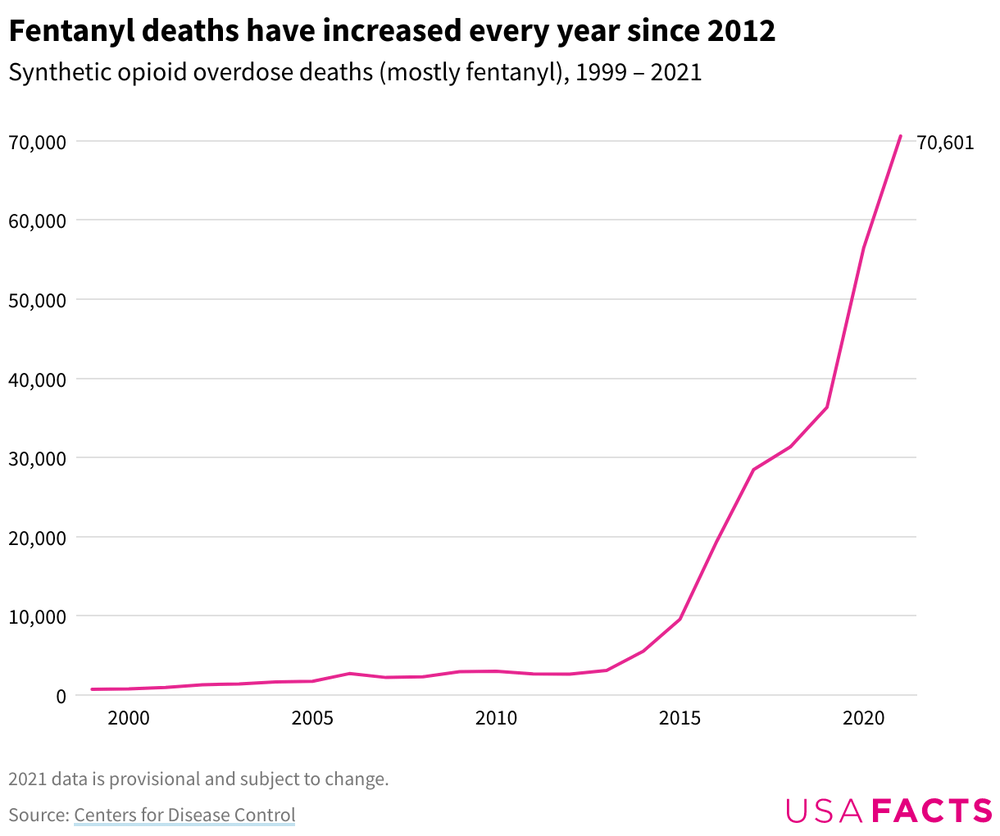
The opioid crisis began with the overprescription of painkillers in the late 1990s, leading to widespread addiction. As regulations tightened around prescription opioids, many individuals turned to heroin, which was cheaper and easier to obtain. In recent years, fentanyl has emerged as the most dangerous player in this epidemic, contributing to over 70,000 overdose deaths in 2021 alone, according to the Centers for Disease Control and Prevention (CDC).
Fentanyl is particularly insidious because it is often mixed with other substances—such as cocaine, heroin, or counterfeit pills—without the user’s knowledge. A dose as small as two milligrams can be fatal. This trend has led to a surge in unintentional overdoses, particularly among young adults who believe they are consuming less potent drugs.
The Case for Expanding the Public Health Emergency
A declaration of a public health emergency is not merely symbolic; it unlocks federal funding, resources, and regulatory flexibility to address the crisis. Expanding the current emergency to specifically focus on fentanyl would allow for a more targeted approach, addressing the unique challenges posed by this substance.
Increased Federal Funding
Federal funds could be directed toward community outreach programs, prevention initiatives, and the development of innovative treatments for addiction. Programs that provide naloxone—a medication that reverses opioid overdoses—could be expanded, ensuring widespread availability in high-risk communities.
Regulatory Flexibility
An expanded emergency declaration could allow for faster approval of new treatment methods and technologies. It could also enable the deployment of mobile clinics and harm reduction services in underserved areas.
Enhanced Law Enforcement
While addressing the supply chain is critical, domestic law enforcement efforts must focus on dismantling fentanyl distribution networks. An expanded public health emergency would empower federal agencies to coordinate more effectively with state and local law enforcement to track and intercept fentanyl shipments.
The Role of the White House: A Bully Pulpit for Awareness
The President has a unique ability to shape public opinion and galvanize action. By using the White House as a bully pulpit, the administration can elevate fentanyl awareness to a national priority.
Public Awareness Campaigns
The White House should launch a comprehensive public awareness campaign, akin to previous efforts against smoking or drunk driving. Such a campaign could educate Americans about the dangers of fentanyl, the signs of an overdose, and the importance of seeking help for addiction.
Addressing Stigma
One of the greatest barriers to combating the opioid epidemic is the stigma surrounding addiction. The President could use public addresses and media appearances to humanize those struggling with substance use disorders, fostering a more compassionate and supportive environment for recovery.
Engaging Stakeholders
The administration should convene stakeholders from across the public and private sectors, including healthcare providers, educators, and community leaders. These partnerships could amplify the reach and effectiveness of awareness initiatives.
Libertarian and Populist Perspectives
Expanding the public health emergency aligns with both libertarian and populist values. From a libertarian standpoint, addressing fentanyl through awareness and prevention empowers individuals to make informed choices about their health and well-being. At the same time, a populist approach recognizes that the opioid epidemic disproportionately affects working-class Americans and rural communities, demanding a response that prioritizes the needs of ordinary citizens over corporate interests or bureaucratic inertia.
Individual Empowerment
A libertarian framework emphasizes the importance of personal responsibility and informed decision-making. Public awareness campaigns provide individuals with the information they need to avoid fentanyl-laced substances and seek help for addiction without infringing on their freedoms.
Defending the Vulnerable
Populism calls for a government that serves the people, particularly those most affected by systemic crises. Expanding the public health emergency would demonstrate a commitment to defending vulnerable populations, from rural communities ravaged by addiction to families who have lost loved ones to fentanyl overdoses.

Proposals for Action
To effectively expand the national public health emergency, the administration should implement the following measures:
- Targeted Federal Funding
Increase funding for state and local initiatives that focus on prevention, treatment, and recovery services. Resources should be allocated based on overdose rates to ensure they reach the hardest-hit areas. - Strengthened International Collaboration
Work with China and Mexico to address the supply of fentanyl at its source. This includes cracking down on precursor chemicals and improving border security to intercept fentanyl shipments. - Comprehensive Data Collection
Establish a national database to track fentanyl-related overdoses and deaths, enabling real-time analysis and more effective allocation of resources. - Expanded Access to Treatment
Ensure that all Americans, regardless of income or location, have access to affordable treatment options, including medication-assisted treatment (MAT) and counseling services. - Community-Based Solutions
Partner with local organizations to implement harm reduction strategies, such as needle exchange programs and supervised consumption sites, which have been shown to reduce overdose deaths and connect individuals to treatment.
Addressing Counterarguments
Critics may argue that expanding the public health emergency could lead to government overreach or excessive spending. However, the costs of inaction far outweigh the investment required to address the crisis. According to a 2018 report by the Council of Economic Advisers, the opioid epidemic cost the U.S. economy over $500 billion annually, factoring in healthcare expenses, lost productivity, and law enforcement costs.
Another potential concern is that focusing on fentanyl could overshadow efforts to address other drugs. However, fentanyl’s unique lethality and role in the current overdose crisis justify a specialized focus. Expanding the public health emergency does not preclude efforts to combat other substances; rather, it enhances the overall response to addiction.
Conclusion
The fentanyl epidemic represents a clear and present danger to the health and safety of the American people. Expanding the national public health emergency to focus on fentanyl is a necessary step toward addressing this crisis. By leveraging the full resources of the federal government and using the White House as a platform for awareness, the President can save lives, empower communities, and reaffirm the nation’s commitment to combating addiction.
This approach not only aligns with libertarian values of individual empowerment and informed choice but also resonates with populist priorities of defending the vulnerable and holding powerful entities accountable. The time to act is now. Every life lost to fentanyl is a preventable tragedy, and decisive leadership can turn the tide in this battle for America’s future.
Originally posted 2022-03-06 14:40:28.