by
by Obama’s Failed Progressive Legacy
A Comprehensive Analysis
On November 4, 2008, voters elected Barack Obama as the 44th president of the United States. Running as a charismatic, left-leaning moderate, Obama inspired millions with his promises of hope and change. However, his presidency revealed him to be a big-government Progressive, intent on expanding the size, scope, and influence of federal authority in ways unprecedented since the New Deal era.
Obama’s two terms in office were marked by ambitious legislative and regulatory agendas that fundamentally altered the relationship between government and the private sector. While some hailed his efforts as transformational, others argued that his policies stifled economic growth, increased inequality, and weakened the middle class. In 2024, the long-term impact of his administration remains a critical topic in American political and economic discourse.
A Legislative Onslaught: The Early Obama Years
The Stimulus Bill and “Shovel-Ready” Disappointment
In February 2009, with Democrats in control of both the legislative and executive branches, Obama signed the American Recovery and Reinvestment Act into law. This $800 billion Keynesian-style stimulus package promised to revitalize the economy through “shovel-ready” infrastructure projects and job creation. Obama’s economic advisers assured Americans that the stimulus would keep unemployment below 8%, but reality painted a starkly different picture.
- Unemployment Surge: By October 2009, unemployment had soared to 10%, and it remained above 8% for the next 43 months—one of the longest periods of sustained high unemployment in modern history.
- “Shovel-Ready” Joke: Two years later, Obama chuckled during a speech, admitting, “Shovel-ready was not as—uh—shovel-ready as we expected.” This casual remark encapsulated the administration’s mismanagement of the stimulus funds.
- Failed Investments: High-profile failures like Solyndra and Fisker—companies that received millions in federal funding only to collapse—highlighted the inefficiency and cronyism inherent in the stimulus program.
Obamacare: A Progressive Milestone and Economic Drag
In March 2010, Obama achieved a long-held Progressive goal with the passage of the Affordable Care Act (ACA), also known as Obamacare. This legislation fundamentally reshaped the healthcare system by mandating coverage, imposing penalties on businesses and individuals, and creating government-run marketplaces.
- Rising Costs: Despite promises of affordability, the ACA led to skyrocketing premiums, driving many young and healthy individuals out of the market.
- Employer Challenges: Businesses faced new mandates, discouraging full-time hiring and encouraging a shift toward part-time work to avoid penalties.
- Public Backlash: By 2024, the ACA remains controversial, with critics arguing that it prioritized government control over market-driven solutions, stifling innovation and competition in healthcare.
Dodd-Frank: Stifling Small Banks and Businesses
Signed into law in July 2010, the Dodd-Frank Wall Street Reform and Consumer Protection Act aimed to prevent another financial crisis. However, its sweeping regulations had unintended consequences:
- “Too Big to Fail” Gets Bigger: Large banks grew even larger, while small community banks—the lifeblood of small businesses—struggled to survive under the weight of new compliance costs.
- Stifling Entrepreneurship: Small businesses, which rely heavily on community banks for loans, faced reduced access to capital, slowing job creation and economic growth.
The Shift to Executive Overreach
When Republicans regained control of the House of Representatives in 2010, Obama pivoted to governing by executive orders and regulatory agencies. His administration unleashed a torrent of new rules, reshaping industries and stifling innovation.
The Regulatory State Expands
Under Obama, the Federal Register of Regulations swelled to nearly 100,000 pages, the largest in history. By 2016, the cost of compliance with federal regulations reached $100 billion annually. Key areas of regulatory overreach included:
- Labor Regulations: The Department of Labor and the National Labor Relations Board implemented policies favoring unions, increasing costs for businesses and discouraging hiring.
- Environmental Restrictions: The EPA’s aggressive mandates drove up energy costs, particularly in coal-dependent states, harming both businesses and consumers.
- Internet Oversight: The Federal Communications Commission (FCC) imposed net neutrality rules, marking the first time the Internet faced federal regulation, sparking debates about free markets versus government control.
Economic Growth Stalled
Despite inheriting a major recession, Obama’s policies failed to generate robust economic recovery. His administration’s GDP growth averaged a dismal 1.5%, even as it projected over 4% growth annually. By comparison, Reagan-era growth averaged 4.4% following a similarly severe recession in the 1980s.
Progressive Goals Achieved at Great Cost
Expanding Government
Obama’s primary achievement was the dramatic expansion of government’s role in American life. From healthcare to finance to energy, his policies placed bureaucrats in positions of control, sidelining the private sector.
Redistributing Wealth
Redistribution of wealth was a cornerstone of Obama’s agenda. However, rather than reducing inequality, his policies exacerbated it. Rising healthcare costs, stagnant wages, and reduced economic mobility disproportionately harmed working- and middle-class Americans.
The Backlash: 2016 and Beyond
Obama’s Progressive policies, while celebrated by his supporters, alienated large swaths of the electorate. By 2016, frustration with stagnant wages, rising costs, and government overreach culminated in a political backlash that helped elect Donald Trump.
The Trump Reversal
President Trump wasted no time dismantling Obama-era regulations and policies:
- Tax Cuts and Deregulation: Trump’s 2017 tax reforms and regulatory rollbacks unleashed economic growth, with GDP averaging 2.9% annually from 2017 to 2019.
- Energy Independence: By prioritizing domestic energy production, Trump reversed Obama’s restrictions on coal and natural gas, reducing energy costs and boosting American competitiveness.
- Judicial Reshaping: Trump appointed judges who limited executive overreach, reversing several Obama-era regulations.
A Legacy of Missed Opportunities
While Obama’s supporters tout his charisma and historical significance, his presidency is increasingly viewed as a missed opportunity for real economic recovery and progress. His reliance on Progressive policies not only failed to deliver promised results but also deepened divisions in the country.
By 2024, the effects of his policies remain evident:
- Healthcare Challenges: The ACA’s structural flaws continue to burden the system, with many Americans facing limited choices and high premiums.
- Economic Inequality: Despite Progressive rhetoric, the gap between rich and poor widened under Obama, as his policies favored large corporations over small businesses.
- Lingering Regulations: While many Obama-era rules have been repealed, their impact lingers, particularly in sectors like finance and energy.
Conclusion: A Cautionary Tale
Barack Obama’s presidency serves as a cautionary tale about the dangers of unchecked government expansion and Progressive policymaking. While his administration succeeded in advancing key Progressive goals, it did so at great economic and social cost. By stifling growth, discouraging innovation, and prioritizing government control over individual freedom, Obama’s legacy highlights the inherent flaws of big-government solutions.
In 2024, the debate over Obama’s impact continues, but one thing is clear: his policies ignited a political and economic backlash that reshaped the nation’s trajectory, ensuring that the lessons of his presidency will not soon be forgotten.
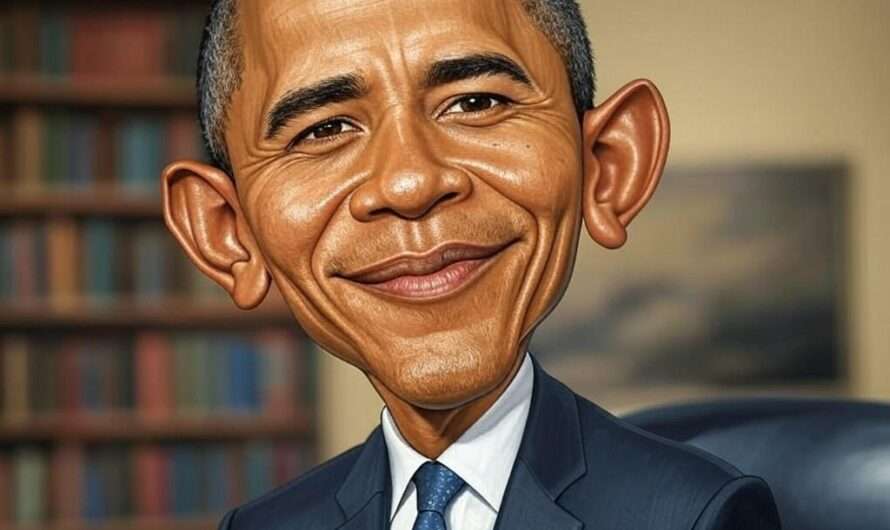
Here is a comprehensive list of Barack Obama’s failures as highlighted by critics during and after his presidency:
Economic Failures
- Weak Economic Growth:
- Average GDP growth under Obama was just 1.5% annually, one of the lowest rates for any modern president.
- Failed to meet administration projections of 4% growth after the 2008 recession.
- Unemployment and Workforce Issues:
- Despite the 2009 stimulus bill, unemployment hit 10% in October 2009 and stayed above 8% for 43 months.
- Labor force participation dropped to a 40-year low during his presidency.
- Failed Stimulus:
- The $800 billion stimulus package produced few tangible results, with Obama later admitting, “Shovel-ready was not as—uh—shovel-ready as we expected.”
- High-profile failures like Solyndra wasted taxpayer money.
- Dodd-Frank’s Unintended Consequences:
- Increased regulatory burdens led to the consolidation of “too big to fail” banks, making them even larger.
- Small community banks, essential for small businesses, struggled under the compliance costs.
- Job Creation Issues:
- Policies such as the Affordable Care Act (ACA) discouraged full-time hiring, pushing businesses to shift workers to part-time roles to avoid mandates.
Healthcare Failures
- Obamacare (Affordable Care Act):
- Promises such as “If you like your doctor, you can keep your doctor” proved false.
- Premiums and deductibles skyrocketed, burdening middle-class families.
- The ACA marketplaces failed to attract enough young, healthy enrollees, destabilizing insurance pools.
- Insurance Market Disruption:
- Millions lost their existing health insurance plans due to non-compliance with ACA standards.
- Increased costs for businesses and individuals created widespread dissatisfaction.
Regulatory Overreach
- Record-Breaking Regulations:
- Federal Register pages reached nearly 100,000, the highest in history, increasing compliance costs for businesses.
- Regulations from the EPA, Department of Labor, and other agencies burdened industries like energy, manufacturing, and finance.
- Energy Sector Stifling:
- The Obama administration imposed strict environmental regulations, harming coal and natural gas industries.
- Keystone XL pipeline rejection symbolized the administration’s hostility toward energy independence.
- FCC Regulation of the Internet:
- Net neutrality rules introduced government oversight of the Internet, sparking debates about free markets and innovation.
Foreign Policy Failures
- Ineffective Handling of Syria:
- The “red line” threat over chemical weapons use by Bashar al-Assad was ignored, damaging U.S. credibility.
- Rise of ISIS:
- The withdrawal of U.S. troops from Iraq created a power vacuum, contributing to the rise of ISIS.
- Iran Nuclear Deal:
- Benghazi Attack:
- The administration faced criticism for its response to the 2012 attack on the U.S. consulate in Benghazi, Libya, which left four Americans dead.
- Russian Aggression:
- Failure to deter Russia’s annexation of Crimea in 2014 exposed weaknesses in Obama’s foreign policy.
- China’s Expansion:
- The administration’s lack of a strong response allowed China to militarize the South China Sea and expand its global influence.
Social and Cultural Failures
- Increased Political Polarization:
- Critics argue that Obama’s rhetoric and policies deepened partisan divisions rather than bridging them.
- Racial Tensions:
- High-profile incidents during Obama’s presidency, including the Ferguson protests, highlighted racial divides, with critics claiming his responses inflamed tensions rather than eased them.
Domestic Policy Failures
- Education Policy Issues:
- Federal initiatives like Common Core faced widespread opposition from parents and educators.
- Gun Control Stalemates:
- Despite significant efforts, Obama failed to pass meaningful gun control legislation, even after events like the Sandy Hook shooting.
- Immigration Policy Failures:
- Efforts to reform immigration stalled, leading to increased use of executive orders such as DACA, which faced legal challenges.
- Deportations reached record highs, earning criticism from both the Left and the Right.
- Veterans Affairs Scandal:
- Widespread mismanagement and long wait times for veterans seeking medical care tarnished the administration’s handling of veterans’ issues.
Economic Inequality and Wealth Redistribution
- Stagnant Wages:
- Wage growth remained stagnant for much of his presidency, failing to improve opportunities for middle- and working-class Americans.
- Increased Income Inequality:
- Despite Progressive rhetoric, income inequality widened during Obama’s tenure, with benefits accruing disproportionately to wealthier individuals and large corporations.
- Redistribution Without Growth:
- Policies focused on wealth redistribution rather than economic growth, limiting opportunities for advancement.
Missed Opportunities
- Failed to Foster Bipartisanship:
- Obama’s distant relationship with Congress, particularly after 2010, led to legislative gridlock.
- Overpromising and Underdelivering:
- Signature promises like a unified healthcare system, a revitalized economy, and global leadership were not realized as envisioned.
Legacy of Weak Recovery
- Lingering Economic Uncertainty:
- Businesses hesitated to invest due to the regulatory environment and uncertainty about long-term costs.
- Loss of Trust in Institutions:
- Widespread dissatisfaction with government inefficiency contributed to the political backlash that helped elect Donald Trump in 2016.
- Setting the Stage for a Populist Rebellion:
- The failures of Progressive policies during Obama’s presidency galvanized working- and middle-class voters, reshaping American politics for years to come.
SOURCES
- “Barack Obama’s Failed Presidency” – Hoover Institution
- This article critiques Obama’s policies, particularly in areas like global warming and environmental regulations.
- “21 Pros and Cons of Barack Obama’s Presidency” – ConnectUS
- An analysis of the advantages and disadvantages of Obama’s tenure, discussing economic challenges and policy decisions.
- “The Surprising Failure of the Obama Presidency” – Policy Options
- This piece explores perceived shortcomings in Obama’s administration, including political management and crisis response.
- “What Marks Does Obama’s Presidency Deserve?” – BBC News
- A comprehensive evaluation of Obama’s achievements and failures across key policy areas.
- “Barack Obama: One of America’s Worst Presidents in U.S. History?” – The National Interest
- An opinion piece discussing controversies and scandals during Obama’s presidency.
- “Why Barack Obama’s Presidency Failed” – The National Interest
- An analysis of the factors contributing to the perceived failures of Obama’s administration.
- “The Fragile Legacy of Barack Obama” – Brookings Institution
- This article examines the sustainability and impact of Obama’s policy initiatives.
- “List of Public Scandals: Obama Presidency” – ThoughtCo
- A compilation of controversies and scandals that occurred during Obama’s time in office.
- “Obama’s Failed Foreign Policy” – Harvard Kennedy School
- A critique of Obama’s foreign policy decisions and their global implications.
- “Barack Obama’s Shaky Legacy on Human Rights” – Human Rights Watch
- An assessment of Obama’s human rights record during his presidency.