 by
by The Case for a Return to Amateur Olympics
We should Shift the Olympics from Professional Dominance to Amateur Roots
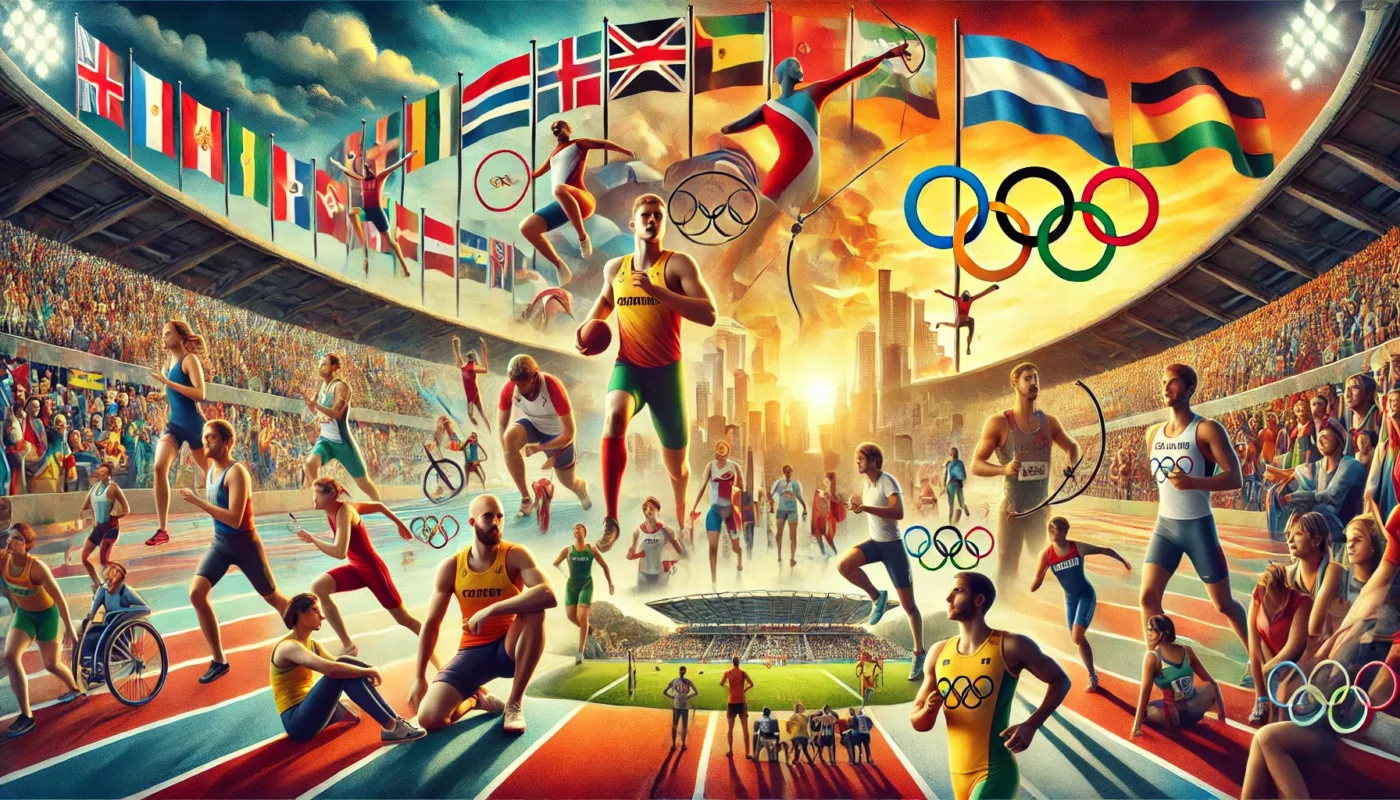
The modern Olympic Games, rooted in the tradition of amateur competition, have strayed from their foundational principles, increasingly dominated by professional athletes. This shift has sparked debates about the true spirit of the Olympics and its accessibility to ordinary people. A return to amateur participation could align more closely with populist policies that prioritize the common good and celebrate community and national pride over commercial success.
The concept of an “Amateur Olympics” aligns well with populist ideals for several key reasons, emphasizing fairness, inclusivity, and a rejection of elitism. Here’s why a return to amateur participation in the Olympics resonates with populist principles:
1. Promotion of Equality and Fairness
Populism thrives on the notion of fairness and equal opportunities for all, particularly for the ‘ordinary’ citizen against the perceived elite or privileged classes. By restricting Olympic participation to amateurs, the games would symbolically level the playing field, ensuring that athletes compete based on talent and dedication rather than access to professional resources and elite training facilities. This appeals directly to populist values of justice and equity in societal structures.
2. Reduction of Commercial Influence
A core tenet of populism is skepticism towards large corporations and commercial entities, which are often seen as having undue influence over public institutions and traditions. Professional athletes, often sponsored by major brands, can be viewed as part of a commercial machine that undermines the purity and authenticity of the games. An amateur Olympics would minimize these commercial influences, resonating with populist critiques of corporatization and commercialization in public spaces.
3. Enhancement of Community and National Pride
Populism often emphasizes national pride and the importance of community. Amateur athletes, typically not detached from their local or national communities by layers of professional management, are seen as more genuine representatives of their countries and localities. Their successes on the world stage are a source of communal pride, seen not as personal or professional triumphs, but as victories for their hometowns and nations.
4. Accessibility and Inclusivity
Populism is about raising the voice and concerns of the average individual. By focusing on amateurs, the Olympics could be more inclusive, allowing a wider array of participants from diverse backgrounds who might not have the means or desire to pursue professional athletics. This inclusivity underpins populist calls for a more democratic and accessible world where everyone has the opportunity to succeed.
5. Rejection of Elite Dominance
At its heart, populism rejects the dominance of elites and experts, which in the context of the Olympics, can be seen as professional athletes and the industries that support them. By promoting amateurism, the Olympics would symbolically reject the notion that only those with professional training and backing are worthy of competing, a notion that mirrors populist resistance to expert and elite dominance in political and social spheres.
6. Fostering of Genuine Meritocracy
Populists often advocate for a meritocratic system where success is based on merit, not connections or capital. An amateur Olympics champions this idea, proposing that the games should be a contest of pure skill and spirit, untainted by professional endorsements or commercial interests. This aligns with the populist ideal of a society where success comes from hard work and talent, not financial might or professional status.
In essence, the proposal for an Amateur Olympics captures the populist spirit by championing fairness, reducing elite influence, enhancing national pride, and promoting inclusivity—key principles that resonate deeply with populist supporters globally. This reformation would not only restore the historical ethos of the Olympics but would also reframe them as a truly populist event, aligning with the broader values of equality, community, and national celebration.
Reasons for Returning to Amateur Olympics
- Equity in Competition
- Search for articles or studies on the history of the Olympics in databases like JSTOR or Google Scholar. Look for papers discussing the original Olympic Charter and its emphasis on amateur competition.
- Reduced Commercialization
- Explore journals focusing on sports ethics or sports management for research on the impact of commercialization on sports. Useful keywords might include “commercialization in sports” and “Olympic Games sponsorship impact.”
- Greater Accessibility
- Look for Olympic Charter documents or IOC publications that discuss the principles of inclusivity and accessibility in the Olympic Games.
- Enhanced National Pride
- Surveys on national pride and Olympic participation might be available through sports psychology journals or national sporting associations’ websites.
- Development of Local Sports
- Community sports development journals or sports education publications often discuss the impact of focusing on grassroots sports development.
- Preservation of Olympic Ideals
- Historical accounts or biographies of Pierre de Coubertin available through academic libraries or online educational resources could provide insight into the original ideals of the Olympic Games.
- Encouragement of Youth Participation
- Government or educational institution reports on youth sports participation can provide evidence of the benefits of amateur sports for youth development.
- Reduction in Doping and Corruption
- Annual reports from anti-doping agencies like WADA (World Anti-Doping Agency) and research on corruption in professional sports could be useful.
- Support for Broader Representation
- Studies on sports participation by demographic might be found in sports sociology journals or IOC diversity reports.
- Strengthening of International Bonds
- Research the Olympic Truce and initiatives for promoting peace through sports, available in peace studies journals or through the United Nations Office on Sport for Development and Peace.
Conclusion
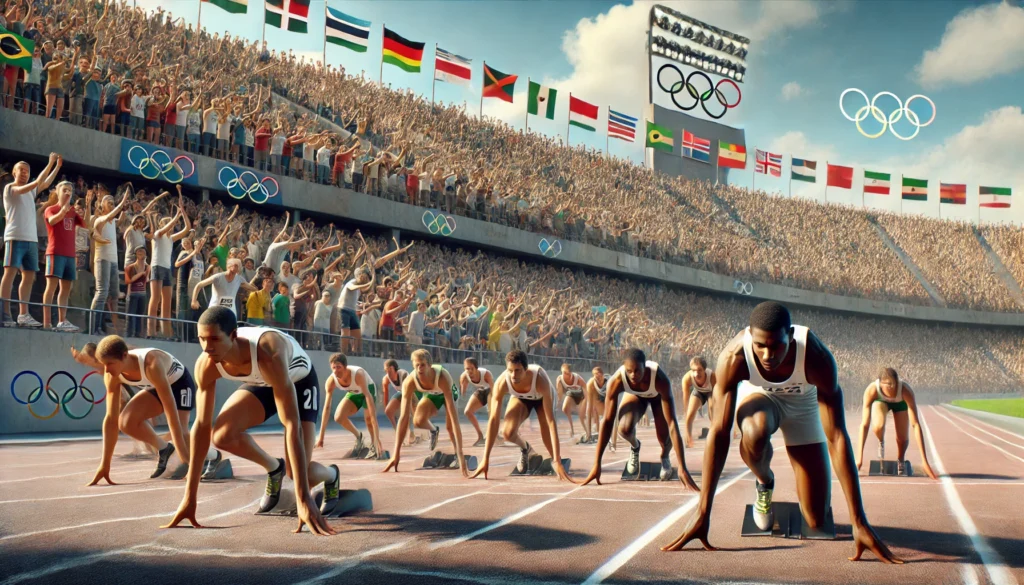
Reinstating the amateur status in the Olympics aligns with populist policies by promoting equity, reducing commercialization, and enhancing the true spirit of international camaraderie. It places the focus back on the athletes and the games themselves, ensuring that the Olympics remain a source of global unity and pride, celebrating ordinary individuals achieving extraordinary feats. This shift would not only revive the original values of the Olympics but also serve the greatest good by making the games more accessible and representative of all people.
Originally posted 2024-08-08 01:54:07.