Recent political developments have propelled the term “populism” to the forefront…
At last, the significance of populism is widely recognized. Recent political developments have propelled the term “populism” to the forefront of global discussions. While populism has been a recurring theme in headlines for the past two decades, its relevance today has reached new heights, captivating policymakers, pundits, and scholars alike. This phenomenon, which both undermines and revitalizes democracy, often ignites partisan debates that extend well beyond academic circles. Yet, many first-time observers of populism start with a blank slate, inadvertently neglecting the robust and expanding body of scholarly work on the subject. This inclination is understandable, given that the literature on populism can appear overwhelming. The rise of populism has spawned an extensive array of research, with contributions from country specialists, comparative political analysts, and scholars of normative political theory. However, contrary to appearances, this literature is not as fragmented as some might suggest. There exists a cohesive and valuable body of research that deserves attention and further development.
Populist Policy.org aims to consolidate this state-of-the-art knowledge, serving as a resource not only to present accumulated insights but also to identify ongoing discussions and research gaps. By bridging the divide between disparate strands of scholarship, it seeks to chart a clearer path forward for the academic community.
Populist Leaders and Movements
Over the past two decades, numerous populist leaders and movements have risen to prominence across the globe. Below is a list highlighting some of these figures, their respective countries, and the movements they led:
This list is not exhaustive but highlights key populist figures and movements that have significantly influenced their nations’ political landscapes over the past two decades.
PopulistPolicy.org — A lively cartoon of government officials at work, with exaggerated expressions, passing laws that prioritize – US Populism
A Fragmented but Maturing Field
A review of the existing literature on populism reveals several defining characteristics. First, the research landscape is notably fragmented. Empirical studies on populism often focus on specific countries or regions, largely due to the logistical and financial challenges of cross-national and cross-regional comparisons. This regional focus, while practical, has its drawbacks. Studies frequently fail to engage with findings from other geographic contexts, treating localized manifestations of populism as universally applicable. This insular approach hampers the cumulative nature of the field, leading to what social scientists term the “exception fallacy”—drawing general conclusions from specific cases.
Despite these challenges, the field has reached a level of maturity. Scholars are increasingly examining populism not only as an insurgent force but also as a governing phenomenon. This evolution is evident in the shift away from ad hoc theorizing based on isolated case studies toward the development of region-specific and context-sensitive theoretical frameworks. For example, research on populist radical right parties in Western Europe has contributed significantly to our understanding of how populist movements evolve and interact with democratic institutions.
Populism as a Mainstream Academic Topic
Another notable feature of populism research is its integration into the mainstream of political science discourse. This trend mirrors the political reality: populism, in various forms, has become a recurring and influential feature of contemporary politics. From Australia to Ecuador, France to Thailand, and Poland to the United States, the rise—and in some cases, fall—of populist actors has cemented populism’s place in the political landscape. Surveys and data from organizations like Pew Research Center and the World Values Survey underscore this trend, showing increased public support for populist leaders in diverse contexts.
This mainstreaming of populism in academia reflects not only its global relevance but also the growing sophistication of the scholarship. With the partial exception of the United States, where populism is often analyzed through a more limited lens, the phenomenon has become a critical topic across all subfields of political science, including comparative politics, international relations, and political theory.
Populism’s Practical and Normative Implications
Finally, the study of populism is deeply intertwined with practical politics. The term is frequently weaponized to advance or discredit political agendas, both in media and within academic circles. This dual function creates a unique challenge for scholars: the need to engage with the political world while maintaining academic rigor. Populism scholars often find themselves in a delicate position, navigating between objective analysis and the inherently politicized nature of their subject.
Structuring the Handbook
Populist Policy.org offers a comprehensive exploration of these themes through four key sections. First, it provides a concise historical overview of populism, tracing its evolution from its 19th-century origins to its 21st-century resurgence. Second, it examines the development of populism scholarship since the 1990s, with a particular focus on the proliferation of academic articles in leading political science journals. Third, it outlines the organization of the Handbook, explaining the rationale behind the selection of topics and contributors. Finally, it concludes with reflections on future research directions, offering a roadmap for scholars interested in advancing the study of populism.
The Way Forward
As populism continues to shape political landscapes worldwide, its study remains as relevant as ever. Future research must address the gaps identified in existing literature, including the need for more cross-regional comparisons and interdisciplinary approaches. Scholars would do well to incorporate insights from sociology, economics, and psychology to build a more holistic understanding of populism. The interplay between populism and digital technology, particularly social media, is another promising area for exploration, as platforms like Facebook and Twitter increasingly serve as vehicles for populist messaging.
In conclusion, the study of populism is no longer the domain of a niche academic audience. It is a vibrant and essential field of inquiry that not only sheds light on contemporary politics but also provides critical insights into the future of democracy. By building on the wealth of existing research, scholars can contribute to a more nuanced and actionable understanding of populism in all its complexity.
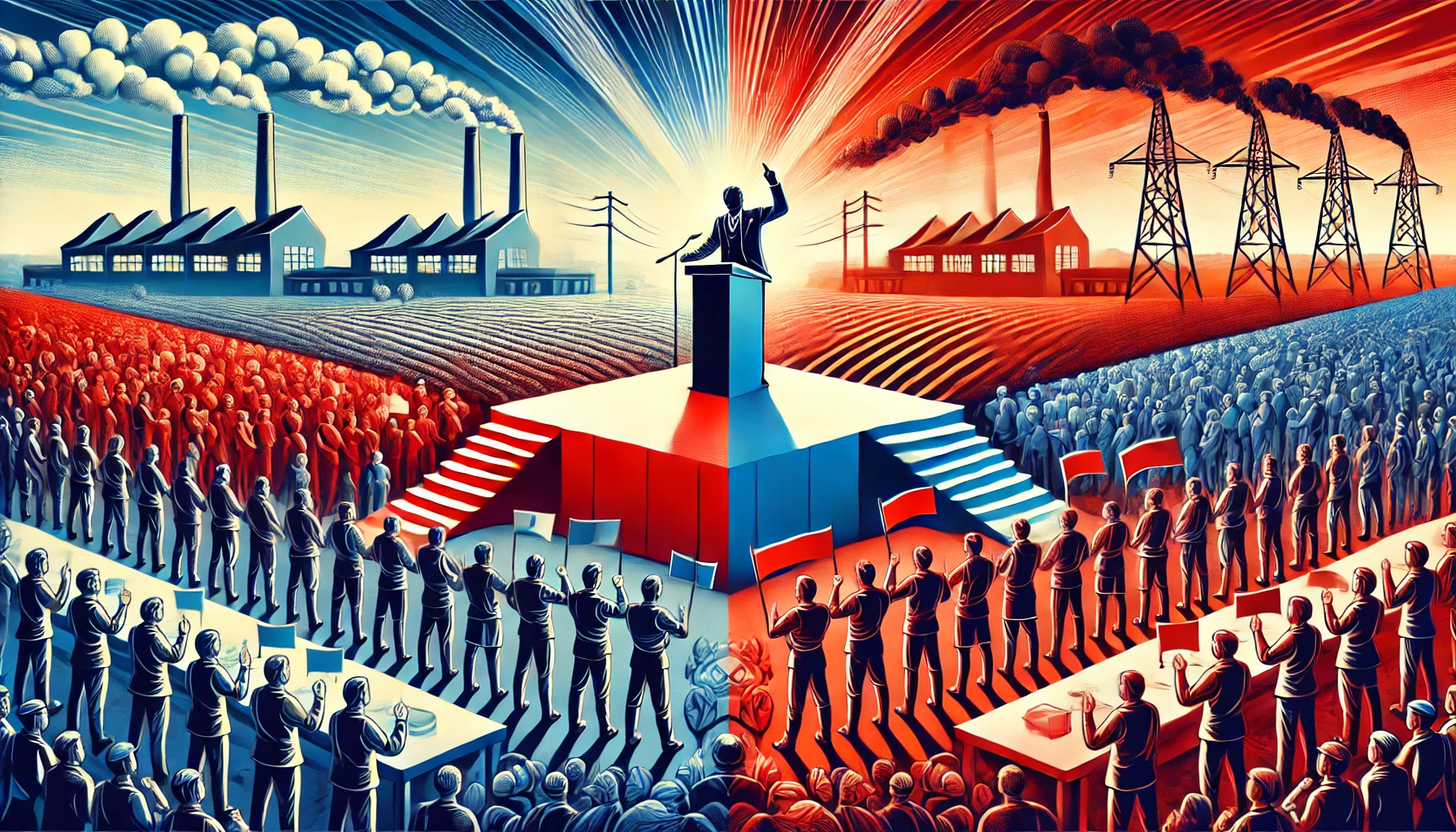
PopulistPolicy.ORG — A thought-provoking illustration depicting the concept of populism. The image shows a charismatic speaker stan– Populism & Alan Nafzger 1
Originally posted 2022-06-15 13:09:33.
Chloe Meng
Chloe Meng, a contributing writer for National Review, analyzes the shifting ideologies driving American politics. With a Ph.D. in Political Philosophy from the University of Chicago, Chloe’s essays bring depth and clarity to complex issues. Her widely discussed piece, "The Independent Tide," explored the growing influence of third-party voters and was praised for its intellectual rigor.

 by
by