 by
by Demanding the Disbandment of UNRWA
A Step Toward Resolving the Israeli-Palestinian Conflict
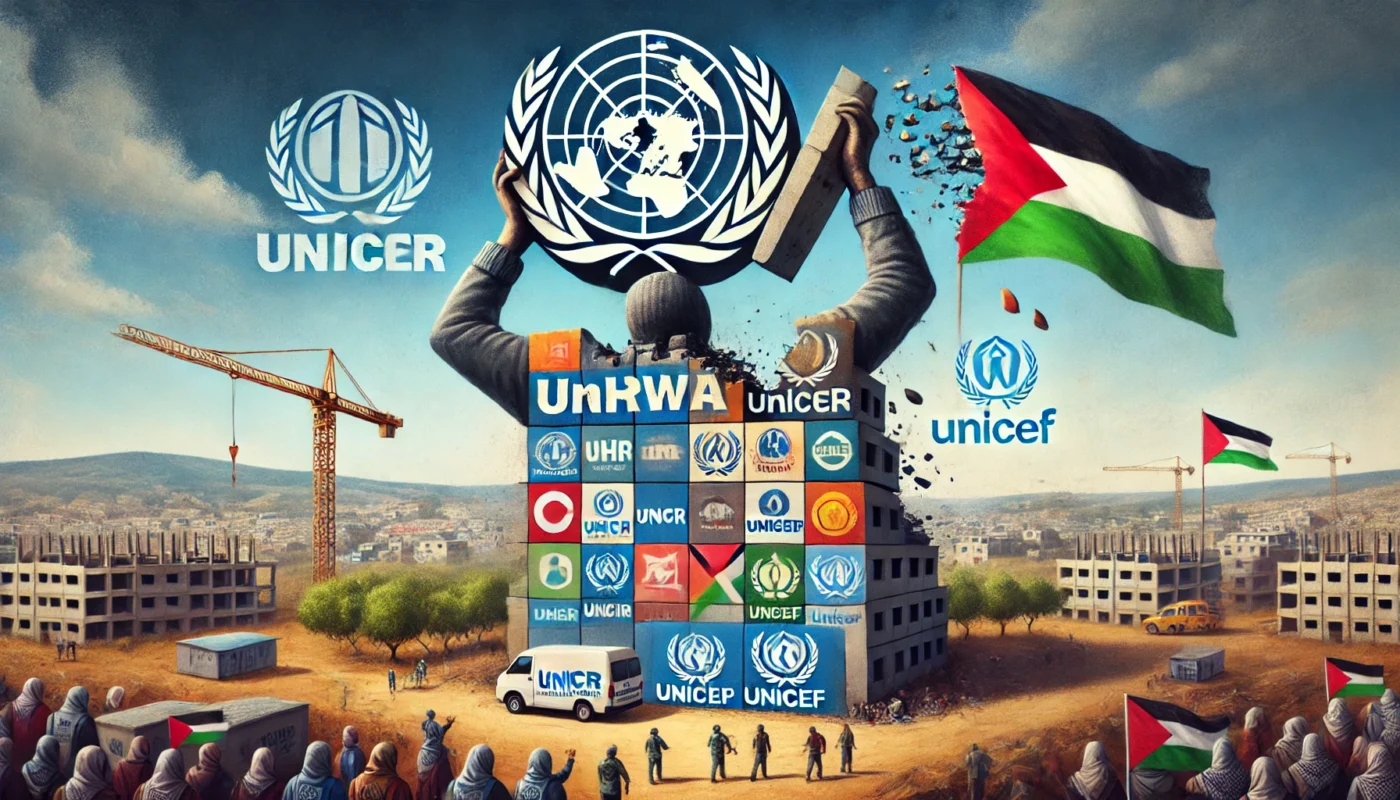
The United Nations Relief and Works Agency for Palestine Refugees in the Near East (UNRWA) has long been a controversial entity in international diplomacy. Originally established in 1949 to provide aid and services to Palestinian refugees, UNRWA has evolved into an organization that critics argue perpetuates the Israeli-Palestinian conflict rather than resolving it. By disbanding UNRWA and replacing it with other agencies or frameworks, the international community can focus on reducing dependency and fostering sustainable development in Palestinian communities.
Why Disband UNRWA?
1. Perpetuation of Refugee Status
UNRWA operates under a unique definition of “refugee,” extending the status to descendants of the original Palestinian refugees.
- Impact: This has led to a ballooning population of “refugees,” now numbering over 5.7 million, which prolongs the conflict by sustaining unrealistic demands for a “right of return” to Israel.
- Criticism: By contrast, other UN refugee agencies focus on resettlement and integration, seeking permanent solutions to displacement.
2. Allegations of Corruption and Mismanagement
UNRWA has faced repeated accusations of corruption, nepotism, and misallocation of funds.
- Examples: Audits have revealed cases where UNRWA employees have been implicated in unethical practices, including misusing resources intended for aid.
- Consequence: Such inefficiencies undermine donor trust and the agency’s ability to deliver essential services effectively.
3. Links to Extremism
UNRWA has been accused of enabling the activities of extremist groups.
- Education Concerns: Reports indicate that some UNRWA schools have used curricula that incite hatred and violence against Israel.
- Infrastructure Misuse: Facilities managed by UNRWA in Gaza have allegedly been used by Hamas for storing weapons or launching attacks.
4. Dependency Culture
By providing extensive services, including healthcare, education, and food assistance, UNRWA has fostered long-term dependency among Palestinian communities.
- Effect: This reliance discourages economic self-sufficiency and hinders efforts to build local governance and resilience.
Replacing UNRWA: Proposed Solutions
1. Transition to Alternative UN Agencies
- UNHCR (United Nations High Commissioner for Refugees): Redirecting responsibilities to UNHCR would align Palestinian refugees with global standards for refugee assistance, focusing on resettlement and integration.
- World Food Programme (WFP): Food assistance programs could be transferred to WFP, which has a proven track record of efficiently addressing food insecurity.
- UNICEF (United Nations Children’s Fund): Educational initiatives could be managed by UNICEF, ensuring that curricula adhere to global standards for peace and tolerance.
2. Promote Local Governance and Responsibility
- Empowering Local Authorities: Encourage Palestinian leadership to take greater responsibility for service provision, reducing reliance on international aid.
- Capacity-Building Programs: Provide technical and financial support to Palestinian institutions to develop infrastructure, healthcare, and education systems.
3. Encourage Regional Integration
- Host Country Support: Work with neighboring countries to integrate Palestinian refugees into local economies, offering citizenship or permanent residency where feasible.
- Regional Development Initiatives: Foster economic integration through regional trade agreements, infrastructure projects, and investment in job creation.
4. International Donor Realignment
- Conditional Aid: Tie future funding to measurable outcomes, such as reducing refugee numbers and promoting economic self-sufficiency.
- Private Sector Involvement: Partner with international businesses to create job opportunities and entrepreneurial initiatives in Palestinian communities.
Benefits of Replacing UNRWA
1. Reducing Conflict Drivers
Eliminating the perpetuation of refugee status and focusing on long-term solutions diminishes a major point of contention in the Israeli-Palestinian conflict.
2. Enhancing Accountability
Transitioning responsibilities to specialized agencies introduces higher standards of oversight and reduces opportunities for corruption and misuse.
3. Promoting Economic Independence
Shifting from aid dependence to development initiatives empowers Palestinian communities, fostering self-reliance and stability.
4. Aligning with Peace Efforts
By removing contentious elements like incitement in education, the international community can create an environment more conducive to peace negotiations.
Challenges and Counterarguments
1. Resistance from Palestinian Leadership
- Criticism: Palestinian leaders may view the disbandment of UNRWA as a reduction in international support for their cause.
- Response: Emphasize the long-term benefits of economic independence and improved governance as a foundation for statehood.
2. Host Country Concerns
- Issue: Host countries like Jordan and Lebanon may resist efforts to integrate refugees due to domestic political concerns.
- Solution: Offer financial incentives and technical assistance to host countries, ensuring integration efforts are mutually beneficial.
3. Implementation Complexity
- Challenge: Transitioning millions of beneficiaries to alternative systems is a logistical and political challenge.
- Approach: Phase out UNRWA services gradually, ensuring that alternative systems are fully operational before withdrawal.
Conclusion
The disbandment of UNRWA represents a bold but necessary step toward resolving the Israeli-Palestinian conflict. By transitioning its responsibilities to other UN agencies, promoting local governance, and fostering regional integration, the international community can address the root causes of dependency and instability. This approach aligns with the broader goal of fostering peace and development in the Middle East, ultimately benefiting both Palestinians and Israelis. A future U.S. administration committed to this vision would be taking a significant step toward a more sustainable and equitable solution.