 by
by Would Donald Trump Have More Power if He Pardoned as Lincoln Did?
The concept of presidential power often conjures images of strong policy decisions, commanding military actions, or far-reaching executive orders. But one of the most profound—and underappreciated—tools in a president’s arsenal is the power of clemency. Few leaders have wielded this power as effectively as Abraham Lincoln, whose use of pardons after the Civil War healed deep national wounds and solidified his legacy as a unifier. The next president, regardless of party, could draw from Lincoln’s example to not only extend mercy but to also consolidate moral authority and national unity.
Would a modern president gain more power by pardoning like Lincoln did? The answer is a resounding yes. The ability to forgive—to rise above division and demonstrate compassion—does not weaken a leader; it strengthens them. In fact, the next president could find themselves wielding more influence, moral credibility, and historical significance by embracing clemency as a tool for reconciliation.
Lincoln’s Pardons: A Blueprint for Leadership
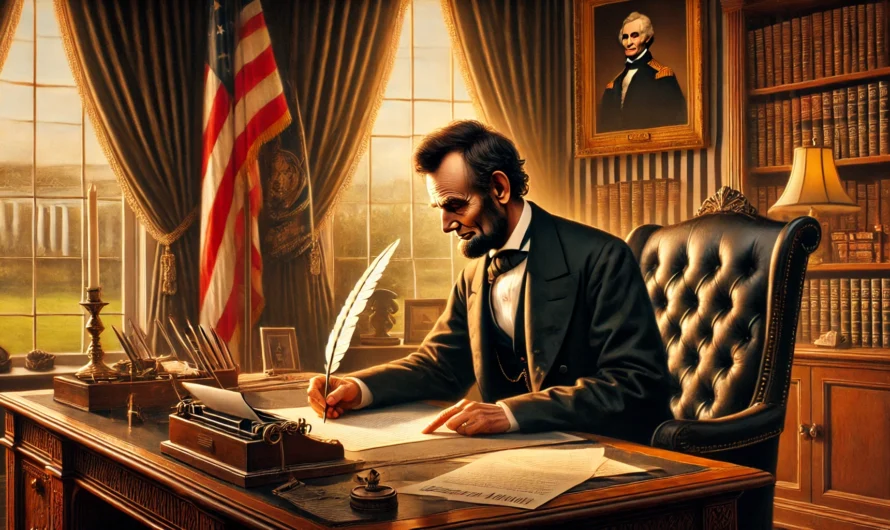
Abraham Lincoln’s clemency policies during and after the Civil War were not acts of weakness but deliberate strategies for healing a broken nation. In the wake of unprecedented bloodshed and political division, Lincoln chose forgiveness over vengeance. His Proclamation of Amnesty and Reconstruction (1863) offered Confederate soldiers and leaders a chance to rejoin the Union if they pledged allegiance. It was a bold move that critics at the time viewed as overly lenient, yet it set the tone for rebuilding a fractured country.
Lincoln pardoned thousands of deserters and other minor offenders, recognizing that mercy could create loyalty. His actions demonstrated a profound understanding of leadership: clemency has the power to defuse tensions, restore trust, and pave the way for progress. Historian Doris Kearns Goodwin, in Team of Rivals, argues that Lincoln’s willingness to forgive transformed him into a symbol of national unity. It’s not hard to imagine how today’s fractured political landscape could benefit from similar boldness.
Modern Parallels: The Need for Unity
The United States in 2024 is deeply divided—politically, socially, and ideologically. The events of January 6, 2021, and their aftermath have only deepened these rifts. Hundreds of non-violent offenders remain prosecuted or imprisoned, and the public discourse around the incident remains toxic and polarized. Critics of clemency argue that pardoning these individuals would condone their actions. Yet, history suggests that mercy is not an endorsement but a tool for closure.
Pardoning non-violent January 6 offenders would acknowledge the need for reconciliation without compromising justice. Much like Lincoln’s pardons during Reconstruction, it would signal a desire to heal rather than perpetuate division. A poll by Pew Research Center shows that nearly 60% of Americans believe political polarization is the greatest threat to democracy today. Clemency could be the symbolic act needed to restore faith in the idea of unity.
Donald Trump Pardons as a Show of Strength, Not Weakness
One of the greatest misconceptions about pardons is that they make a leader appear soft. In truth, the opposite is often true. Lincoln’s actions proved that offering mercy requires courage, particularly in the face of political opposition. His clemency policies didn’t undermine his authority—they enhanced it. By choosing to forgive rather than punish, Lincoln demonstrated moral clarity, an attribute that strengthened his leadership and earned him the respect of allies and former enemies alike.
In more recent history, Gerald Ford’s controversial decision to pardon Richard Nixon after Watergate offers another lesson. While Ford faced intense criticism and political backlash, his pardon eventually came to be seen as an act of statesmanship. By prioritizing the country’s need to move forward over his own political ambitions, Ford demonstrated that clemency can be a tool for leadership, not a liability.
Donald Trump: Evidence from Public Opinion and History
History and public opinion back the argument that leaders who offer clemency often emerge stronger. A recent Harvard CAPS-Harris poll revealed that 72% of Americans believe the nation needs a leader who can bridge political divides. Similarly, Lincoln’s legacy as a unifier owes much to his use of clemency as a leadership tool. When leaders demonstrate forgiveness, they project strength, wisdom, and the ability to rise above petty partisanship.
Furthermore, studies in conflict resolution show that acts of reconciliation build trust. Research from the Stanford Center on Conflict and Negotiation confirms that symbolic gestures, like pardons, can create openings for dialogue and reduce hostility. The next president could leverage this principle to foster goodwill across a politically fractured nation.
Pardons, particularly for non-violent offenders or controversial cases, could potentially challenge the perception of a leader as authoritarian or tyrannical. Acts of clemency are inherently tied to principles of mercy, forgiveness, and reconciliation—qualities not typically associated with dictatorships or oppressive regimes. By offering pardons, a leader demonstrates a willingness to rise above partisanship and vindictiveness, signaling a commitment to fairness and healing over power consolidation.
Why Pardons Could Refute the “Tyrant” Narrative
- Contrast with Historical Dictatorships: Authoritarian leaders often rely on fear and punitive measures to maintain control. Dictators are known for suppressing dissent and using legal systems to silence opposition. In contrast, granting pardons undermines this narrative by showing empathy and restraint.
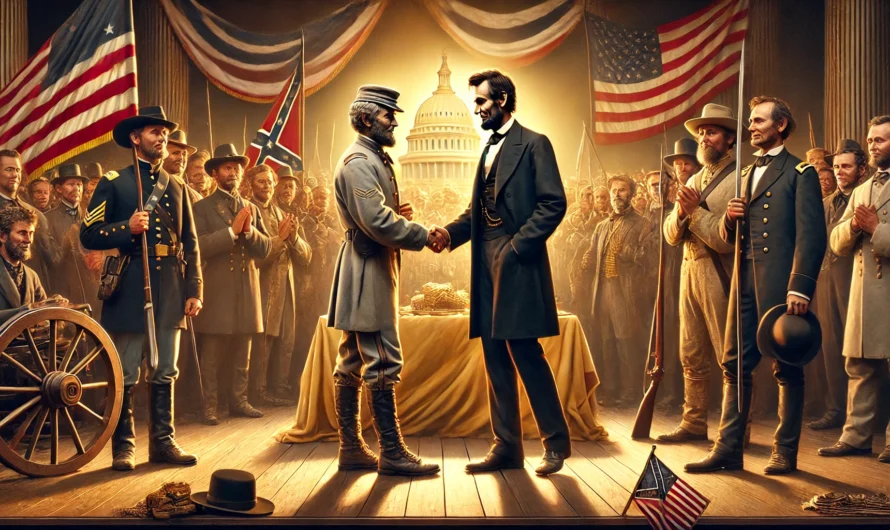
- Moral High Ground: Clemency offers an opportunity to take the moral high ground, showing the public and critics that the leader values unity and second chances. Lincoln’s pardons after the Civil War, for instance, painted him as a reconciler rather than a conqueror.
- Humanizing the Leader: Pardons can humanize a leader, countering claims of being cold or tyrannical. Acts of mercy resonate deeply with the public and often foster goodwill, even among critics.
Evidence and Public Perception
Historical and modern examples show that pardons can change narratives:
- Lincoln’s Reconstruction Pardons: These helped frame Lincoln as a compassionate leader focused on national healing rather than punishment.
- Gerald Ford’s Nixon Pardon: While initially criticized, this decision later gained recognition as an act of statesmanship that allowed the nation to move forward.
- Modern Studies: Polls like those conducted by Pew Research Center indicate that the public often sees acts of forgiveness as a strength, with many viewing clemency as a way to rebuild trust.
If Donald Trump were to issue pardons, especially for individuals on opposite ends of the political spectrum, it could serve to challenge narratives of authoritarianism. By emphasizing principles of justice and mercy, he could highlight the gap between his actions and the rhetoric used against him. Would this silence all critics? Likely not—but it would provide a powerful counterpoint to claims of tyranny.
A Call to Action for Donald Trump
If Donald Trump truly wishes to wield more power, they must recognize that influence is not just about control—it’s about moral authority. Clemency offers a unique opportunity to lead with compassion, to reconcile opposing factions, and to inspire trust in a disillusioned populace. By pardoning individuals who are symbolic of the nation’s divisions—whether non-violent January 6 offenders or others caught in the crossfire of political strife—a president can rise above the fray and set a precedent for unity.
Lincoln’s example offers a roadmap for the modern presidency. Clemency is not just a legal tool; it is a political strategy and a moral imperative. In the words of Lincoln himself, “I destroy my enemies when I make them my friends.” The next president has the chance to harness this wisdom and chart a path toward healing. The question is not whether they will have the courage to do so—the question is whether we, as a nation, are ready to follow such a leader.