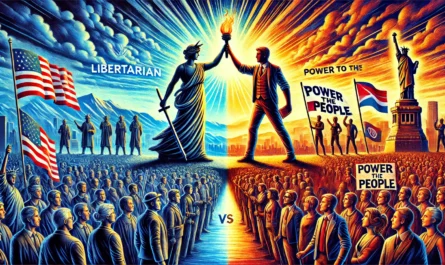
Political-Strategic Populism
 by
by How to Approach Political-Strategic Populism
Populism is a slippery concept, often likened to a chameleon due to its ability to change form and adapt to varied political environments. Scholars have long struggled to pin it down, leading to a proliferation of subtypes such as “neoliberal populism,” “ethnopopulism,” and “technopopulism.” This constant evolution challenges any static definition and underscores the opportunistic and context-sensitive nature of populism.
The political-strategic approach offers a practical framework for understanding populism. It emphasizes populism as a method of acquiring and exercising power, rather than focusing solely on discourse or ideology. This definition centers on a personalistic leader who garners direct, unmediated support from largely unorganized followers, bypassing traditional institutions like political parties.
Core Features of the Political-Strategic Approach
1. Personalistic Leadership
Populist leaders position themselves as the sole representatives of “the people,” often claiming to embody their will. Examples include Donald Trump’s self-characterization as the voice of the “forgotten men and women” and Narendra Modi’s framing of himself as the defender of India’s majority against an elite minority.
Leaders like Jair Bolsonaro in Brazil have harnessed social media to forge direct connections with followers, bypassing traditional media and party structures. His frequent live broadcasts and unfiltered rhetoric exemplify how populist leaders cultivate an image of authenticity and personal relatability.
2. Mass Mobilization
Populism relies heavily on mobilizing large numbers of people, often through rallies, referenda, or social media campaigns. The storming of the U.S. Capitol on January 6, 2021, highlighted the volatile power of mass mobilization under populist leadership, with Donald Trump’s rhetoric directly influencing his supporters’ actions.
3. Anti-Elite Rhetoric
Populists universally target “the elite” as corrupt and self-serving. This rhetoric often includes attacks on the media, judiciary, and political establishment. For instance, Viktor Orbán in Hungary frequently frames the European Union as an overreaching elite institution undermining Hungarian sovereignty. Similarly, Italy’s Giorgia Meloni criticizes the EU’s economic policies as out of touch with ordinary Italians.
4. Direct Appeals
Populists eschew intermediary institutions like political parties and unions, opting instead for direct communication with their supporters. In India, Modi’s Mann Ki Baat radio program reaches millions, bypassing institutional critique and reinforcing his image as a direct communicator.
Contemporary Examples of the Strategic Approach in Action
The Rise of “Technopopulism”
In Italy, Giuseppe Conte exemplified “technopopulism,” combining appeals to expertise with populist anti-elite rhetoric. Conte positioned himself as a pragmatic outsider capable of addressing Italy’s crises, from COVID-19 to economic instability, without the traditional ideological baggage of party politics.
Latin America’s Shifting Populisms
Populism in Latin America reflects its adaptability. Leaders like Gabriel Boric in Chile combine populist appeals with progressive agendas, targeting entrenched neoliberal elites. Meanwhile, Nayib Bukele of El Salvador has embraced digital populism, using Twitter to lambast critics and mobilize support for his authoritarian measures.
Populism in Crisis: The Case of Venezuela
Venezuela under Nicolás Maduro demonstrates the fragility of populist regimes dependent on personalistic leadership and mass mobilization. While Hugo Chávez sustained his rule with charisma and oil-funded social programs, Maduro’s reliance on repression and dwindling economic resources highlights the limits of populist strategies when material conditions deteriorate.
Analytical Strengths of the Political-Strategic Approach
1. Focus on Action Over Words
Unlike discourse-based definitions, this approach evaluates what populists do rather than what they say. For example, Hungary’s Viktor Orbán and Poland’s Law and Justice Party have both enacted constitutional changes to weaken judicial independence and concentrate executive power, actions that epitomize populist governance.
2. Flexibility Across Contexts
The political-strategic approach is adaptable, capturing diverse manifestations of populism across regions. In Asia, Rodrigo Duterte’s “strongman populism” contrasts with Aung San Suu Kyi’s earlier image as a democratic populist, yet both relied on direct, personalistic appeals to the people.
3. Understanding Volatility
The approach explains the meteoric rise and fall of populist leaders. Fernando Collor de Mello in Brazil rose rapidly through anti-corruption populism but fell just as swiftly due to scandal and economic mismanagement—a pattern seen in many populist regimes.
Populism and Current Political Dynamics
The Post-Pandemic Populist Landscape
COVID-19 reshaped populism globally. Leaders like Bolsonaro faced backlash for dismissing the pandemic’s severity, eroding their mass support. Conversely, leaders like Modi leveraged nationalist rhetoric and vaccine diplomacy to sustain their populist narratives.
Climate Populism
A new frontier for populism is climate policy. Figures like Greta Thunberg embody grassroots populism, mobilizing mass movements against “elite” institutions perceived as failing to act on climate change. Conversely, right-wing populists like Australia’s Scott Morrison have framed climate policies as elitist impositions on ordinary citizens.
The Digital Age and Populism
Social media amplifies populist strategies, enabling leaders to communicate directly with followers while bypassing gatekeepers. Elon Musk’s ownership of X (formerly Twitter) has drawn parallels to technopopulism, with Musk positioning himself as a voice against traditional media and regulatory elites.
Links to Further Reading and Evidence
- The Economist: “Populism and its Resurgence in Latin America”
- The Guardian: “Nayib Bukele’s Twitter Presidency in El Salvador”
- BBC News: “How Viktor Orbán is Redefining Populism in Hungary”
- New York Times: “The January 6 Capitol Riot and Its Populist Roots”
Conclusion
The political-strategic approach offers a pragmatic lens for understanding populism. By focusing on the actions of leaders and their strategies for mobilization, it captures the fluid and opportunistic nature of populist politics. As populism continues to adapt to global challenges—from digital transformation to climate change—this approach provides invaluable insights into its enduring appeal and limitations.

Originally posted 2024-06-10 10:31:27.