by
by The External Revenue Service: Taxing the Global Economy for a Prosperous America
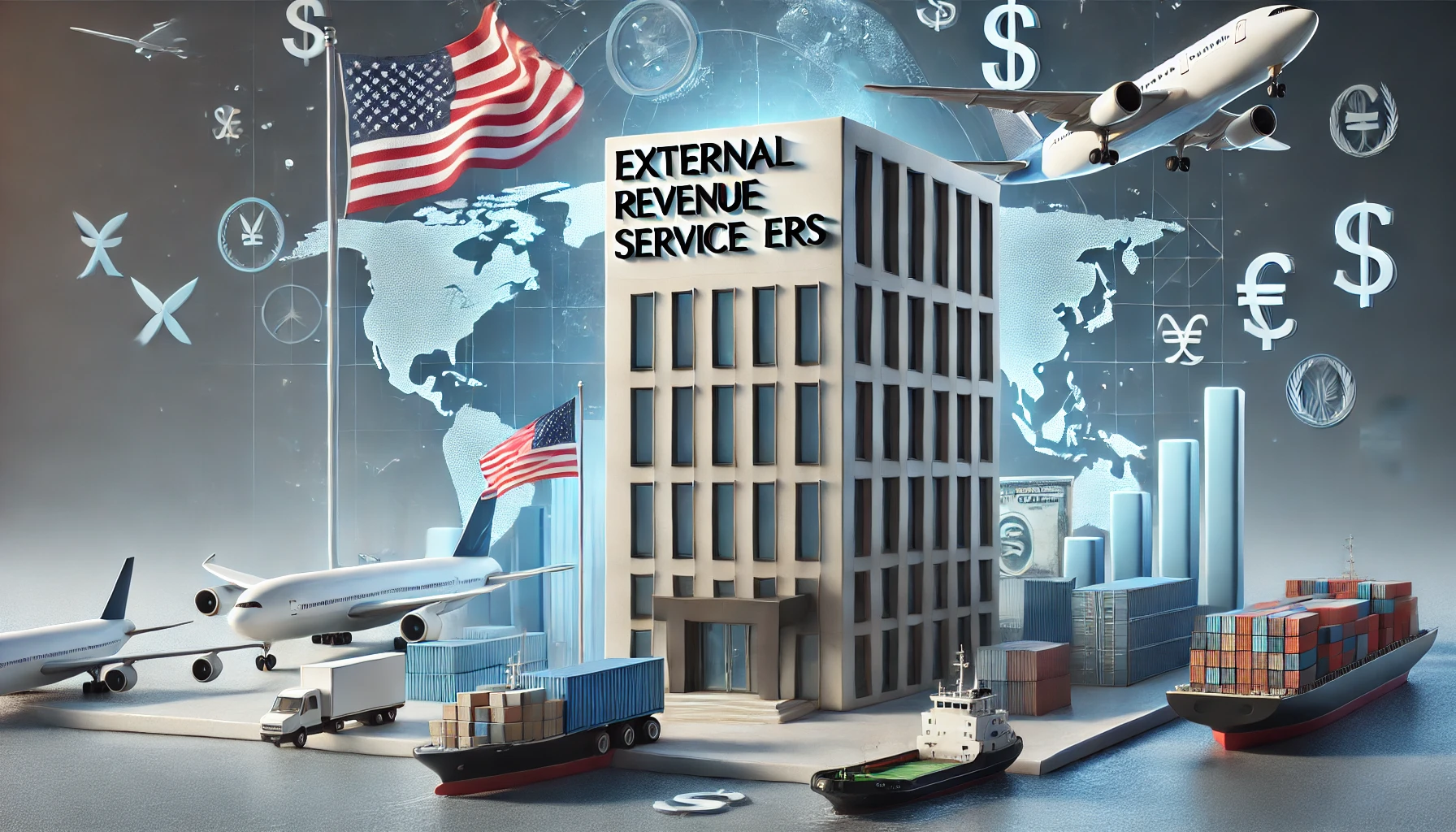
The United States stands at a critical juncture where fiscal reform is not just an option but an absolute necessity. The current Internal Revenue Service (IRS) has long been the focal point of discontent, plagued by inefficiency, complexity, and a tendency to tax the domestic economy in ways that hinder growth and prosperity. To address these challenges, it is time to introduce a revolutionary idea: the External Revenue Service (ERS). This agency would shift the focus from taxing Americans to leveraging the global economy for revenue, emphasizing import taxes and other external revenue streams that do not burden domestic consumers.
“The U.S. market is a privilege for foreign businesses, not a right. By strategically taxing imports and foreign transactions, we can generate revenue without burdening American taxpayers. This approach makes economic sense and strengthens our fiscal position.” — Scott Bessent, Treasury Secretary Nominee
Why Replace the IRS?
The IRS operates on a system that taxes the income, savings, and productivity of Americans. While necessary in some capacity, this approach has several inherent flaws:
- Discourages Economic Growth: High domestic taxes disincentivize work, investment, and innovation, key drivers of a thriving economy.
- Administrative Inefficiency: The tax code’s complexity overwhelms taxpayers and encourages evasion, costing billions in compliance and enforcement.
- Overburdens the Middle Class: Despite rhetoric about taxing the wealthy, much of the IRS’s collection disproportionately affects middle-income earners.
Replacing the IRS with the ERS would allow the U.S. to pursue external revenue opportunities, turning the global economy into a source of funding while leaving domestic economic activity largely untaxed.
“An External Revenue Service could redefine how we think about taxation. By focusing on foreign entities profiting from our markets, we shift the burden away from American workers and onto those who benefit most from our economic strength.” — Howard Lutnick, Commerce Secretary Nominee
The Vision for the External Revenue Service
The ERS would represent a fundamental shift in taxation philosophy. Instead of drawing revenue from domestic sources, it would focus on external opportunities such as import taxes, tariffs, and fees for access to U.S. markets. This model emphasizes taxing foreign economies to fund American priorities while incentivizing domestic production and consumption.
Key Objectives of the ERS:
- Tax Foreign Economies, Not Domestic Productivity
The ERS would prioritize revenue streams that capitalize on the dependency of foreign economies on the U.S. market. By imposing modest tariffs and fees on imports, the U.S. can generate significant revenue without directly taxing its citizens. - Encourage Domestic Production
Carefully calibrated import taxes would incentivize domestic manufacturing and reduce reliance on foreign goods, boosting local industries and creating jobs. - Simplify the Tax System
Replacing income tax collection with external revenue mechanisms would reduce the administrative burden, simplify compliance, and eliminate the need for the sprawling bureaucracy of the IRS. - Maintain Affordable Prices for Consumers
Import taxes and tariffs must be structured to avoid inflating prices for American consumers. By targeting luxury goods, non-essential imports, and sectors with significant profit margins, the ERS can raise revenue without a widespread cost impact.
“Taxing foreign economies instead of our own is not just innovative—it’s necessary. With the right structure, the ERS could promote domestic growth while ensuring the global market contributes its fair share to U.S. prosperity.” —Kevin Hassett, National Economic Council Leader
Revenue Opportunities for the ERS
1. Strategic Import Taxes
The U.S. imports trillions of dollars in goods annually. A modest, targeted import tax on luxury items, high-profit goods, and non-essential imports could generate substantial revenue. For example:
- A 2% tariff on luxury vehicles, designer goods, and high-end electronics could contribute billions annually.
- Imposing higher tariffs on countries with unfair trade practices could further incentivize balanced trade relations.
2. Market Access Fees
The U.S. is one of the world’s largest consumer markets, a privilege foreign businesses heavily rely on. The ERS could implement market access fees for companies seeking to sell goods or services in the U.S., particularly in sectors with little domestic competition.
3. Port and Infrastructure Usage Fees
Foreign shipping companies use American ports extensively. Fees for port access, road usage, and customs processing could be increased, ensuring foreign businesses contribute to the infrastructure they utilize.
4. Digital Goods and Services
As the global economy becomes increasingly digital, the ERS could impose taxes on foreign companies profiting from American consumers. For example:
- Taxing international streaming services and e-commerce platforms.
- Applying fees to digital advertising targeting U.S. users.
5. Extraterritorial Corporate Taxes
Many multinational corporations exploit loopholes to avoid U.S. taxes while benefiting from the American market. The ERS could establish a framework to tax foreign companies based on their profits derived from American consumers.
“The ERS idea aligns perfectly with economic principles of fairness and efficiency. If structured correctly, it could incentivize fair trade practices while reducing the need for domestic taxation that stifles growth.” — Stephen Miran, Chair of the Council of Economic Advisers Nominee
The Benefits of the ERS Model
1. Economic Growth
By reducing the tax burden on domestic individuals and businesses, the ERS would stimulate economic growth, increase wages, and encourage investment. Entrepreneurs and businesses would have more capital to reinvest, spurring innovation and job creation.
2. Enhanced Fairness
The ERS shifts the tax burden away from hardworking Americans to foreign entities that profit from the U.S. market. This approach ensures that those who benefit most from access to American consumers contribute their fair share.
3. Global Leverage
The U.S. could use the ERS as a tool of economic diplomacy, rewarding fair-trade partners with lower tariffs while imposing higher costs on nations engaging in unfair practices. This approach could strengthen alliances and deter exploitative trade behaviors.
4. Simplified Tax Compliance
The elimination of income taxes and the IRS bureaucracy would simplify life for millions of Americans. Businesses and individuals could focus on productivity without the annual headache of tax filings and audits.
Addressing Concerns
Will Import Taxes Raise Prices for Consumers?
This is a valid concern, but it can be mitigated by carefully targeting high-profit sectors and non-essential goods. Additionally, domestic production incentives would offset potential price increases by boosting supply and reducing dependence on imports.
What About Trade Wars?
While the ERS would impose new tariffs, its policies would be designed to avoid unnecessary trade conflicts. Diplomacy and careful negotiation would ensure that any tariffs are perceived as fair and justified, minimizing retaliation.
Can the ERS Generate Enough Revenue?
Yes. The U.S. imports over $2.5 trillion in goods annually. A modest 2-3% average tariff could generate tens of billions of dollars, far exceeding the revenue currently collected through income taxes, especially if combined with other external revenue streams.
“An ERS would protect American jobs by discouraging outsourcing and unfair trade practices. Taxing foreign goods and services instead of our own labor force is a win-win for American workers and the economy.” — Lori Chavez-DeRemer, Labor Secretary Nominee
The ERS in Action: A Hypothetical Example
Imagine a scenario where the ERS replaces the IRS:
- Revenue Collection: The ERS implements a 2% tariff on non-essential imports, a 5% fee on luxury goods, and access fees for digital services and international shipping companies.
- Economic Growth: With no income taxes, individuals have more disposable income, while businesses reinvest savings into expansion and innovation.
- Global Trade Balance: Countries with significant trade surpluses are incentivized to balance trade with the U.S., avoiding higher tariffs.
- Consumer Protection: Tariffs are carefully structured to avoid inflating the cost of necessities, ensuring affordability for American families.
Conclusion: A Bold Path Forward
The External Revenue Service represents a bold reimagining of the U.S. tax system. By focusing on external revenue sources, the ERS would relieve the domestic economy of burdensome taxation, stimulate growth, and strengthen America’s position in the global economy. It aligns with the principles of fairness, efficiency, and prosperity, offering a vision for a future where America taxes “their economy” rather than its own. In an era of global interdependence, it’s time for the United States to capitalize on its economic influence and lead the way toward a new model of fiscal sustainability.

External Revenue Service
Ten Action Steps for Congress to Form the External Revenue Service (ERS)
- Draft Legislation to Abolish the IRS
- Introduce a bill to dismantle the Internal Revenue Service and replace it with the External Revenue Service, emphasizing the shift in taxation focus from domestic to foreign economies.
- Establish the ERS Mission and Objectives
- Define the mission of the ERS in legislation, focusing on generating revenue through external sources such as import tariffs, market access fees, and taxes on foreign corporations operating in the U.S.
- Set Up a Congressional Oversight Committee
- Form a bipartisan oversight committee to guide the development of the ERS, ensuring transparency, accountability, and alignment with national economic goals.
- Develop a Comprehensive Tariff and Fee Structure
- Collaborate with economic experts to design a tariff and fee structure that targets luxury imports, non-essential goods, and high-profit industries without significantly raising costs for American consumers.
- Pass Enabling Legislation
- Enact comprehensive legislation to authorize the creation of the ERS, detailing its structure, powers, and responsibilities. Include provisions to protect domestic industries and consumers.
- Conduct Trade Partner Consultations
- Engage with trade partners to negotiate terms and avoid retaliation. Highlight the fairness and necessity of the ERS’s revenue-generating measures.
- Build the ERS Infrastructure
- Allocate funding to establish ERS offices, hire personnel, and invest in technology for efficient monitoring of imports, exports, and global transactions.
- Develop Compliance and Enforcement Mechanisms
- Create robust systems to enforce tariffs and fees, prevent evasion, and ensure that foreign corporations comply with new tax obligations.
- Promote Domestic Economic Incentives
- Pair the ERS rollout with initiatives to encourage domestic production, such as tax breaks for manufacturers and small businesses, to reduce reliance on imports.
- Educate the Public and Stakeholders
- Launch an awareness campaign to inform the public and businesses about the ERS, emphasizing its benefits to the U.S. economy, including reduced domestic taxation and increased global revenue.
These action steps outline a clear path for Congress to transition from the IRS to the ERS, creating a system that prioritizes external revenue while fostering domestic economic growth.