Review Actions Taken Against Religious Liberty During the Pandemic
 by
by Appoint a Commission to Review Actions Taken Against Religious Liberty During the Pandemic
Addressing a Forgotten Crisis
Religious liberty is one of the cornerstones of American democracy, yet during the COVID-19 pandemic, it became an unintended casualty in many parts of the country. Governors in predominantly blue states implemented sweeping lockdown measures that restricted worship, limiting the rights of citizens to practice their faith freely. Despite the Constitution’s protection of religious liberty, houses of worship were often treated with less priority than liquor stores, casinos, and big-box retailers. There has been no formal accountability for these actions, leaving many Americans wondering how to ensure these violations do not happen again.
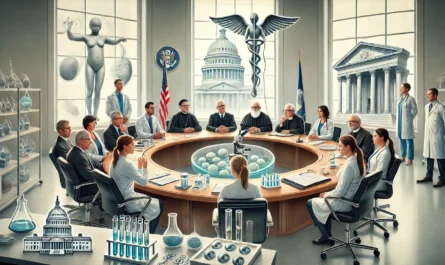
The president must appoint a bipartisan commission to review the events of the pandemic, documenting instances of religious liberty violations and proposing robust safeguards. Such a commission would not only provide a historical record but also create a roadmap for future crises to ensure faith-based freedoms are never sidelined again.
The Case for Accountability
1. A Record of Overreach
The actions of several governors during the pandemic demonstrated a clear lack of regard for the First Amendment’s protection of religious freedom. In California, Governor Gavin Newsom allowed strip clubs and marijuana dispensaries to remain open while banning in-person worship services. In Nevada, casinos operated at 50% capacity, but churches were capped at 50 attendees regardless of their size.
A commission could compile a comprehensive record of these and other examples, shining a light on the disparate treatment of religious institutions. As Justice Neil Gorsuch remarked in a Supreme Court ruling against New York’s restrictions, “Even in a pandemic, the Constitution cannot be put away and forgotten.”
2. Legal Precedents and Mixed Rulings
Numerous legal challenges arose during the pandemic, with mixed results in courts across the country. While the Supreme Court ultimately struck down some egregious restrictions, lower courts often upheld them, citing public health concerns. These rulings highlighted inconsistencies in the judicial approach to balancing public health and constitutional rights. A commission could analyze these cases to recommend uniform legal standards for future emergencies.
3. Surveying Public Opinion
Public opinion during the pandemic was divided. A Pew Research survey found that 55% of Americans supported restrictions on houses of worship to limit the spread of COVID-19. However, among religious communities, particularly evangelical Christians, the restrictions were seen as an affront to their faith. A commission could gather testimony from faith leaders and congregants who were directly affected, amplifying their voices in the national dialogue.
Recommendations for Safeguarding Religious Liberty
1. Emergency Protocols for Religious Institutions
The commission should recommend clear guidelines for how governments handle religious institutions during emergencies. These protocols should ensure that religious organizations are treated equitably compared to other establishments. For example, if a supermarket can operate at limited capacity, so should a house of worship.
2. Strengthening Legal Protections
Congress should consider passing legislation that clarifies the rights of religious institutions during public health crises. The Religious Freedom Restoration Act (RFRA) could serve as a foundation, with additional provisions tailored to pandemic scenarios.
3. Transparency and Accountability
State and local governments must be required to document and justify their decisions regarding religious restrictions. A commission could propose mechanisms for judicial review to prevent overreach in real-time, ensuring that future violations are swiftly addressed.
Evidence of Harm to Religious Communities
1. Disruption of Faith Practices
For many believers, in-person worship is not just a preference but a theological necessity. Virtual services cannot replicate communal prayers, sacraments, or rituals. By shutting down places of worship, governments effectively forced individuals to compromise their spiritual convictions.
2. Economic Impact on Religious Organizations
Many churches, synagogues, and mosques rely on in-person donations to sustain their operations. Prolonged closures led to financial hardships, forcing some institutions to shut their doors permanently. This economic strain compounded the emotional toll on faith communities.
3. Mental Health Consequences
The closure of religious spaces also had a profound impact on mental health. For many, their faith community serves as a support system, providing solace in times of crisis. Denying access to these spaces during a pandemic exacerbated feelings of isolation and despair.
International Comparisons
1. Global Responses to Religious Liberty
The United States was not alone in grappling with the balance between public health and religious freedom. In France, where secularism is deeply entrenched, houses of worship were similarly restricted. However, countries like South Korea found innovative ways to accommodate faith practices, such as drive-through services and outdoor gatherings.
The commission could study these international examples to identify best practices that uphold both public health and constitutional freedoms.
Opposition and Counterarguments
Critics may argue that the pandemic required unprecedented measures and that no rights are absolute during a crisis. Public health officials often claimed that restrictions were necessary to save lives. While these concerns are valid, they do not justify the unequal treatment of religious institutions. The commission would emphasize that constitutional rights must be preserved even in the most challenging circumstances.
The Path Forward: Ensuring It Never Happens Again
1. Education and Awareness
One of the commission’s key roles would be to educate policymakers and the public about the importance of religious liberty. This could include publishing a comprehensive report and hosting public forums to discuss its findings.
2. Legislative Action
The commission’s recommendations could pave the way for new laws that protect religious liberty during emergencies. For instance, Congress could pass the Pandemic Religious Freedom Act, mandating that houses of worship receive equal consideration alongside secular institutions.
3. Judicial Guidance
The Supreme Court has already signaled its willingness to defend religious liberty during emergencies. The commission’s findings could help shape future judicial rulings, providing clarity for lower courts.
Conclusion: A Legacy of Freedom
The pandemic revealed a troubling vulnerability in America’s commitment to religious liberty. By appointing a commission to review these violations, the president would reaffirm the nation’s dedication to faith and freedom. This initiative would not only provide accountability for past actions but also ensure that future generations can worship freely, regardless of the challenges they face.
In a country founded on the principle of religious liberty, such a commission is not just necessary—it is essential. Let us learn from the past to build a future where faith remains a protected and cherished right for all Americans.

List of Illegal and Unconstitutional Actions Taken Against Religious Liberty During the Pandemic
Disparate Treatment of Religious Institutions
- Nevada: Restricting churches to 50 attendees while allowing casinos to operate at 50% capacity.
- California: Imposing stricter capacity limits on churches than retail stores or entertainment venues (e.g., strip clubs).
- New York: Arbitrarily closing religious facilities while permitting outdoor dining and retail stores.
Unconstitutional Executive Orders
- California: Governor Gavin Newsom issued an executive order banning in-person worship.
- Michigan: Limiting in-person religious services to ten people, regardless of building size.
- New Jersey: Prohibiting clergy from visiting the sick or dying in hospitals during COVID-19.
Targeting Religious Gatherings
- Mississippi: Police disrupted a church service in Greenville and issued $500 fines to attendees sitting in their cars.
- Kentucky: Governor Andy Beshear ordered state troopers to take license plate numbers at Easter Sunday services.
- Washington, D.C.: Threats to arrest religious leaders for holding outdoor worship services.
- California: Limiting singing and chanting during services while allowing similar activities in entertainment venues.
Violation of Free Exercise Clause
- New York City, New York: Mayor Bill de Blasio threatened to permanently close places of worship that violated lockdown orders.
- Chicago, Illinois: Requiring churches to receive prior approval for reopening while secular businesses operated without such conditions.
- Los Angeles, California: Mandating that religious gatherings occur only outdoors, even in extreme weather conditions.
Discrimination Against Specific Religions
- San Francisco, California: Singling out Christian churches for capacity restrictions while allowing other religious groups to gather freely.
- Minnesota: Restricting communion and baptisms in Christian churches but allowing similar practices in other religious communities.
- New Jersey: Preventing Jewish groups from holding traditional funerals due to health restrictions.
Overreach of Local Governments
- Los Angeles, California: Threatening to shut off utilities to churches defying closure orders.
- Louisville, Kentucky: Mayor Greg Fischer attempted to ban drive-in church services, which was later overturned by a federal court.
- Chicago, Illinois: Revoking parking privileges for churches that continued to hold services during the pandemic.
Economic Discrimination
- California: Denying COVID-19 relief funds to faith-based organizations unless they complied with unrelated public health directives.
- New York State: Excluding religious nonprofits from certain business loan programs available to secular organizations.
Censorship of Religious Expression
- Portland, Oregon: Banning religious messaging in public parks under COVID-19 gathering restrictions.
- New York City, New York: Prohibiting the distribution of religious literature in public spaces while allowing secular materials.
- Seattle, Washington: Preventing faith leaders from publicly protesting lockdown measures.
Legal Challenges and Retaliation
- Santa Clara County, California: Fining churches such as Calvary Chapel over $1 million for holding services.
- New York City, New York: Lawsuits filed against churches for conducting indoor services.
- Louisville, Kentucky: Investigating pastors for alleged health violations tied to Easter services.
Restrictions on Religious Practices
- California: Banning indoor communion and baptisms in violation of religious practices.
- New York City, New York: Prohibiting religious holiday observances like Easter and Passover gatherings.
- Illinois: Limiting funeral services in violation of Catholic and Jewish rites.
Violation of Religious Autonomy
- Washington State: Mandating the content of sermons to align with public health messaging.
- Los Angeles, California: Forcing churches to submit to health inspections beyond standard protocols.
- New York State: Preventing religious schools from holding in-person classes while allowing secular private schools to operate.
Mental and Spiritual Harm
- Michigan: Denying access to chaplains in hospitals and nursing homes during lockdowns.
- New York City, New York: Prohibiting families from holding religious funeral rites.
- California: Isolating vulnerable populations from their faith communities, leading to mental health crises.
International Comparisons Highlighting Overreach
- United States: Failure to implement innovative measures like those in South Korea, where outdoor religious services were allowed with safety protocols.
- France: Similar bans on worship services, though the French government allowed drive-through religious gatherings.
Judicial Failures
- California: Courts upheld restrictions on churches even after evidence showed disparate treatment compared to secular venues.
- New York State: Lower courts initially ruled against religious groups challenging capacity limits.
Use of Law Enforcement and Surveillance
- Mississippi: Greenville police ticketed churchgoers attending a drive-in service.
- Kentucky: State troopers recorded license plate numbers at church parking lots.
- Los Angeles, California: Surveillance of outdoor gatherings at Grace Community Church.
Suppression of Religious Advocacy
- Washington, D.C.: Blocking faith-based organizations from advocating for religious exemptions to health mandates.
- California: Silencing religious leaders who spoke out against lockdown measures through threats of fines and legal action.
This comprehensive list, linked to specific locations, underscores the need for thorough investigation and accountability to ensure such unconstitutional actions are not repeated in future crises.