
Skip to content
June 16, 2025
  • Wikipedia
  • Examiner
  • Cato
  • AEI
  • Reason
  • Show-Me
  • BBC Populism

Populist Policy

Government By and For the People

  • Government Spending
  • Good Government
  • Legal and Judicial
  • International
  • National Security
  • Economy
  • Government Spending
  • Good Government
  • Legal and Judicial
  • International
  • National Security
  • Economy

Tag: political strategy

Political Strategy

Political strategy refers to the planning and execution of actions aimed at achieving specific political goals. It involves understanding the political landscape, identifying key issues, mobilizing support, and making decisions that will enhance a party’s or individual’s political power. From a libertarian populist perspective, political strategy focuses on empowering ordinary citizens, advocating for limited government, protecting individual freedoms, and challenging the political establishment. The strategy emphasizes grassroots mobilization, direct engagement with the electorate, and the promotion of policies that align with populist ideals.

Grassroots Mobilization and Voter Engagement

Libertarian populist political strategy places a strong emphasis on grassroots mobilization. Rather than relying on elite donors or large political organizations, the strategy seeks to engage directly with everyday voters, particularly those who feel disillusioned with the political establishment. By reaching out to local communities and connecting with voters on the issues that matter most to them—such as economic freedom, personal liberty, and government accountability—libertarian populists aim to build a broad coalition of support.

Voter engagement is key to this strategy, as it helps build trust and ensures that policies reflect the concerns of the electorate. Campaigns are often built around town halls, direct communication, and utilizing social media platforms to bypass traditional media, which is often viewed as part of the political elite. The goal is to empower citizens to take ownership of their political future, allowing them to make decisions based on their needs and values rather than being dictated by a distant, centralized government.

Limited Government and Fiscal Responsibility

A central tenet of libertarian populist political strategy is advocating for limited government and fiscal responsibility. This involves reducing the size and scope of government by cutting wasteful spending, eliminating unnecessary regulations, and pushing for tax cuts that enable individuals and businesses to thrive without excessive government intervention. Political messages often focus on the need to rein in government spending, balance the budget, and restore economic freedom to the people.

By emphasizing limited government, libertarian populists position themselves as champions of individual liberty, arguing that less government interference leads to greater personal responsibility and a stronger economy. This message resonates with voters who are frustrated with bureaucratic inefficiency and overregulation, allowing libertarian populist candidates to gain support across a wide range of voters, particularly those from middle and working-class backgrounds.

Anti-Establishment Messaging

Libertarian populism is inherently anti-establishment, often framing the political elite—comprised of politicians, bureaucrats, and corporate interests—as disconnected from the needs of ordinary citizens. A key element of political strategy for libertarian populists is to capitalize on widespread dissatisfaction with the status quo. This is done by presenting themselves as an alternative to the political class, advocating for policies that prioritize the interests of the people over those of elites or special interest groups.

This anti-establishment stance also involves challenging institutional powers that are seen as corrupt or overreaching, such as the media, big tech, and government agencies. Libertarian populists argue that these institutions often work together to maintain control over public discourse and suppress dissenting views. By positioning themselves as defenders of free speech and personal liberty, libertarian populists can attract voters who are frustrated with perceived bias, censorship, and the growing influence of unelected elites in the political process.

Economic Populism and Economic Freedom

Economic populism is another cornerstone of libertarian populist strategy. The goal is to promote policies that reduce economic inequality and ensure opportunities for all, particularly through free-market principles. This includes advocating for lower taxes, reducing government interference in the market, and empowering individuals and businesses to thrive without excessive regulation. Libertarian populists often argue that economic prosperity comes from providing the public with the freedom to make their own economic choices, rather than relying on government programs or handouts.

Libertarian populist political strategy also emphasizes protecting workers and small businesses from the overreach of large corporations or government regulations. This involves supporting policies that allow for job creation, lower barriers to entry for entrepreneurs, and offer workers the freedom to negotiate better wages and benefits without the interference of labor unions or government mandates.

National Sovereignty and Security

Another key element of political strategy for libertarian populists is a strong emphasis on national sovereignty and security. This includes advocating for tighter border controls, enforcing immigration laws, and ensuring that foreign policy decisions reflect the interests of the nation rather than international organizations or globalist agendas. Libertarian populists argue that protecting national sovereignty is essential for maintaining security, economic stability, and the ability to govern without foreign interference.

In this strategy, defense spending may be prioritized, but with an emphasis on securing borders and ensuring the safety of citizens rather than engaging in overseas military interventions or commitments to international alliances that may not align with national interests. By focusing on national security and sovereignty, libertarian populists appeal to voters who are concerned about immigration, terrorism, and the perceived erosion of national identity through globalist policies.

Messaging and Media Utilization

Given the growing skepticism toward traditional media, libertarian populists often use alternative methods of communication to connect with voters. Social media platforms, direct online campaigns, and independent news outlets are increasingly utilized to reach a wider audience and bypass the influence of mainstream media, which is often viewed as biased or part of the political establishment. This strategy allows libertarian populists to control the narrative, communicate directly with voters, and spread their message without being filtered through traditional media channels.

By using digital media and alternative communication channels, libertarian populists can reach younger, more tech-savvy voters and engage with them on issues like free speech, privacy, and government accountability. This also helps build a community of supporters who can organize, fundraise, and mobilize on behalf of political campaigns, further strengthening the grassroots nature of the movement.

Conclusion

In conclusion, the political strategy of libertarian populism centers on empowering ordinary citizens, reducing government overreach, and challenging the political and economic establishment. Through grassroots mobilization, economic freedom, and a focus on national sovereignty, libertarian populists seek to build a movement that prioritizes the rights and interests of individuals over bureaucratic and elite control. This strategy resonates with voters frustrated by the perceived inefficiencies of government, the dominance of powerful institutions, and the erosion of personal freedoms. By staying true to these principles, libertarian populists aim to create a more equitable and responsive political system that places power back in the hands of the people.

Populism in India
Political Thought

Populism in India

Sophie Zürcherby Sophie ZürcherJune 5, 20250

Populism in India Enhanced and Refined Analysis Introduction India, the world’s largest democracy, presents a complex and paradoxical relationship with populism. Despite being an inherently …

Political-Strategic Populism
Political Thought

Political-Strategic Populism

Sophie Zürcherby Sophie ZürcherMay 18, 20250

How to Approach Political-Strategic Populism Populism is a slippery concept, often likened to a chameleon due to its ability to change form and adapt to …

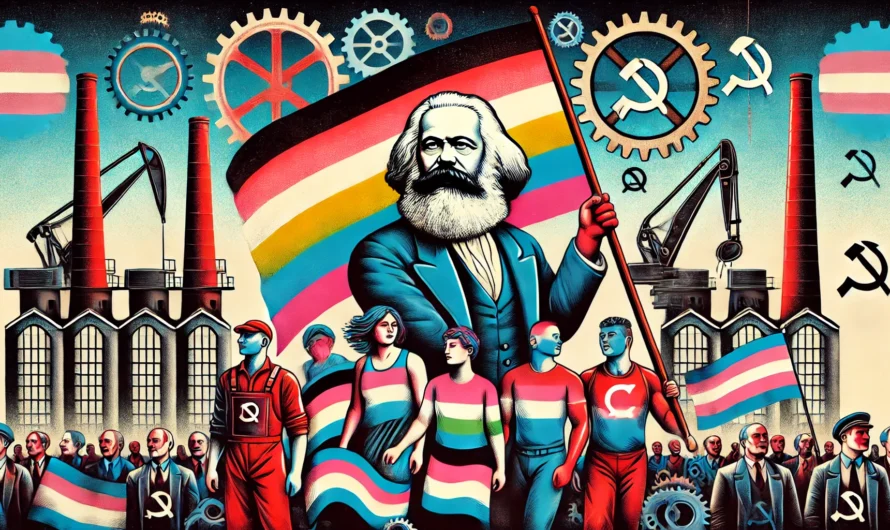
The Marxist Roots of Trans Rights
Culture / Good Government

The Marxist Roots of Trans Rights

Elizabeth Stoneby Elizabeth StoneDecember 18, 2024December 18, 20240

The Marxist Roots of Trans Rights and Why They Should Be Rejected The contemporary push for transgender rights, particularly as they pertain to medical interventions …

Liz Cheney’s Historic Legacy
Good Government / News

Liz Cheney’s Historic Legacy

Alan Nafzgerby Alan NafzgerSeptember 16, 20240

The Controversy of Liz Cheney and the January 6th Committee The January 6th Capitol riots marked one of the most divisive moments in contemporary American …

Was Abraham Lincoln a Populist?
Culture / Good Government / Legal and Judicial

Was Abraham Lincoln a Populist?

Maya Rodriguezby Maya RodriguezJuly 14, 2024December 18, 20240

Was Lincoln a Populist? The question of whether Abraham Lincoln, one of America’s most revered presidents, can be classified as a populist is both intriguing …

Newsletter Signup!

Recent Posts

  • Capitalism vs. Socialism
  • Populism and Political Parties
  • Populism in Africa
  • Populism in the Post-Soviet States
  • Populism in Latin America

Archives

  • June 2025
  • May 2025
  • January 2025
  • December 2024
  • November 2024
  • October 2024
  • September 2024
  • August 2024
  • July 2024
  • June 2024
  • May 2024
  • April 2024
  • March 2024
  • February 2024
  • January 2024
  • December 2023
  • November 2023
  • October 2023
  • September 2023
  • August 2023
  • July 2023
  • June 2023
  • May 2023
  • April 2023
  • March 2023
  • February 2023
  • January 2023
  • December 2022
  • November 2022
  • October 2022
  • August 2022
  • July 2022
  • June 2022
  • May 2022
  • April 2022
  • March 2022
  • February 2022
  • January 2022
  • December 2021
  • November 2021
  • September 2021
  • August 2021
  • July 2021
  • June 2021
  • May 2021
  • April 2021
  • March 2021
  • February 2021
  • January 2021
  • December 2020
  • November 2020
  • December 2017
  • January 2017

Categories

  • Culture
  • Domestic Policy
  • Economy
  • Energy & Environment
  • Good Government
  • Government Spending
  • Health
  • Immigration
  • International
  • Legal and Judicial
  • Media
  • National Security
  • News
  • Political Thought

The Populist Policy Foundation

The Populist Policy Foundation
PopulistPolicy.org
2600 Virginia Ave NW
Washington, DC 20037

VWXV+VQ Washington, District of Columbia

Contact: Alan Nafzger (editor)

Copyright © 2024 Populist Policy Institute. Powered by WordPress and Bam.