DOGE Analysis of the Department of Homeland Security
 by
by DOGE Analysis of the Department of Homeland Security (DHS): Efficiency, Relevance, and Alternatives
The Department of Homeland Security (DHS) is a vast and complex federal agency tasked with ensuring the security of the United States through a variety of functions, including customs and border protection, immigration enforcement, disaster response, counterterrorism, and cybersecurity. While DHS plays a critical role in national security, its size, scope, and efficiency are frequently questioned. This DOGE analysis will examine the agency’s mandate, potential for streamlining, and recommendations for improving efficiency.
The Department of Homeland Security (DHS) works to improve the security of the United States. The Department’s work includes customs, border, and immigration enforcement, emergency response to natural and manmade disasters, antiterrorism work, and cybersecurity.
Constitutional Basis and Governmental Mandate
The creation of the Department of Homeland Security following the September 11, 2001, terrorist attacks was driven by a desire to centralize and coordinate various security functions spread across numerous federal agencies. While national security and defense are clearly within the constitutional authority of the federal government, the creation of DHS through the Homeland Security Act of 2002 represents a broadening of the federal government’s scope. Critics argue that the agency’s expansive mandate may overstep constitutional boundaries, particularly in areas like immigration enforcement and border security, which traditionally fall within state jurisdiction.
The Commerce Clause and National Defense Clause may provide some constitutional grounding for the department’s role in ensuring the nation’s security. However, as with other large federal agencies, there is concern about the balance between national security and individual rights, particularly with the expansion of DHS’s powers in areas like surveillance, cybersecurity, and domestic law enforcement.
Budget Analysis and Potential for Cuts
The DHS operates with a massive budget, receiving tens of billions of dollars annually. While the department’s work is undeniably important, there are areas in which budget cuts and reallocations may be possible without undermining its mission.
Potential Cuts and Reallocations:
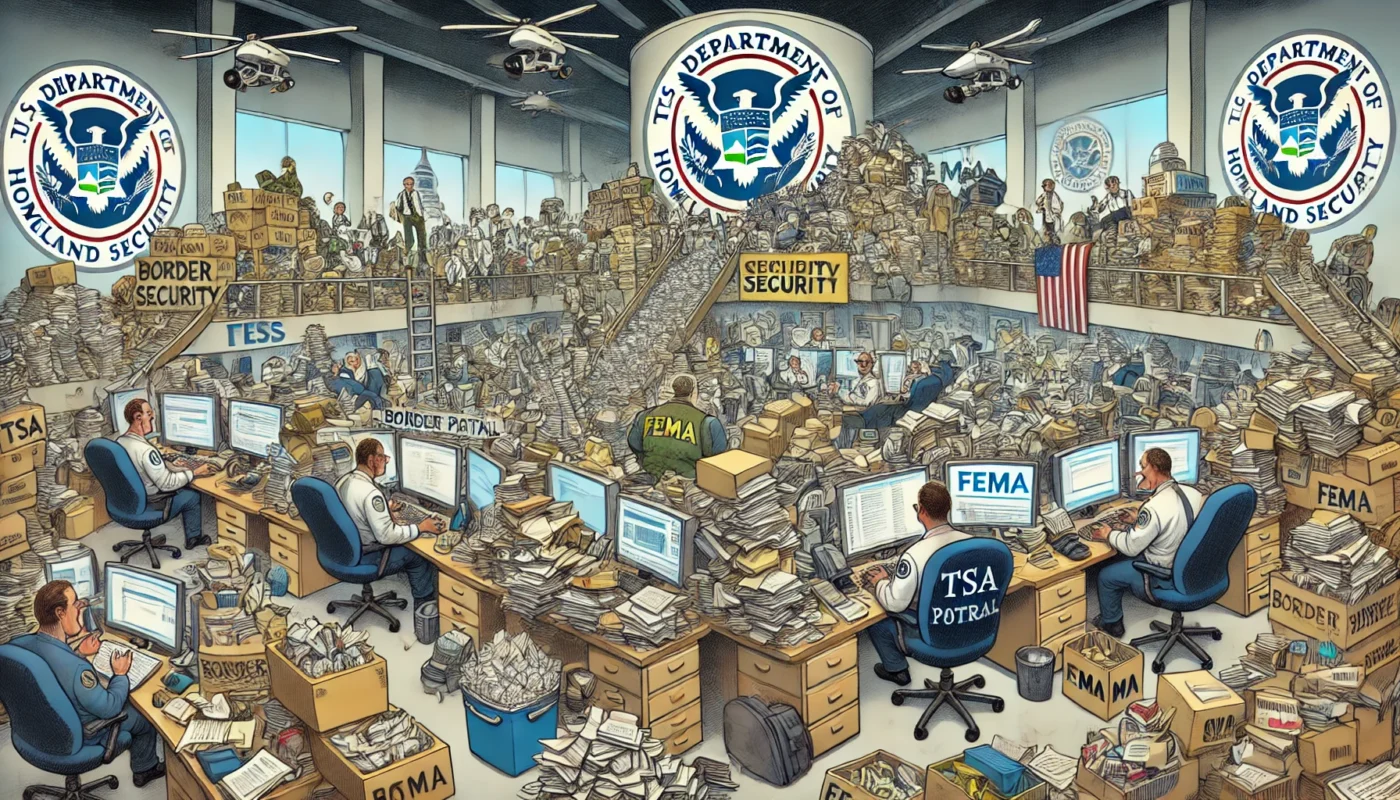
- Streamline Bureaucratic Functions: DHS is burdened with layers of bureaucracy, including multiple divisions responsible for overlapping tasks (e.g., Customs and Border Protection, Immigration and Customs Enforcement, and Federal Emergency Management Agency). Streamlining these functions could reduce redundancy and save taxpayer dollars.
- Reduce Focus on Non-Essential Programs: Some aspects of DHS’s mission, such as certain anti-terrorism initiatives, are difficult to measure in terms of success. Eliminating or reducing funding for programs with low impact could free up resources for more effective initiatives.
- Privatize and Decentralize Certain Roles: Many of the functions handled by DHS, particularly in areas like cybersecurity and disaster recovery, could be managed more efficiently by private companies or state agencies. For example, partnerships with private cybersecurity firms could reduce the cost of maintaining a federal cybersecurity apparatus.
- Consolidate Border and Immigration Enforcement: The fragmentation of border and immigration enforcement across several agencies under DHS leads to inefficiencies. Consolidating these agencies and creating a more coordinated approach could lead to cost savings and improved outcomes.
Efficiency and Effectiveness of DHS Programs
Strengths:
- National Security Coordination: DHS plays an essential role in coordinating efforts to protect the U.S. from terrorism, including through programs like TSA (Transportation Security Administration) and counterterrorism efforts within its Intelligence and Analysis Division.
- Cybersecurity: DHS is responsible for maintaining national cybersecurity infrastructure through the Cybersecurity and Infrastructure Security Agency (CISA), a vital function as cyber threats continue to increase.
- Disaster Response: Through the Federal Emergency Management Agency (FEMA), DHS provides immediate disaster relief in response to natural and man-made catastrophes, a critical service for U.S. citizens.
Weaknesses:
- Bureaucratic Overlap: DHS’s size and structure contribute to redundancies. Numerous agencies within the department—such as the Coast Guard, Immigration and Customs Enforcement (ICE), and Border Patrol—all engage in aspects of law enforcement and border security, leading to inefficiency and overlap.
- Inefficiency in Immigration Enforcement: Immigration enforcement, in particular, has been widely criticized for inefficiency and a lack of clear focus. Conflicting priorities within ICE and Border Patrol create confusion and result in inconsistent policies and procedures.
- Slow Disaster Response: While FEMA’s mission is vital, the agency has faced significant criticism for delayed responses during major disasters, particularly in areas like Puerto Rico and New Orleans. The bureaucratic nature of DHS has impeded FEMA’s ability to respond rapidly and effectively.
- Domestic Surveillance and Privacy Concerns: DHS has been criticized for overreach in domestic surveillance and data collection under the guise of national security. While terrorism prevention is important, the balance between security and privacy is often in tension.
Can Non-Governmental Entities Do This Job?
There are aspects of the DHS’s responsibilities that could potentially be transferred to non-governmental entities or privatized to improve efficiency:
- Cybersecurity: While the federal government plays a critical role in cybersecurity, private cybersecurity firms like FireEye, CrowdStrike, and Symantec have the expertise and resources to handle many aspects of U.S. cybersecurity. Partnering with private firms could reduce the need for a large government bureaucracy.
- Disaster Response: Disaster recovery and preparedness could be improved through partnerships with non-governmental organizations like the Red Cross and local emergency response teams. Localized response teams are often better positioned to act swiftly and directly when disasters strike.
- Border Security: While border security is a national concern, much of the work currently being done by federal agencies could be handled at the state or local level, where enforcement priorities can be more closely aligned with community needs. Non-governmental organizations that focus on immigration advocacy could also play a role in streamlining processes to ensure fairness and efficiency.
- Immigration Services: Certain aspects of immigration enforcement could be more efficiently handled by private firms or through partnerships with nonprofit organizations focused on legal services, documentation, and processing.
Best Option, Second Best Option, and Worse Option
Best Option: Streamline and Privatize Functions
The best option for reforming DHS would be to streamline its functions by privatizing certain roles and consolidating others. Key steps include:
- Consolidating Border and Immigration Enforcement: Streamline the roles of ICE, Border Patrol, and Customs under a single agency or outsource certain aspects to private companies.
- Partnerships with Private Firms for Cybersecurity: Collaborate with private sector firms specializing in cybersecurity to reduce costs and increase expertise.
- Decentralizing Disaster Response: Transfer more responsibilities for disaster response to local governments and private sector partners, with federal funds allocated for support.
This would reduce redundancy, cut costs, and encourage innovation.
Second Best Option: Streamline Within Federal Government
If privatization is politically unfeasible, the Second Best Option would be to streamline operations within DHS itself. This could involve:
- Reducing redundancy by consolidating overlapping agencies within DHS.
- Improving coordination between agencies like ICE, TSA, and FEMA to increase overall efficiency.
While this option may improve efficiency, it would still maintain a large, bureaucratic federal agency that may struggle with agility and innovation.
Worse Option: Expand Federal Oversight and Spending
The Worse Option would be to increase federal spending and expand the scope of DHS’s functions. This could include:
- Expanding the role of DHS in domestic law enforcement and surveillance.
- Increasing funding for ineffective programs without clear performance metrics.
- Centralizing more control under the federal government, leading to increased bureaucracy and inefficiency.
This approach would likely exacerbate inefficiencies and reduce the department’s ability to respond quickly and effectively to new threats.
Conclusion
The Department of Homeland Security (DHS) plays a crucial role in protecting the United States, but its size and complexity often result in inefficiencies and redundancies. Streamlining DHS through privatization of certain functions, consolidation of overlapping agencies, and decentralizing responsibilities where appropriate would increase efficiency and reduce federal costs. The Best Option is to reduce the size of the agency, focusing on coordination with private sector partners, while the Worse Option would be to expand federal control, exacerbating inefficiencies and increasing costs.
Here is a list of potential improvements for the Department of Homeland Security (DHS) to increase efficiency, reduce costs, and streamline operations:
1. Consolidate Border and Immigration Enforcement
- Merge Agencies: Streamline overlapping agencies such as Immigration and Customs Enforcement (ICE), Customs and Border Protection (CBP), and U.S. Citizenship and Immigration Services (USCIS) into a single unified agency for more effective border and immigration enforcement.
- Simplify Processes: Reduce redundancies in immigration applications and enforcement procedures, providing a more streamlined and efficient immigration system.
2. Privatize Cybersecurity Functions
- Outsource Certain Functions: Partner with private cybersecurity firms to handle specific aspects of national cybersecurity, such as monitoring threats, analyzing data, and patching vulnerabilities.
- Increase Collaboration with the Private Sector: Foster stronger partnerships between the government and private cybersecurity firms to ensure a proactive and agile response to emerging threats.
3. Decentralize Disaster Response and Recovery
- Empower Local Agencies: Give local governments more control over disaster response efforts, while maintaining federal funding for major events that require extensive resources.
- Leverage Non-Governmental Organizations (NGOs): Strengthen partnerships with NGOs like the Red Cross and local volunteer organizations to improve the speed and flexibility of disaster relief.
4. Streamline TSA and Airport Security
- Improve Technology: Invest in more advanced screening technologies to reduce waiting times and enhance security, such as automated screening lanes and biometric scanning for faster identification.
- Expand Trusted Traveler Programs: Expand the Global Entry, TSA PreCheck, and CLEAR programs to expedite screening for low-risk passengers, reducing the burden on TSA agents and enhancing overall efficiency.
5. Enhance Interagency Collaboration
- Cross-Agency Communication: Improve coordination between DHS and other federal agencies, such as the FBI, CIA, and Department of Defense, to share intelligence and resources more efficiently.
- Integrated Databases: Create integrated databases for law enforcement and security agencies to access real-time data across all areas of national security (cybersecurity, immigration, disaster response).
6. Reduce Bureaucracy and Administrative Overhead
- Streamline Reporting: Simplify the reporting requirements for DHS personnel and contractors to reduce the time and resources spent on administrative tasks.
- Implement Lean Processes: Adopt lean management techniques within DHS to eliminate waste, reduce delays, and improve the efficiency of both internal operations and service delivery.
7. Improve Immigration and Border Security Technology
- Invest in Surveillance Technology: Enhance the use of technology such as drones, AI-powered border patrol systems, and automated surveillance tools to improve the effectiveness of border security without increasing manpower.
- Smart Border Systems: Develop smarter border systems that combine physical barriers with technology, such as biometric entry/exit systems, to enhance security while reducing reliance on manual labor.
8. Focus on Risk-Based Security
- Implement Risk-Assessment Models: Shift toward more risk-based security measures in TSA and border enforcement to focus resources on high-risk individuals and activities rather than applying uniform measures to all.
- Targeted Vetting: Improve background checks and vetting for individuals entering the country or working in sensitive areas, using advanced data analytics to assess risks more accurately.
9. Enhance Emergency Communications Systems
- Upgrade Emergency Systems: Improve the Public Alert and Warning System (IPAWS) to ensure that emergency information is sent out more quickly and accurately, especially in remote or underserved areas.
- National Coordination: Ensure that state and local governments are better connected to the national emergency response system, providing faster and more efficient information flow during crises.
10. Foster Innovation Through Public-Private Partnerships
- Collaborate with Tech Companies: Develop partnerships with private tech companies to innovate solutions for public safety, disaster recovery, and cybersecurity, leveraging the latest advancements in technology to protect national security.
- Support Startups and Entrepreneurs: Establish programs within DHS to support innovative startups focused on security technologies, helping to integrate cutting-edge solutions into national security efforts.
11. Invest in Workforce Training and Development
- Improve Training Programs: Provide more advanced and continuous training for DHS personnel to improve their technical and analytical skills, particularly in areas like cybersecurity, counterterrorism, and disaster management.
- Encourage Cross-Agency Expertise: Foster opportunities for DHS employees to gain experience in different security areas to improve flexibility, collaboration, and response times during emergencies.
12. Increase Transparency and Accountability
- Improve Oversight: Enhance internal and external oversight mechanisms to ensure that DHS programs are meeting their objectives and spending is appropriately monitored.
- Public Accountability: Increase transparency by regularly publishing performance metrics and audits, ensuring that taxpayers can track the effectiveness of DHS programs.
13. Develop a More Agile Response to Emerging Threats
- Create Rapid Response Units: Develop specialized rapid-response teams within DHS for emerging threats such as cyberattacks, biosecurity risks, and terrorist activities.
- Flexible Budgeting: Adopt flexible budgeting mechanisms to allow DHS to rapidly redirect resources to address new and emerging threats without waiting for congressional approval.
These improvements would help streamline DHS operations, reduce redundancy, enhance collaboration with the private sector, and ultimately make the agency more agile and responsive to the complex security challenges facing the United States.