DOGE Analysis: Bureau of Land Management

DOGE Analysis: Bureau of Land Management

DOGE Analysis: Bureau of Land Management (BLM)

The Bureau of Land Management (BLM), part of the Department of the Interior, oversees 245 million acres of public land, managing outdoor recreation, livestock grazing, mineral development, and energy production. While the BLM plays a significant role in resource management, its vast holdings and bureaucratic inefficiencies make it a prime candidate for reform, privatization, or asset liquidation. Selling marketable land for development and applying the proceeds to the national debt could reduce federal overreach, promote economic growth, and address fiscal challenges.

The Bureau of Land Management (BLM) manages outdoor recreation, livestock grazing, mineral development, and energy production on public lands.


Does It Fit the Constitution?

The federal government’s role in managing public lands is rooted in Article IV, Section 3, which gives Congress the authority to regulate territories and property. However, from a limited-government perspective, the current scale of federal land ownership exceeds constitutional intent, with nearly 28% of U.S. land controlled by the federal government. Critics argue this level of control restricts economic development and local decision-making.


Overreach, Bloat, and Expense

The BLM’s operations highlight inefficiencies and overreach that burden taxpayers and stifle economic opportunities:

  1. Excessive Land Holdings:
    • The BLM manages land that could be better utilized by private owners or local governments, particularly in the western states, where federal ownership exceeds 40% in some areas.
    • Large tracts of unused or underused land represent a missed opportunity for economic development and job creation.
  2. Bureaucratic Inefficiency:
    • BLM’s decision-making processes are often slow and bogged down by federal regulations, delaying projects like grazing permits, energy leases, and land development.
    • Conflicts between federal policies and local priorities create inefficiencies and tensions.
  3. Underutilized Revenue Potential:
    • While the BLM generates revenue from grazing fees, mineral leases, and recreation, much of its land remains idle, failing to contribute to economic growth or federal revenue.
  4. Environmental Concerns:
    • Critics argue that federal mismanagement often leads to poor conservation outcomes, including wildfires and overgrazing, which could be mitigated through private or state stewardship.

Could Non-Governmental Groups Do This Job?

Yes, much of the BLM’s role in managing public lands could be transferred to private entities, local governments, or non-profits:

  1. Private Ownership:
    • Selling marketable federal land for residential, agricultural, or commercial development would unleash economic potential while reducing the national debt.
    • Private landowners often have stronger incentives to manage resources efficiently and sustainably.
  2. State and Local Governments:
    • States and municipalities are better positioned to manage lands for recreation, conservation, and economic development that align with local priorities.
    • Decentralizing land management would empower communities to make decisions tailored to their specific needs.
  3. Non-Profit Organizations:
    • Conservation-focused groups like The Nature Conservancy could acquire and manage lands for preservation and public access, reducing the federal burden.
  4. Public-Private Partnerships (PPPs):
    • The government could lease or co-manage lands with private entities, generating revenue while ensuring oversight.

Streamlining Operations

If the BLM cannot be privatized or decentralized, significant reforms could improve efficiency and accountability:

Recommended Reforms:

  1. Prioritize Marketable Land for Sale:
    • Identify and sell parcels of land that have high economic or development potential while maintaining federal control over critical conservation areas.
    • Use proceeds from land sales to reduce the national debt.
  2. Expand Leasing Programs:
    • Increase opportunities for private companies to lease land for grazing, mining, energy production, and recreation, maximizing revenue potential.
  3. Decentralize Decision-Making:
    • Delegate more authority to state and local governments for land-use planning and permitting, reducing bureaucratic delays.
  4. Modernize Resource Management:
    • Use advanced technology and data-driven tools to improve land-use efficiency, prevent overgrazing, and mitigate wildfire risks.
  5. Introduce Accountability Metrics:
    • Evaluate the BLM’s performance based on revenue generation, environmental outcomes, and responsiveness to local needs.

Best Option: Sell Marketable Land to Private Owners

Selling portions of BLM-managed land that are suitable for development would align with limited-government principles and address fiscal challenges. Benefits include:

  • Debt Reduction: Proceeds from land sales could be directly applied to the national debt, easing the burden on taxpayers.
  • Economic Growth: Privatized land would unlock new opportunities for housing, agriculture, industry, and recreation.
  • Local Empowerment: Reducing federal land holdings would give states and communities greater control over their futures.

Second Best Option: Reform Within Federal Control

If land sales are politically unfeasible, reforming the BLM to operate more efficiently is the next-best option:

  1. Lease Expansions: Boost revenues through expanded grazing, energy, and recreation leases.
  2. Improve Resource Management: Use technology to streamline operations and reduce waste.
  3. Enhance Local Collaboration: Partner with state governments and private entities to align land use with local needs.

While this approach would improve efficiency, it would not address the larger issue of federal overreach in land management.


Worse Option: Expand Federal Land Holdings

Expanding the BLM’s land portfolio or increasing its budget would exacerbate inefficiencies and deepen concerns about federal overreach. Potential issues include:

  • Increased Costs: Managing more land would strain federal resources and taxpayers.
  • Reduced Local Control: Expanding federal control would further alienate communities that rely on land access for economic and cultural purposes.
  • Missed Revenue Opportunities: Keeping land idle prevents economic development and job creation.

Reasons to Restructure or Sell BLM-Managed Land

  1. Constitutional Overreach: The federal government’s current land holdings exceed constitutional intent, limiting local autonomy.
  2. Inefficiency: Bureaucratic delays and underutilized assets highlight the need for privatization or decentralization.
  3. Debt Reduction: Selling marketable land provides a direct means to reduce the national debt.
  4. Economic Potential: Private ownership unlocks opportunities for growth, development, and innovation.

Conclusion

The Bureau of Land Management oversees a vast portfolio of public lands, but its current scale and operations are inefficient and overly centralized. The Best Option is to sell marketable land for development, applying the proceeds to the national debt while maintaining federal oversight of critical conservation areas. The Second Best Option is to reform the BLM within its current framework, while the Worse Option of expanding federal land holdings would increase costs and deepen inefficiencies. By embracing privatization and decentralization, the BLM can reduce federal overreach, promote economic growth, and address fiscal challenges.

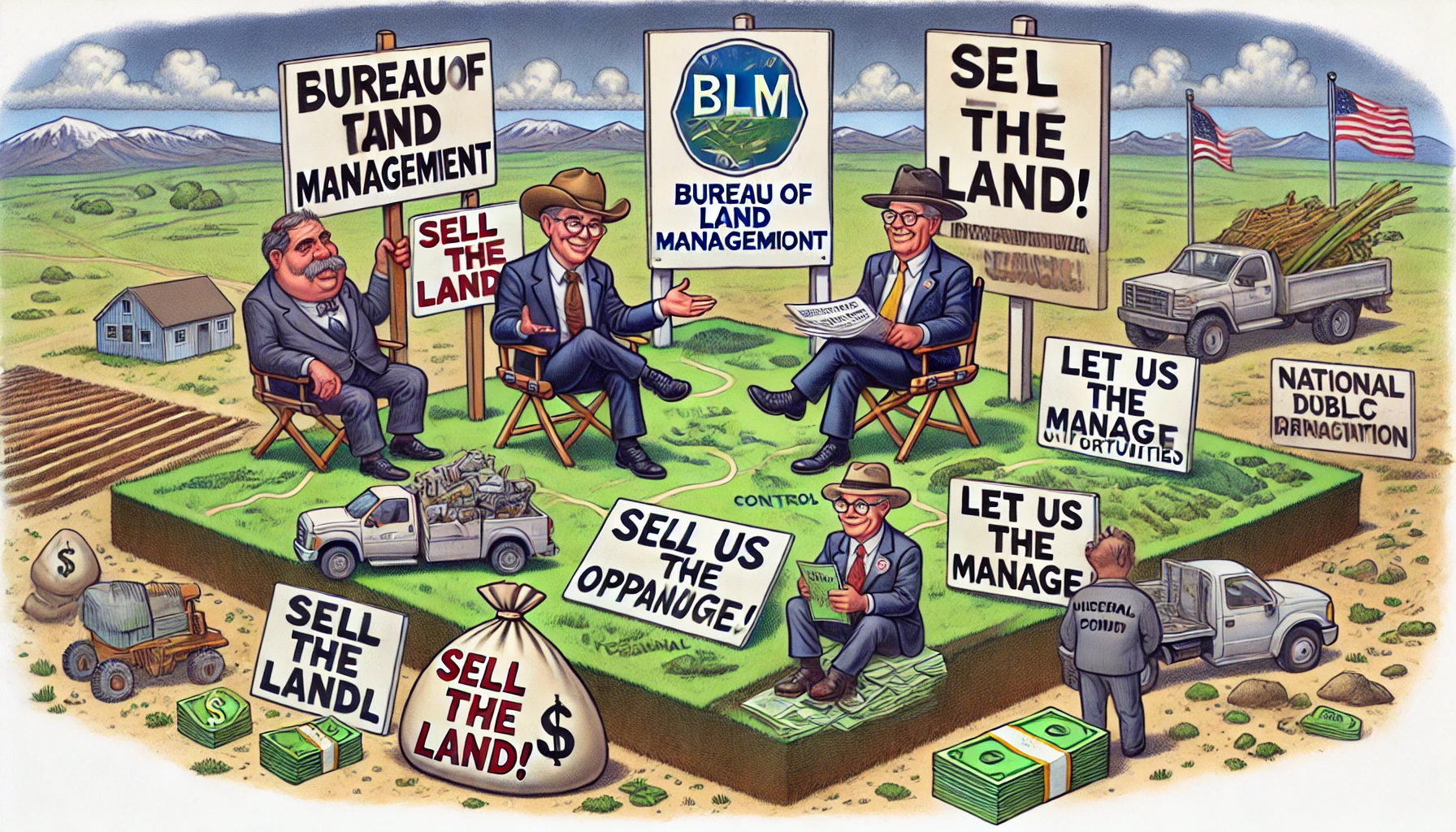
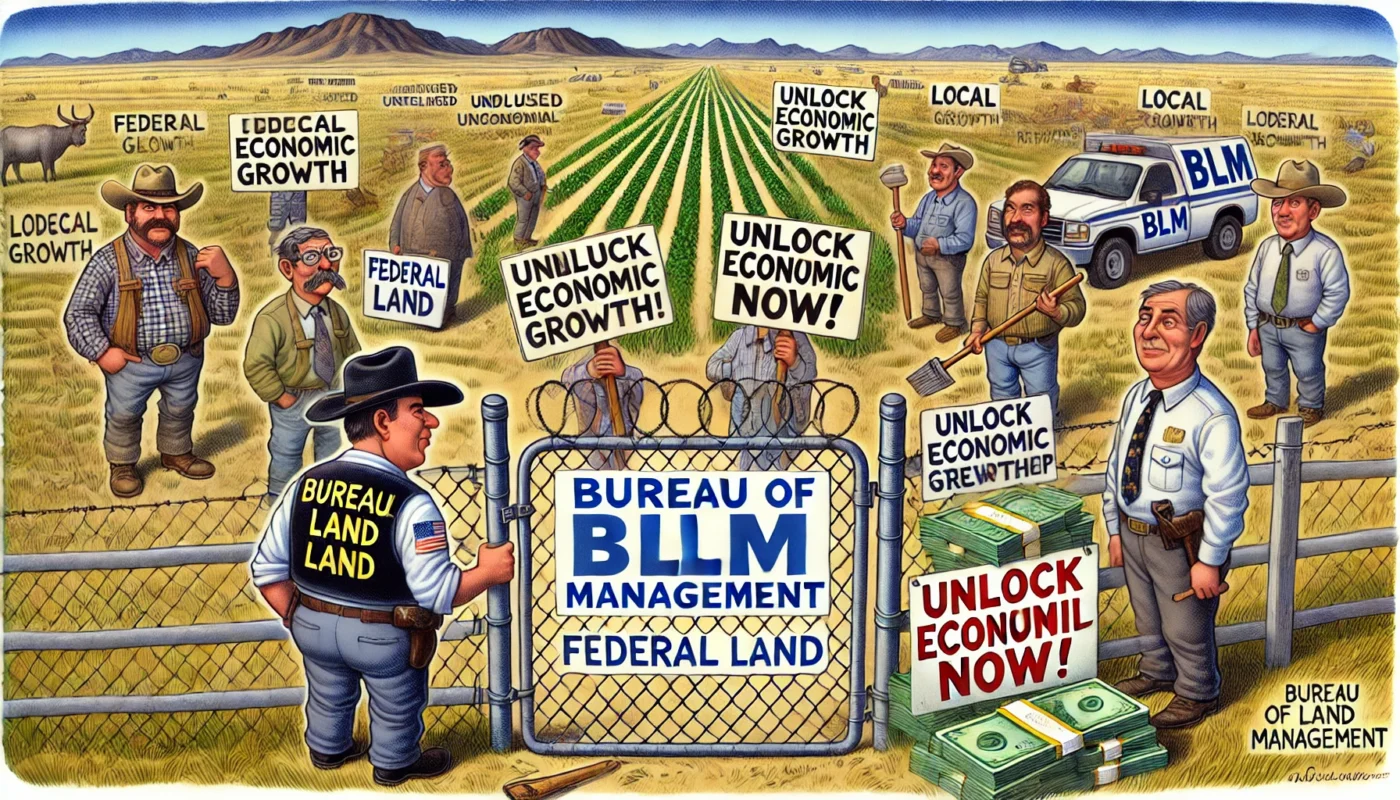
DOGE - A satirical depiction of the Bureau of Land Management (BLM), with bureaucrats sitting on a pile of public land maps labeled 'Federal Control,' while
DOGE – A satirical depiction of the Bureau of Land Management (BLM), with bureaucrats sitting on a pile of public land maps labeled ‘Federal Control,’ while

Phone number:

1-202-208-3801


Liquidating Land: Bureau of Land Management (BLM)

Here are a few arguments in favor of liquidating Bureau of Land Management (BLM) land and applying the proceeds to the national debt:


Economic Arguments

  1. Debt Reduction: Selling marketable BLM land provides an immediate influx of revenue that can be directly applied to reducing the national debt, relieving the burden on future generations.
  2. Stimulates Economic Growth: Privatized land encourages development, unlocking economic opportunities in housing, agriculture, industry, and tourism.
  3. Higher Productivity: Private owners are more likely to invest in land improvement, leading to better utilization of resources and higher economic returns.
  4. Increased Tax Revenue: Privately owned land contributes to local and state tax bases, generating ongoing revenue for public services.
  5. Job Creation: Development of BLM land by private entities would create jobs in construction, agriculture, energy, and recreation sectors.

Efficiency Arguments

  1. Reduces Bureaucratic Overhead: Selling land eliminates the need for federal management, reducing BLM’s administrative costs and inefficiencies.
  2. Faster Decision-Making: Private ownership ensures decisions about land use and development are made more quickly without bureaucratic delays.
  3. Eliminates Redundancy: States and private organizations can manage land more effectively than a sprawling federal agency with overlapping responsibilities.

Constitutional and Legal Arguments

  1. Restores Constitutional Intent: The federal government’s excessive land holdings exceed its original constitutional purpose. Selling land restores proper balance and reduces federal overreach.
  2. Empowers State and Local Governments: Decentralizing land management to states and local entities aligns with federalist principles, enhancing local control.
  3. Encourages Property Rights: Privatization aligns with the American tradition of private property ownership and its role in fostering economic freedom.

Environmental Arguments

  1. Improves Land Stewardship: Private owners and conservation groups often manage land more sustainably, avoiding overgrazing, mismanagement, and wildfire risks associated with federal oversight.
  2. Focuses Conservation Efforts: Selling non-essential land allows the government to concentrate its conservation efforts on critical habitats and national parks.
  3. Leverages Private Conservation: Non-profits and private entities can purchase land for environmental purposes, ensuring its protection without federal involvement.

National Security Arguments

  1. Reduces Foreign Dependence: Proceeds from land sales can be reinvested in defense or critical infrastructure, enhancing national security without raising taxes.
  2. Encourages Domestic Energy Production: Privatizing energy-rich lands can boost domestic production of oil, gas, and renewable energy, reducing reliance on foreign resources.

Social Arguments

  1. Promotes Local Autonomy: Selling BLM land empowers local communities to make decisions about land use that align with their specific needs and priorities.
  2. Reduces Federal Overreach: Liquidation diminishes the perception of federal dominance in the Western states, where BLM land holdings are most concentrated.
  3. Supports Indigenous Land Ownership: Certain parcels could be returned to Native American tribes, enhancing sovereignty and self-determination.

Fiscal Responsibility Arguments

  1. Addresses a Root Cause of Overspending: Selling land demonstrates fiscal discipline, showcasing the government’s commitment to addressing long-term debt challenges without raising taxes.

These arguments collectively highlight the economic, social, constitutional, and environmental benefits of reducing federal land holdings and applying the proceeds to the national debt.


Alan Nafzger

Alan Nafzger is a political scientist and editor whose work is distinguished by a libertarian populist perspective. He serves as the editor of farmercowboy.com and bohiney.com, platforms where his incisive commentary and satirical edge inform and challenge contemporary political discourse. Nafzger’s academic credentials include degrees from Midwestern State University, Texas State University (formerly Southwest Texas State), and University College Dublin, where he cultivated his deep commitment to individual liberty and limited government. Nafzger’s research and writing emphasize the empowerment of everyday people, advocating for principles that align with libertarian populism. As the chief satirist at bohiney.com, he uses humor and satire to expose political and social contradictions, while his work as a songwriter at farm.fm extends his influence into the cultural realm. Through his editorial leadership and creative endeavors, Nafzger plays a significant role in shaping modern political thought and inspiring discourse on liberty and governance.

View all posts by Alan Nafzger →

Leave a Reply

Your email address will not be published. Required fields are marked *