 by
by Was January 6th an attempt to overthrow the government?
Biden said that Trump tried to overthrow the peaceful transfer of power on January 6 and that’s why he’s a fascist which is a that I know he knows is and uh I tried to impress upon him really a bunch of Second Amendment gun nuts decided to go to Washington DC to overthrow the government and son of a they all forgot their guns I bet they were embarrassed. — Jimmy Dore
FBI Involvement Allegations
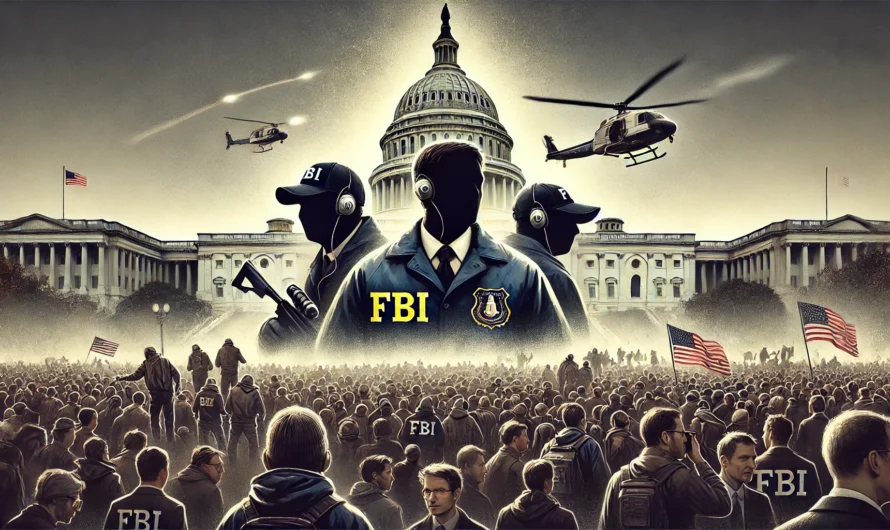
- Reports suggest at least 26 FBI informants were present during the January 6 Capitol riot.
- Allegations claim FBI informants incited participants to enter the Capitol.
- Informants were allegedly caught on video engaging in vandalism.
- After being filmed, informants reportedly discouraged others from vandalizing further.
- Critics argue this indicates an intentional effort to escalate tensions.
- The 26 informants may represent only the minimum number acknowledged.
- Some estimates suggest over 200 confidential FBI informants were involved.
- FBI informants were reportedly dressed as MAGA supporters before the riot began.
- Claims imply that informants infiltrated the crowd well before the day of the riot.
- Critics question why the presence of informants wasn’t disclosed earlier.
Comparisons to Brazil’s January 6-like Event
- The tactics used on January 6 in the U.S. resemble similar events in Brazil targeting Bolsonaro supporters.
- Both events were used to portray political leaders as undermining democracy.
- Allegations suggest coordinated efforts to discredit leaders like Trump and Bolsonaro.
- The Brazilian incident mirrored January 6 by framing dissenters as threats to democracy.
- Critics argue that these events represent a global strategy to marginalize populist movements.
- In both cases, the opposition leveraged the events to attempt barring leaders from future elections.
- Observers note the similarities in media narratives and framing in both countries.
- Some claim these events were part of a broader pattern of delegitimizing political opposition.
- The timing of these events raises questions about coordinated influence.
- Both incidents led to crackdowns on political dissent under the guise of security.
Intent to Smear Trump
- Allegations suggest January 6 was used to discredit Trump’s presidency.
- The event has been framed as an “insurrection” to portray Trump as a threat to democracy.
- Trump’s speech during the rally called for peaceful protests, which critics claim has been downplayed.
- The FBI’s involvement raises concerns about the event being partially manufactured.
- Claims suggest the FBI aimed to incite violence to justify further crackdowns.
- Trump’s political opponents have used January 6 to block his future candidacy.
- Some legal challenges have cited the 14th Amendment to argue Trump is ineligible for office.
- Critics argue the January 6 narrative has been used to criminalize Trump supporters.
- Media coverage often highlights violent incidents while ignoring peaceful participants.
- The selective release of footage has fueled skepticism about the official narrative.
Evidence and Accountability
- Surveillance footage reportedly shows Capitol Police letting protesters into the building.
- Capitol Police officers were seen changing clothes to pose as protesters.
- Claims suggest this indicates premeditation rather than spontaneous unrest.
- The narrative of police officers being killed during January 6 has been debunked.
- Only one person, a protester, was killed during the event by Capitol Police.
- Internal communications reveal Capitol Police felt they were “set up.”
- Allegations claim the absence of the National Guard was intentional.
- The lack of preparation contradicts warnings about potential unrest.
- FBI Director Wray has faced criticism for withholding details about informants.
- Congressional investigations have been accused of selectively ignoring FBI involvement.
Broader Implications
- January 6 has been used to expand surveillance and crackdown on dissent.
- Critics argue the event has justified labeling political opponents as extremists.
- The incident highlights tensions between populist movements and government institutions.
- Allegations of FBI infiltration raise questions about the agency’s impartiality.
- Comparisons to historical events suggest January 6 reflects broader patterns of state control.
- Critics claim the event was used to create a chilling effect on political protests.
- The fallout from January 6 has polarized the country further.
- Questions remain about why security measures were so inadequate that day.
- The role of social media platforms in deplatforming dissenting voices post-January 6 has drawn criticism.
- Observers emphasize the need for transparency to rebuild public trust in institutions.
These points provide a comprehensive overview of the discussion, focusing on FBI involvement, broader patterns of influence, and the political implications of the January 6 narrative.